

Antofagasta PLC
XMUN:FG1



Decide at what price you'd be comfortable buying and we'll help you stay ready.
|
A
|
Antofagasta PLC
XMUN:FG1
|
UK |
|
S
|
Sanlam Ltd
JSE:SLM
|
ZA |
|
V
|
Vinci SA
SWB:SQU
|
FR |
|
H
|
Honda Motor Co Ltd
SWB:HDM
|
JP |

|
Cemex SAB de CV
NYSE:CX
|
MX |

|
Steven Madden Ltd
NASDAQ:SHOO
|
US |

|
Sea Ltd
NYSE:SE
|
SG |
|
B
|
Bank of Communications Co Ltd
SWB:C4C
|
CN |
|
C
|
Coherent Corp
F:H7B
|
US |
|
Inventiva SA
F:6IVA
|
FR |

|
Saul Centers Inc
NYSE:BFS
|
US |
|
W
|
WuXi AppTec Co Ltd
HKEX:2359
|
CN |

|
Fujitsu Ltd
F:FUJ1
|
JP |
|
Credit Agricole SA
XETRA:XCA
|
FR |
Antofagasta PLC
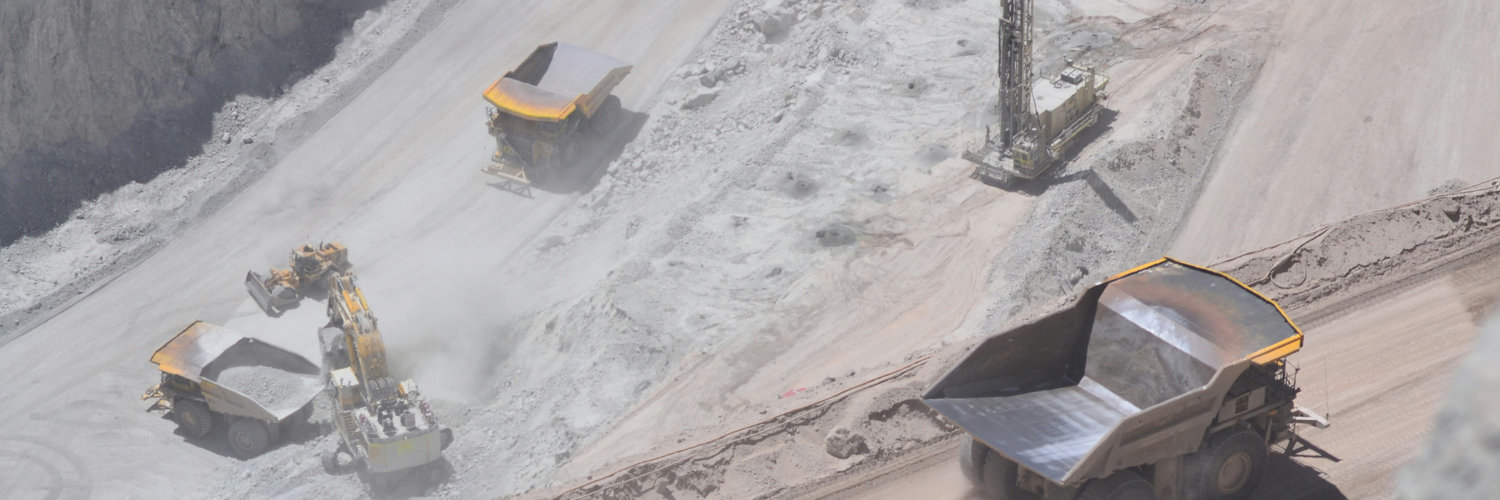
Antofagasta PLC is a Chile-focused mining company that mainly produces copper. It runs large open-pit mines and processing facilities in northern Chile, then sells copper concentrate and related by-products such as molybdenum to smelters, trading houses, and industrial metal buyers. Its business is tied to supplying the raw materials that go into wiring, power grids, and other heavy industry. The company makes most of its money by mining ore, concentrating the metal, and selling those concentrates under long-term and spot contracts. Copper is its core business, so the company’s results depend heavily on operating its mines efficiently, moving ore through its own processing systems, and shipping product out through ports and logistics links. Antofagasta also has a transport business in northern Chile, which gives it an extra source of revenue and connects it more closely to the mining regions it serves. That mix of mining and logistics makes the company different from pure miners: it is not just digging metal out of the ground, but also helping move minerals and freight across a difficult desert region.

Antofagasta PLC is a Chile-focused mining company that mainly produces copper. It runs large open-pit mines and processing facilities in northern Chile, then sells copper concentrate and related by-products such as molybdenum to smelters, trading houses, and industrial metal buyers. Its business is tied to supplying the raw materials that go into wiring, power grids, and other heavy industry.
The company makes most of its money by mining ore, concentrating the metal, and selling those concentrates under long-term and spot contracts. Copper is its core business, so the company’s results depend heavily on operating its mines efficiently, moving ore through its own processing systems, and shipping product out through ports and logistics links.
Antofagasta also has a transport business in northern Chile, which gives it an extra source of revenue and connects it more closely to the mining regions it serves. That mix of mining and logistics makes the company different from pure miners: it is not just digging metal out of the ground, but also helping move minerals and freight across a difficult desert region.
Strong first half: Antofagasta said EBITDA rose 27% to $2.84 billion and EBITDA margin reached 63%, supported by operational discipline and favorable pricing.
Storm impact: Full-year copper production guidance was cut to 625,000 tonnes to 655,000 tonnes after severe weather hit Pelambres, but management said the setback was handled safely and in an orderly way.
Cost control: Net cash cost fell 8% even with higher diesel and sulfuric acid costs, and full-year net cash cost guidance stayed unchanged at $1.15 to $1.35 per pound.
Projects on track: Management reiterated that Centinela’s second concentrator remains on schedule for commissioning in 2027, with ramp-up in 2028, and said peak project capital spend is now behind the group.
Capital returns: The company declared an interim dividend of $0.301 per share, described as about 80% to 81% higher than last year and consistent with its 35% minimum payout policy.