

Yamaha Motor Co Ltd
XMUN:YMA



Decide at what price you'd be comfortable buying and we'll help you stay ready.
|
Y
|
Yamaha Motor Co Ltd
XMUN:YMA
|
JP |
|
W
|
WuXi AppTec Co Ltd
SWB:WX8
|
CN |
|
C
|
Cencora Inc
DUS:ABG
|
US |

|
Capitaland Investment Ltd
F:5NU
|
SG |
|
D
|
DICK'S Sporting Goods Inc
SWB:DSG
|
US |

|
Yamaha Motor Co Ltd
OTC:YMHAY
|
JP |
|
H
|
Henkel AG & Co KGaA
DUS:HEN
|
DE |

|
Ringkjoebing Landbobank A/S
LSE:0RPR
|
DK |
|
I
|
International Flavors & Fragrances Inc
LSE:0RF3
|
US |
|
E
|
Element Solutions Inc
SWB:PLQ
|
US |
|
P
|
Ping An Insurance Group Co of China Ltd
OTC:PIAIF
|
CN |
|
P
|
Parker-Hannifin Corp
SWB:PAR
|
US |
|
T
|
Travelers Companies Inc
BMV:TRV
|
US |

|
Prudential PLC
LSE:PRU
|
UK |
Yamaha Motor Co Ltd
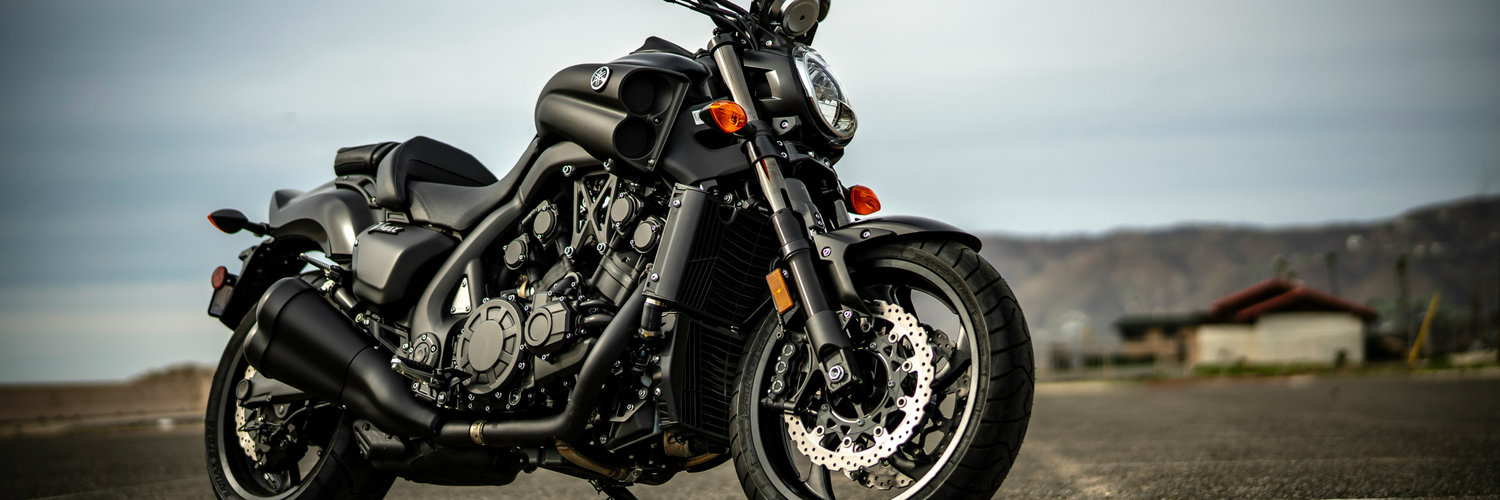
Yamaha Motor makes motorcycles, scooters, off-road vehicles, outboard motors, boats, and other power products. It also sells parts, accessories, and related service items. The company is best known for finished vehicles and marine equipment rather than raw materials or simple components. Its main customers are individual riders, recreational boat owners, and commercial or institutional buyers that need marine engines, utility vehicles, or small engines. Yamaha Motor typically earns money when it sells these products through dealers, distributors, and direct business channels, and it also benefits from ongoing parts and maintenance demand after the initial sale. What makes the business model distinct is that it sits close to the end user: it designs, manufactures, and brands products that people actually ride or use. That gives it more control over product features, performance, and customer experience than a parts supplier would have, while also tying its fortunes to consumer mobility, recreation, and marine activity.

Yamaha Motor makes motorcycles, scooters, off-road vehicles, outboard motors, boats, and other power products. It also sells parts, accessories, and related service items. The company is best known for finished vehicles and marine equipment rather than raw materials or simple components.
Its main customers are individual riders, recreational boat owners, and commercial or institutional buyers that need marine engines, utility vehicles, or small engines. Yamaha Motor typically earns money when it sells these products through dealers, distributors, and direct business channels, and it also benefits from ongoing parts and maintenance demand after the initial sale.
What makes the business model distinct is that it sits close to the end user: it designs, manufactures, and brands products that people actually ride or use. That gives it more control over product features, performance, and customer experience than a parts supplier would have, while also tying its fortunes to consumer mobility, recreation, and marine activity.
Revenue: Yamaha Motor said first-quarter revenue rose to JPY 730.1 billion, up 117% from a year ago, driven mainly by stronger motorcycle sales.
Profit: Operating income increased to JPY 62.6 billion, with the margin improving to 8.6% as higher sales, expense control, and a favorable yen more than offset tariff pressure.
Tariffs: U.S. tariffs still hurt Marine and other businesses, but management said the impact should ease going forward because reciprocal tariffs were ruled unconstitutional and some products were exempted from steel and aluminum tariffs.
Outlook: Despite higher raw material costs and a still-uncertain environment, the company kept its full-year plan unchanged.
Segments: Motorcycle, Robotics, and Financial Services all grew revenue and profit, while Marine posted higher revenue but lower profit because of tariffs.
Reform: Yamaha said its U.S. structural reforms are moving ahead faster than planned to improve profitability.
