

Westlake Corp
XMUN:UEO



Decide at what price you'd be comfortable buying and we'll help you stay ready.
|
W
|
Westlake Corp
XMUN:UEO
|
US |
|
A
|
Axon Enterprise Inc
SWB:TCS
|
US |
|
Public Storage
NYSE:PSA
|
US |
|
B
|
Bank of America Corp
SGO:BAC
|
US |
|
P
|
Pirelli & C SpA
SWB:2PI
|
IT |

|
Wal Mart de Mexico SAB de CV
BMV:WALMEX
|
MX |
|
W
|
Waystar Holding Corp
NASDAQ:WAY
|
US |
|
A
|
Assicurazioni Generali SpA
SWB:ASG
|
IT |

|
ACS Actividades de Construccion y Servicios SA
MAD:ACS
|
ES |

|
Sun Hung Kai Properties Ltd
HKEX:16
|
HK |
|
N
|
Naspers Ltd
XMUN:NNWN
|
ZA |
Westlake Corp
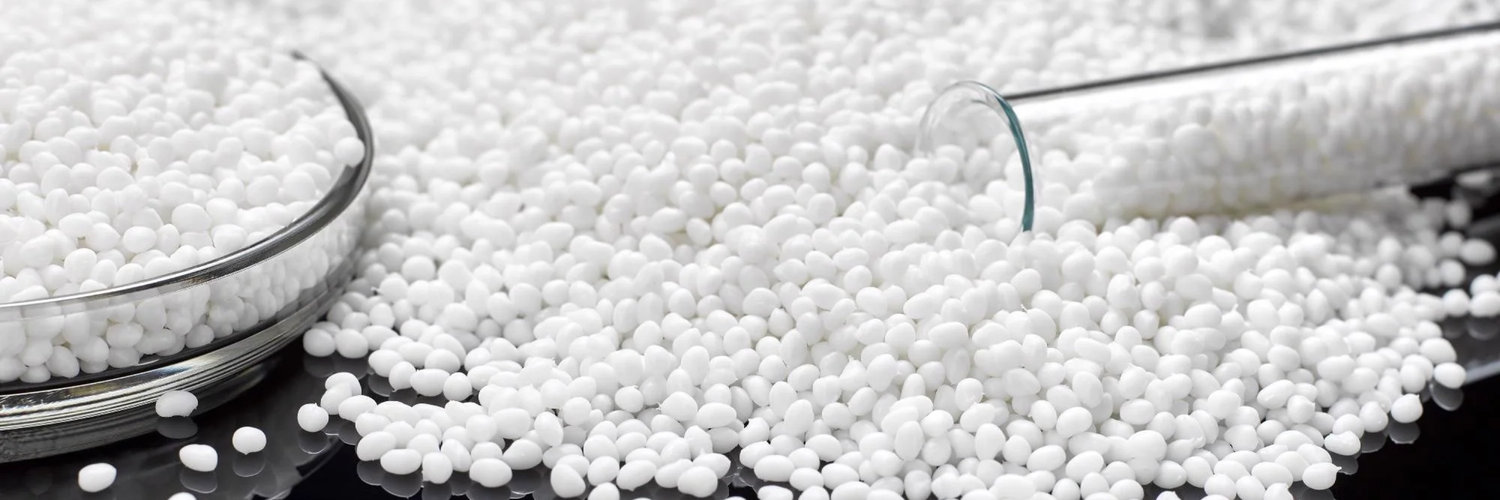
Westlake Corp makes basic materials that end up in everyday products and buildings. Its biggest businesses are chemicals and building products. In chemicals, it produces things like vinyls and polyethylene that other companies turn into pipes, packaging, wire insulation, and many industrial goods. In building products, it sells items such as PVC pipe, fittings, siding, decking, trim, and related materials used in construction and repair. Its customers are mainly other manufacturers, distributors, contractors, and builders rather than everyday shoppers. Westlake sells through long supply chains, so its materials are often one step removed from the final product. It makes money by selling large volumes of commodity and semi-commodity products that are tied to construction, housing, infrastructure, and industrial demand. What makes Westlake's business model different is that it sits in both the chemical and building-materials parts of the value chain. That gives it exposure to raw-material production as well as finished products used on job sites. The company is less about branded consumer goods and more about supplying the materials that other businesses need to make, build, and distribute their own products.

Westlake Corp makes basic materials that end up in everyday products and buildings. Its biggest businesses are chemicals and building products. In chemicals, it produces things like vinyls and polyethylene that other companies turn into pipes, packaging, wire insulation, and many industrial goods. In building products, it sells items such as PVC pipe, fittings, siding, decking, trim, and related materials used in construction and repair.
Its customers are mainly other manufacturers, distributors, contractors, and builders rather than everyday shoppers. Westlake sells through long supply chains, so its materials are often one step removed from the final product. It makes money by selling large volumes of commodity and semi-commodity products that are tied to construction, housing, infrastructure, and industrial demand.
What makes Westlake's business model different is that it sits in both the chemical and building-materials parts of the value chain. That gives it exposure to raw-material production as well as finished products used on job sites. The company is less about branded consumer goods and more about supplying the materials that other businesses need to make, build, and distribute their own products.
Results: Westlake reported $2.7 billion of net sales and $235 million of EBITDA, but the company still posted a net loss of $100 million, or $0.77 per share, after identified items.
Middle East shock: Management said the conflict in the Middle East sharply tightened global polyethylene and PVC supply, pushed up feedstock costs, and improved Westlake’s pricing and margins late in the quarter.
HIP pressure: The Housing and Infrastructure Products business was hurt by cold weather and a slow start to the homebuilding season, and full-year HIP revenue and margin guidance moved toward the low end of the prior range.
Cost actions: Westlake said its 3-pillar profitability plan added about $150 million of EBITDA in the quarter and it still expects the full $600 million benefit in 2026.
Near-term upside: Management expects pricing and volume momentum to carry into the second quarter, though HIP could face a short lag as higher PVC and transportation costs work through the channel.
Balance sheet: The company ended the quarter with $2.5 billion of cash and investments and $5.6 billion of debt, while also moving ahead with potential acquisitions and a debt call.
