
Tyson Foods Inc
XMUN:TF7A



Decide at what price you'd be comfortable buying and we'll help you stay ready.
|
T
|
Tyson Foods Inc
XMUN:TF7A
|
US |
|
M
|
MS&AD Insurance Group Holdings Inc
DUS:59M
|
JP |

|
Triple Flag Precious Metals Corp
TSX:TFPM
|
CA |

|
Equinor ASA
OSE:EQNR
|
NO |
|
K
|
Kinross Gold Corp
NYSE:KGC
|
CA |
|
M
|
Masco Corp
XBER:MSQ
|
US |
Tyson Foods Inc
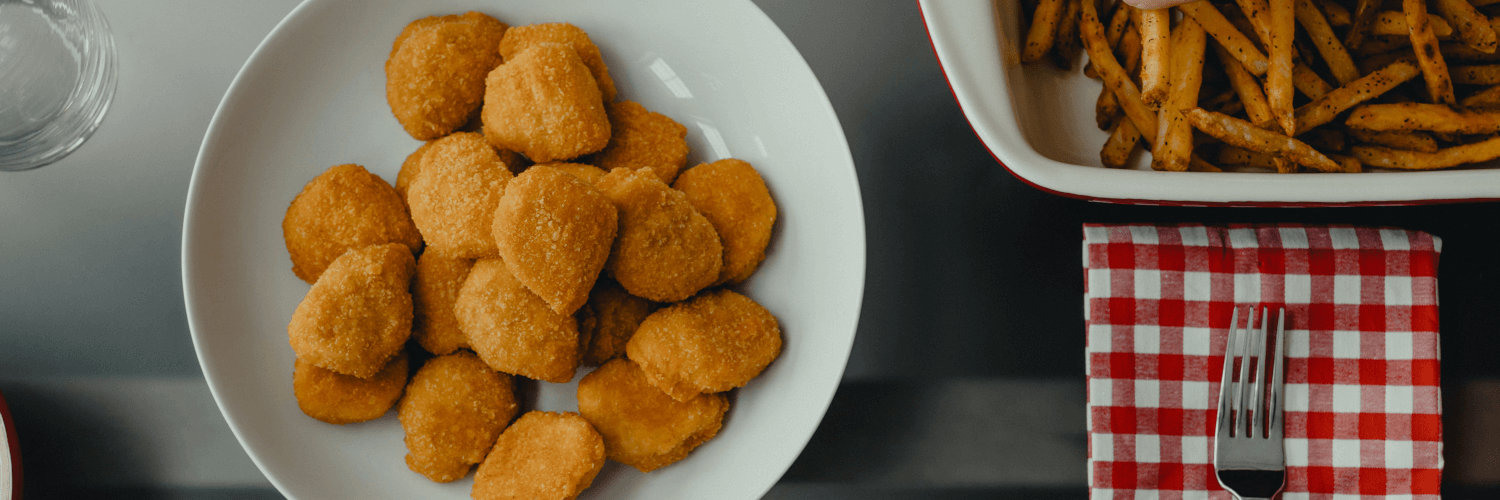
Tyson Foods is one of the biggest meat and prepared-food companies in the United States. It raises, processes, packages, and sells chicken, beef, and pork, along with frozen and refrigerated foods such as nuggets, patties, sausages, sandwiches, and meal ingredients. It sells under its own brands and also makes products for other food companies and store brands. Its main customers are grocery chains, restaurants, fast-food and casual-dining operators, food distributors, and large institutions such as schools and hospitals. Tyson makes money by turning live animals and raw meat into finished products that are easier to cook, store, and sell. That gives it a place in the middle of the food supply chain, where scale, logistics, food safety, and efficient processing matter a lot. What makes Tyson’s business model different is that it is not just a packer of meat; it is a large processor that can supply both commodity meat and branded convenience foods. That mix helps it serve customers who want low-cost bulk protein as well as shoppers who want ready-to-eat or easy-to-cook meals. Its earnings depend on balancing feed, livestock, processing, and distribution costs against the prices customers are willing to pay for meat and prepared food.
Tyson Foods is one of the biggest meat and prepared-food companies in the United States. It raises, processes, packages, and sells chicken, beef, and pork, along with frozen and refrigerated foods such as nuggets, patties, sausages, sandwiches, and meal ingredients. It sells under its own brands and also makes products for other food companies and store brands.
Its main customers are grocery chains, restaurants, fast-food and casual-dining operators, food distributors, and large institutions such as schools and hospitals. Tyson makes money by turning live animals and raw meat into finished products that are easier to cook, store, and sell. That gives it a place in the middle of the food supply chain, where scale, logistics, food safety, and efficient processing matter a lot.
What makes Tyson’s business model different is that it is not just a packer of meat; it is a large processor that can supply both commodity meat and branded convenience foods. That mix helps it serve customers who want low-cost bulk protein as well as shoppers who want ready-to-eat or easy-to-cook meals. Its earnings depend on balancing feed, livestock, processing, and distribution costs against the prices customers are willing to pay for meat and prepared food.
Top line: Tyson said second-quarter sales rose 4.4% to $13.7 billion and adjusted operating income was $497 million, while adjusted EPS came in at $0.87, down 5% from last year.
Guidance up: Management raised full-year adjusted operating income guidance to $2.2 billion to $2.4 billion, citing better year-to-date performance and confidence in the business.
Chicken strength: Chicken was the standout again, with segment operating income of $523 million and a 12.2% margin; management said the improvement is driven by execution, mix, customer partnerships and genetics, not by one-time gains.
Prepared Foods momentum: Prepared Foods posted segment operating income of $352 million, a 14% margin, and share gains across volume, dollars and units, with management saying the brand and innovation pipeline are working.
Beef still pressured: Beef remained weak because of tight cattle supplies, but Tyson said the second half should be better than the first as plant-footprint changes and higher utilization start to help.
Cash and balance sheet: Tyson generated $432 million of free cash flow in the first half, ended with $3.7 billion of liquidity and net leverage of 2.2x, and continued returning cash to shareholders.
