

Southwest Airlines Co
XMUN:SWN



Decide at what price you'd be comfortable buying and we'll help you stay ready.
|
S
|
Southwest Airlines Co
XMUN:SWN
|
US |

|
Takasago Thermal Engineering Co Ltd
F:Q74
|
JP |
|
E
|
Eastman Chemical Co
LSE:0IF3
|
US |
|
B
|
Basf Se
BET:BASF
|
DE |
|
A
|
AGNC Investment Corp
SWB:4OQ1
|
US |
|
C
|
CrowdStrike Holdings Inc
LSE:0A3N
|
US |

|
TD Synnex Corp
NYSE:SNX
|
US |
Southwest Airlines Co
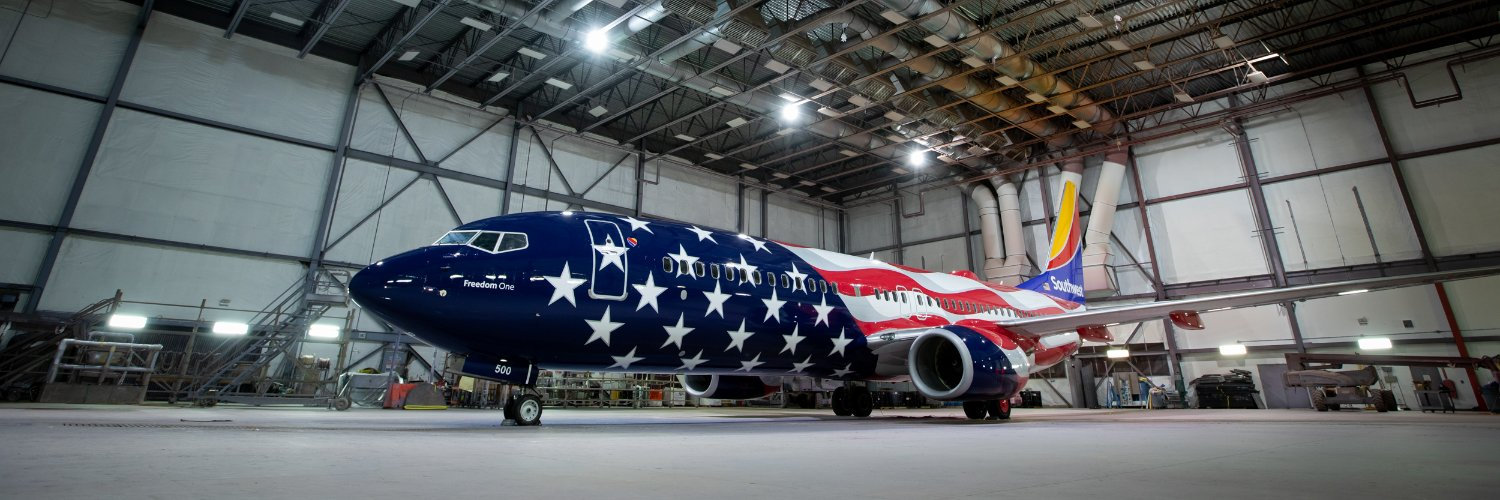
Southwest Airlines is a U.S. airline that carries passengers and their checked bags on domestic and some international routes. It sells airline seats directly to travelers through its website, app, call centers, and travel partners, and it also sells related services such as seat upgrades, baggage fees, and credit card and loyalty program partnerships. Its main customers are leisure travelers, families, and business travelers who want point-to-point flights without the hub-and-spoke model used by many larger airlines. Southwest is known for a simple service model: one aircraft type, open seating, and a large focus on quick turnarounds and frequent flights between major U.S. city pairs. The company makes money mostly from passenger fares, then adds revenue from extras and partner deals. Its business role in the industry is different because it tries to keep its operation simple and efficient, which helps it offer a low-friction travel experience and avoid some of the complexity that comes with running many aircraft types, assigned seating, and large connecting hubs.

Southwest Airlines is a U.S. airline that carries passengers and their checked bags on domestic and some international routes. It sells airline seats directly to travelers through its website, app, call centers, and travel partners, and it also sells related services such as seat upgrades, baggage fees, and credit card and loyalty program partnerships.
Its main customers are leisure travelers, families, and business travelers who want point-to-point flights without the hub-and-spoke model used by many larger airlines. Southwest is known for a simple service model: one aircraft type, open seating, and a large focus on quick turnarounds and frequent flights between major U.S. city pairs.
The company makes money mostly from passenger fares, then adds revenue from extras and partner deals. Its business role in the industry is different because it tries to keep its operation simple and efficient, which helps it offer a low-friction travel experience and avoid some of the complexity that comes with running many aircraft types, assigned seating, and large connecting hubs.
Bottom line: Southwest said its full set of transformation initiatives is now in place and is driving stronger demand, better pricing, and meaningful margin expansion.
Q1 results: First-quarter EPS was $0.45, in line with guidance, while operating margin rose to 4.6% and operating cash flow reached $1.4 billion.
Revenue strength: Q1 RASM increased 11.2% and came in well above the company’s at-least 9.5% guide, with first-quarter operating revenue hitting a record $7.2 billion.
Outlook: Southwest kept its full-year adjusted EPS guide at $4 but said it would not update the guidance now because fuel prices are highly volatile; second-quarter EPS is expected to be $0.35 to $0.65.
Cost control: Q1 CASM-X rose only 2.3%, below the 3.5% guide, and management said the cost improvement is structural rather than temporary.
Network actions: The airline is cutting weaker flying, including suspending operations at Chicago O'Hare and Washington Dulles, and now expects full-year capacity growth of about 2%.
