

Pultegroup Inc
XMUN:PU7



Decide at what price you'd be comfortable buying and we'll help you stay ready.
|
P
|
Pultegroup Inc
XMUN:PU7
|
US |
|
A
|
Advanced Micro Devices Inc
XHAM:AMD
|
US |

|
RWE AG
XETRA:RWE
|
DE |

|
Castle Biosciences Inc
NASDAQ:CSTL
|
US |
|
N
|
Northrop Grumman Corp
DUS:NTH
|
US |

|
Robinhood Markets Inc
BMV:HOOD
|
US |

|
CTS Corp
F:XT1
|
US |

|
Zotefoams PLC
OTC:ZTFMF
|
UK |
|
A
|
Atoss Software AG
DUS:AOF
|
DE |

|
Entera Bio Ltd
NASDAQ:ENTX
|
IL |
|
P
|
Paychex Inc
DUS:PCX
|
US |
|
J
|
JD.com Inc
XMUN:013C
|
CN |

|
Barratt Redrow PLC
OTC:BTDPY
|
UK |

|
JPMorgan Chase & Co
XETRA:CMC
|
US |
|
K
|
Kuala Lumpur Kepong Bhd
KLSE:KLK
|
MY |

|
AXA SA
MIL:1CS
|
FR |
|
G
|
General Motors Co
XETRA:8GM
|
US |
|
I
|
Illinois Tool Works Inc
LSE:0J8W
|
US |
|
A
|
AMETEK Inc
XMUN:AK1
|
US |
|
M
|
Mondelez International Inc
XETRA:KTF
|
US |
Pultegroup Inc
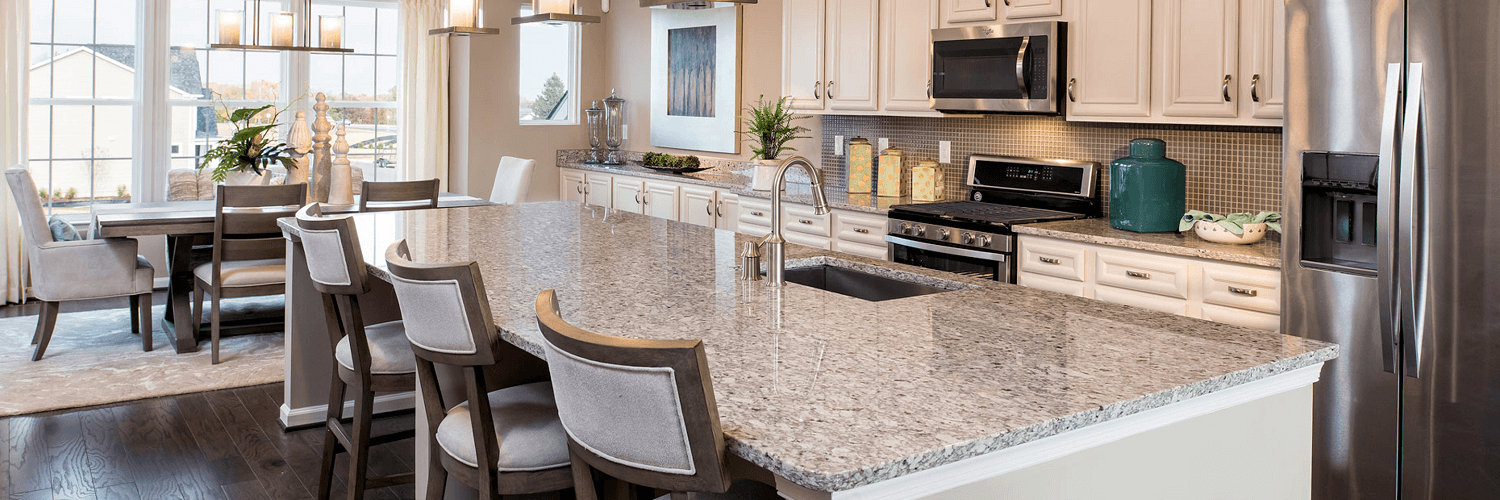
PulteGroup is one of the largest homebuilders in the United States. It buys land, develops neighborhoods, and builds houses for sale under brands such as Pulte Homes, Centex, Del Webb, DiVosta, and John Wieland Homes. The company mainly sells newly built single-family homes, along with townhomes and some active-adult communities for buyers at different life stages and price points. Its customers are mostly individual homebuyers, including first-time buyers, move-up buyers, families looking for larger homes, and older buyers who want low-maintenance communities. PulteGroup makes money by selling completed homes and, in some cases, by selling land or lots it no longer needs. It also earns from related services tied to the home purchase process, such as mortgage financing and title services in certain markets. What makes PulteGroup’s business different is that it sits at the center of the homebuilding value chain: it turns raw land into finished neighborhoods and homes, then sells directly to consumers. That means the company has to manage land acquisition, zoning, construction, and customer sales all together. Its business tends to move with housing demand, mortgage rates, and the supply of buildable land, which makes it a cyclical but very concrete real-estate business.

PulteGroup is one of the largest homebuilders in the United States. It buys land, develops neighborhoods, and builds houses for sale under brands such as Pulte Homes, Centex, Del Webb, DiVosta, and John Wieland Homes. The company mainly sells newly built single-family homes, along with townhomes and some active-adult communities for buyers at different life stages and price points.
Its customers are mostly individual homebuyers, including first-time buyers, move-up buyers, families looking for larger homes, and older buyers who want low-maintenance communities. PulteGroup makes money by selling completed homes and, in some cases, by selling land or lots it no longer needs. It also earns from related services tied to the home purchase process, such as mortgage financing and title services in certain markets.
What makes PulteGroup’s business different is that it sits at the center of the homebuilding value chain: it turns raw land into finished neighborhoods and homes, then sells directly to consumers. That means the company has to manage land acquisition, zoning, construction, and customer sales all together. Its business tends to move with housing demand, mortgage rates, and the supply of buildable land, which makes it a cyclical but very concrete real-estate business.
Orders improved: Net new orders rose 6% year over year to 7,536 homes, with gains across all three buyer groups and particularly strong growth in Florida.
Margins held up: Homebuilding gross margin was 25% in the quarter, helped by lower incentives, a better mix of closings, and lower build costs.
Inventory discipline: Pulte kept cutting spec inventory, ending the quarter at 1.3 finished specs per community and saying that level is about right.
Outlook reaffirmed: Management kept full-year 2026 closings guidance at 28,500 to 29,000 and gross margin guidance at 24.5% to 25.0%.
Demand mixed but stable: Management said demand showed early signs of stabilization in most regions, while the West remained the softest market.
Strategy unchanged: The company reiterated its push toward a 60% build-to-order / 40% spec mix and said it expects to reach that target sometime next year.