

PPG Industries Inc
XMUN:PPQ



Decide at what price you'd be comfortable buying and we'll help you stay ready.
|
P
|
PPG Industries Inc
XMUN:PPQ
|
US |
|
T
|
Thales SA
SWB:CSF
|
FR |
|
D
|
Deckers Outdoor Corp
F:DO2
|
US |

|
British American Tobacco plc
LSE:BATS
|
UK |

|
Loomis AB
F:K900
|
SE |
|
F
|
Fluor Corp
SWB:FLU
|
US |
|
C
|
Citizens Financial Group Inc
F:1C5
|
US |
|
S
|
State Bank of India
OTC:SBKFF
|
IN |
|
S
|
Spotify Technology SA
F:639
|
LU |

|
America Movil SAB de CV
OTC:AMXOF
|
MX |
|
B
|
Becton Dickinson and Co
F:BOX
|
US |
|
U
|
Under Armour Inc
LSE:0R2I
|
US |
|
C
|
Costco Wholesale Corp
DUS:CTO
|
US |
|
N
|
Novartis AG
DUS:NOT
|
CH |
|
T
|
Teck Resources Ltd
SWB:TEKB
|
CA |
|
B
|
BNP Paribas SA
F:BNP
|
FR |
PPG Industries Inc
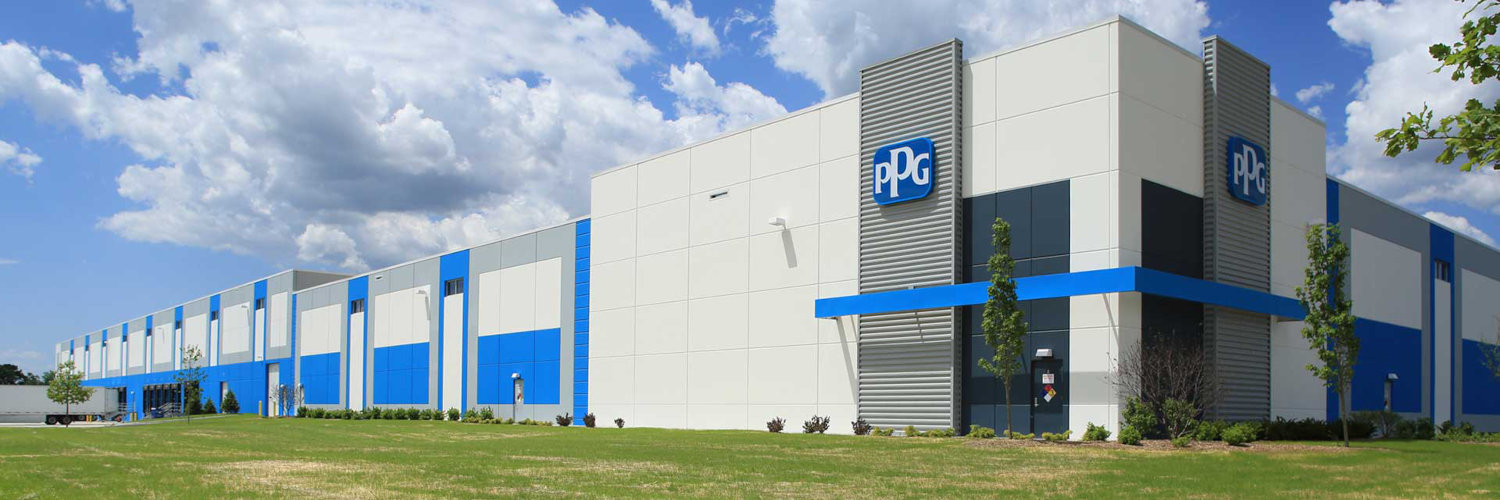
PPG Industries makes paints, coatings, and specialty materials that protect surfaces and improve appearance. Its products go on cars, aircraft, buildings, industrial equipment, packaging, and consumer goods. The company sells to a mix of manufacturers, contractors, distributors, and do-it-yourself customers through direct sales and retail channels. PPG makes money by formulating, manufacturing, and selling these materials to customers that need coatings for protection, durability, color, and performance. A large part of its business serves industrial customers that buy coatings as part of their own production process, while another part serves home improvement and decorative paint markets. Because many of its products are tied to replacement, maintenance, and production needs, demand is spread across different end markets rather than depending on one type of customer. What makes PPG’s business distinct is that it sits in the middle of the value chain: its products are often the final protective layer on a finished item, not the main item itself. That gives the company long-term relationships with manufacturers who care about performance, compliance, and consistency. In plain terms, PPG sells the coatings that help things look better, last longer, and work in tougher conditions.

PPG Industries makes paints, coatings, and specialty materials that protect surfaces and improve appearance. Its products go on cars, aircraft, buildings, industrial equipment, packaging, and consumer goods. The company sells to a mix of manufacturers, contractors, distributors, and do-it-yourself customers through direct sales and retail channels.
PPG makes money by formulating, manufacturing, and selling these materials to customers that need coatings for protection, durability, color, and performance. A large part of its business serves industrial customers that buy coatings as part of their own production process, while another part serves home improvement and decorative paint markets. Because many of its products are tied to replacement, maintenance, and production needs, demand is spread across different end markets rather than depending on one type of customer.
What makes PPG’s business distinct is that it sits in the middle of the value chain: its products are often the final protective layer on a finished item, not the main item itself. That gives the company long-term relationships with manufacturers who care about performance, compliance, and consistency. In plain terms, PPG sells the coatings that help things look better, last longer, and work in tougher conditions.
Revenue and earnings: PPG said second-quarter net sales were $4.5 billion, up 7% year over year, while adjusted EPS of $2.23 was slightly higher than last year.
Organic growth streak: The company posted its sixth straight quarter of organic sales growth, up 4%, with growth in all 3 segments and 8 of 9 businesses.
Pricing and inflation: Management said pricing covered about 90% of cost of goods sold inflation in the quarter and expects to reach 100% coverage by the fourth quarter.
Outlook: PPG reaffirmed full-year adjusted EPS guidance of $7.70 to $8.10 and expects third-quarter organic sales growth of low single-digit to mid-single-digit percentage.
Refinish recovery: The biggest drag in Performance Coatings was Automotive Refinish, which management said should return to growth in the second half as U.S. destocking is now behind them.
Share gains: Management repeatedly said growth is being driven by share gains in aerospace, packaging, industrial coatings, auto OEM, and several regional architectural markets.
Capital deployment: The company ended the quarter with $1.6 billion of cash and short-term investments, bought back $75 million of stock, and said it has no large M&A pipeline right now.