

MGM Resorts International
XMUN:MGG



Decide at what price you'd be comfortable buying and we'll help you stay ready.
|
M
|
MGM Resorts International
XMUN:MGG
|
US |
|
M
|
McDonald's Corp
XHAM:MDO
|
US |

|
Kawasaki Heavy Industries Ltd
F:KHE
|
JP |
|
D
|
Daikin Industries Ltd
OTC:DKILF
|
JP |
|
A
|
Adyen NV
OTC:ADYYF
|
NL |
|
W
|
WEX Inc
SWB:WL9
|
US |
|
B
|
Barrick Gold Corp
DUS:ABR
|
CA |

|
Ranpak Holdings Corp
F:0ZA
|
US |
|
A
|
American Superconductor Corp
F:AMS1
|
US |
|
L
|
Lamar Advertising Co
SWB:6LA
|
US |
MGM Resorts International
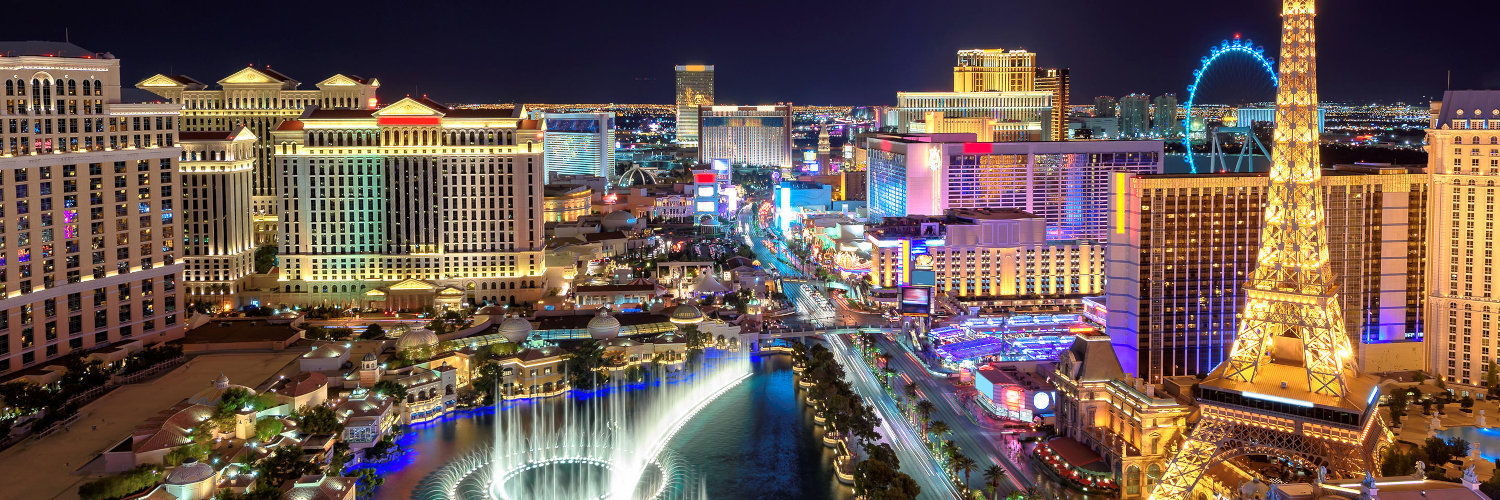
MGM Resorts International owns and runs large casino resorts, hotels, restaurants, bars, theaters, and meeting spaces. Its properties are built around gaming, but a big part of the business also comes from room bookings, food and drink, live entertainment, and event space. The company mainly serves leisure travelers, gamblers, convention guests, and tourists who want an all-in-one destination experience. The company makes money from casino play, hotel stays, resort fees, dining, entertainment, and rented space for meetings and events. It also earns from licensing certain brand names and from digital gaming and sports betting businesses in some markets. That mix helps MGM earn from both visitors who stay on site and customers who use its brands or platforms remotely. What makes MGM’s business model different is that it combines hospitality and gaming in the same location. Instead of selling one product, it sells a full resort experience that can keep guests on property and spend across several parts of the resort. In the gaming industry, that makes MGM both a landlord and an entertainment operator, with strong ties to travel and large public venues.

MGM Resorts International owns and runs large casino resorts, hotels, restaurants, bars, theaters, and meeting spaces. Its properties are built around gaming, but a big part of the business also comes from room bookings, food and drink, live entertainment, and event space. The company mainly serves leisure travelers, gamblers, convention guests, and tourists who want an all-in-one destination experience.
The company makes money from casino play, hotel stays, resort fees, dining, entertainment, and rented space for meetings and events. It also earns from licensing certain brand names and from digital gaming and sports betting businesses in some markets. That mix helps MGM earn from both visitors who stay on site and customers who use its brands or platforms remotely.
What makes MGM’s business model different is that it combines hospitality and gaming in the same location. Instead of selling one product, it sells a full resort experience that can keep guests on property and spend across several parts of the resort. In the gaming industry, that makes MGM both a landlord and an entertainment operator, with strong ties to travel and large public venues.
Growth: MGM said consolidated first-quarter revenue grew more than 4%, helped by strength in digital and China, while Las Vegas returned to year-over-year revenue growth for the first time in over a year.
Las Vegas: The company saw strong group and convention demand, record first-quarter convention ADR and catering/banquet revenue, and expects that momentum to continue into the second quarter.
Outlook: Management stayed optimistic about full-year growth in Las Vegas, but said lower-end leisure demand is still softer midweek and the overall environment remains volatile.
Macau: MGM China revenue rose 9%, share improved to 17.3% in March and stayed there into April, and management said margins remain sustainable despite the new brand fee.
Digital: BetMGM North America grew revenue 6% and adjusted EBITDA 11%, while MGM Digital revenue rose 43% and the business continues to move toward profitability.
Capital: MGM bought back about 2.5 million shares for $90 million, closed the Northfield Park sale, and said that gives it more flexibility to redeploy capital.
