
Lundin Mining Corp
XMUN:GXD



Decide at what price you'd be comfortable buying and we'll help you stay ready.
|
L
|
Lundin Mining Corp
XMUN:GXD
|
CA |
|
M
|
Mitsubishi Chemical Holdings Corp
OTC:MTLHF
|
JP |

|
MiniMax Group Inc
HKEX:100
|
CN |

|
Industrivarden AB
OTC:IDDTF
|
SE |
|
Dynex Capital Inc
NYSE:DX
|
US |
|
G
|
Getlink SE
LSE:0P72
|
FR |
Lundin Mining Corp
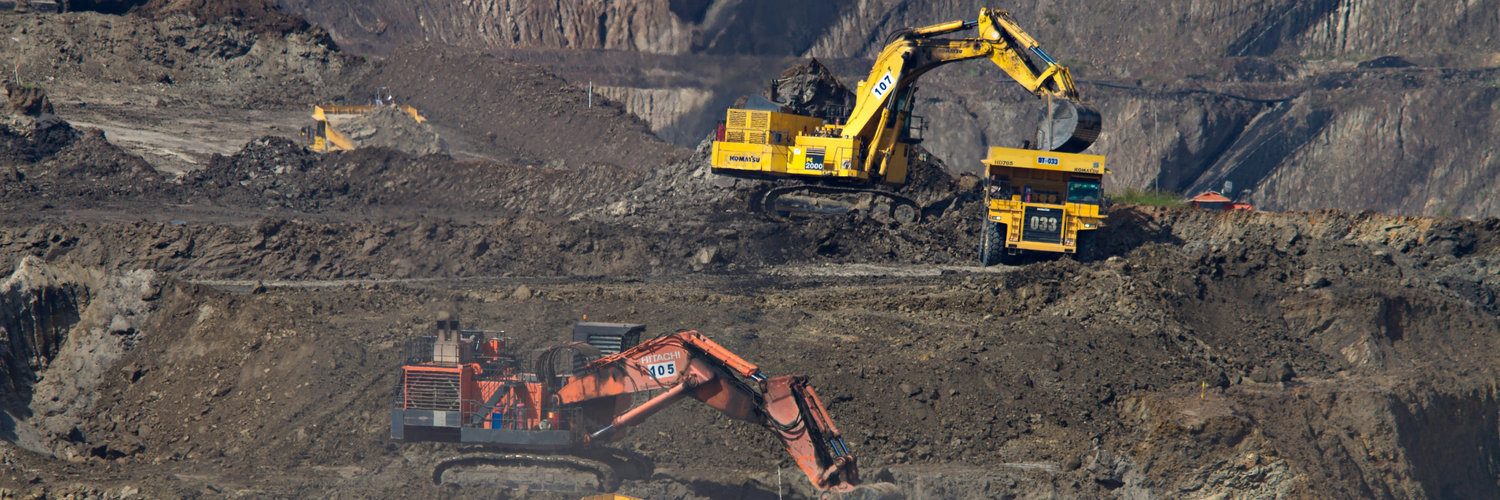
Lundin Mining is a base-metals miner that explores for, develops, and operates mines that produce copper, zinc, nickel, and related byproducts. It does not make finished products itself; instead, it digs ore from the ground, processes it into concentrates or cathode, and sends those metal products into the industrial supply chain. Its main customers are smelters, refiners, and large metal traders that buy mined material and turn it into usable metal for manufacturers. Those end users serve industries such as wiring, construction, automotive, energy, and batteries. Lundin Mining makes money by selling the metals it produces, so its business depends on the volume and quality of ore it can extract and the market price for each metal. What makes the company easy to understand is its role near the start of the metals chain. It is a producer of raw materials, not a fabricator of end goods. That means its value comes from finding and running mines efficiently, keeping output moving, and supplying metals that the wider economy needs to build and power modern infrastructure.
Lundin Mining is a base-metals miner that explores for, develops, and operates mines that produce copper, zinc, nickel, and related byproducts. It does not make finished products itself; instead, it digs ore from the ground, processes it into concentrates or cathode, and sends those metal products into the industrial supply chain.
Its main customers are smelters, refiners, and large metal traders that buy mined material and turn it into usable metal for manufacturers. Those end users serve industries such as wiring, construction, automotive, energy, and batteries. Lundin Mining makes money by selling the metals it produces, so its business depends on the volume and quality of ore it can extract and the market price for each metal.
What makes the company easy to understand is its role near the start of the metals chain. It is a producer of raw materials, not a fabricator of end goods. That means its value comes from finding and running mines efficiently, keeping output moving, and supplying metals that the wider economy needs to build and power modern infrastructure.
Production: Lundin Mining said Q1 was a solid start to 2026, with copper production of approximately 79,900 tonnes and gold production of 31,500 ounces, both in line with guidance.
Cash Flow: The company generated over $1.1 billion in revenue, $627 million in adjusted EBITDA, and $380 million in free cash flow from operations, showing strong cash generation from its asset base.
Vicuña: Lundin Mining highlighted major progress at Vicuña, including the integrated technical study, early site works, added hiring, and a fully upsized $4.5 billion credit facility to support Stage 1.
Portfolio Shift: The sale of Eagle and the increased stake in Caserones plus ownership in Los Helados move the company closer to being a pure-play copper business with a stronger Chile-Argentina growth pipeline.
Costs: Management said diesel and other input costs are under watch, but even with current diesel prices they still expect to stay within full-year C1 cash cost guidance.
Shareholder Returns: Lundin Mining bought back $40 million of stock, declared its Q1 dividend, and reiterated that it has returned more than $1.6 billion to shareholders since 2017.
