
Conagra Brands Inc
XMUN:CAO



Decide at what price you'd be comfortable buying and we'll help you stay ready.
|
C
|
Conagra Brands Inc
XMUN:CAO
|
US |

|
Koninklijke DSM NV
AEX:DSM
|
NL |
|
S
|
Standard Chartered PLC
XBER:STD
|
UK |
|
R
|
Rockfire Resources PLC
F:P2P
|
UK |
|
C
|
China State Construction International Holdings Ltd
F:C4S1
|
HK |

|
Puma SE
OTC:PMMAF
|
DE |
|
L
|
L'Air Liquide Societe Anonyme pour l'Etude et l'Exploitation des Procedes Georges Claude SA
OTC:AIQUF
|
FR |

|
Glass House Brands Inc
OTC:GLASF
|
US |
|
Essity AB (publ)
F:ESW
|
SE |

|
Kofola CeskoSlovensko as
LSE:0RD3
|
CZ |
|
Britannia Industries Ltd
NSE:BRITANNIA
|
IN |
|
O
|
Outlook Therapeutics Inc
F:41ON
|
US |
Conagra Brands Inc
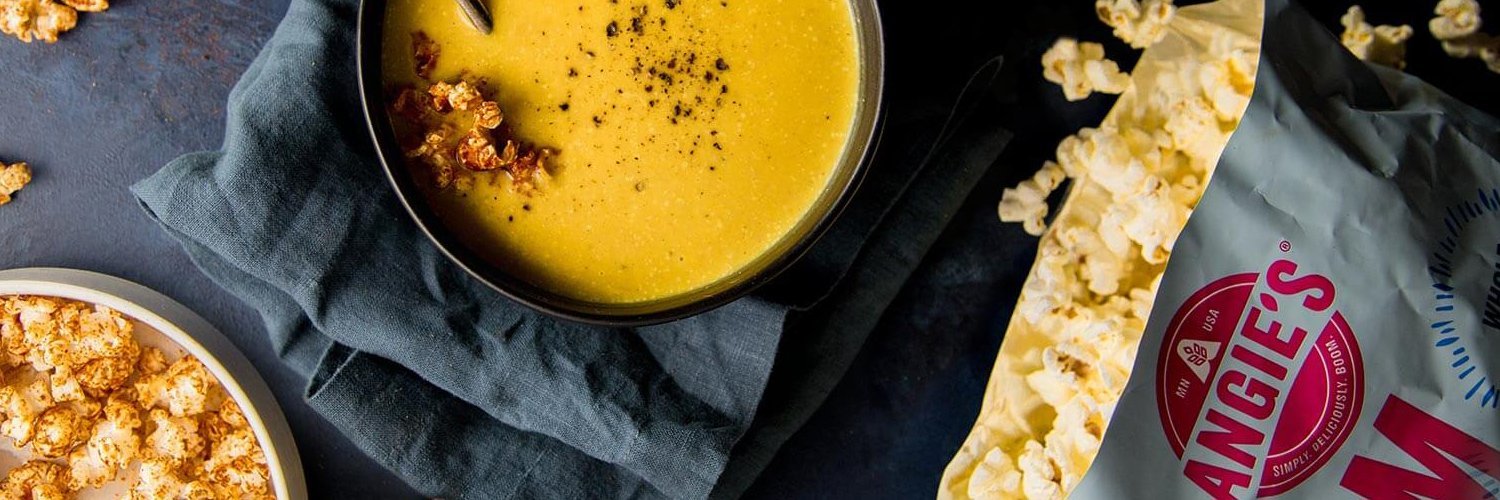
Conagra Brands makes packaged food that people buy in grocery stores and eat at home. Its products include frozen meals, snacks, sauces, cooking ingredients, and shelf-stable meals sold under familiar brand names. The company sells mainly to supermarkets, mass merchants, club stores, and foodservice buyers, and it reaches shoppers through retail channels rather than through its own stores. Conagra makes money by producing branded consumer foods and selling them to retailers and other distributors, who then sell them to end customers. In practice, it sits in the middle of the food chain: it buys ingredients, turns them into packaged products, and earns a margin on the difference between manufacturing cost and the price paid by retailers and foodservice customers. Brand recognition, shelf space, and broad distribution matter a lot in this business because shoppers often choose familiar products and retailers want steady supply. What sets Conagra apart is its focus on everyday packaged foods that are easy to store, ship, and prepare. Unlike restaurants or fresh-food companies, it depends on long-lasting packaged products and repeat purchases, which makes its business tied to grocery aisles, freezer cases, and pantry staples. Its role is to take raw agricultural and food inputs and convert them into branded convenience foods that fit into daily meal planning.
Conagra Brands makes packaged food that people buy in grocery stores and eat at home. Its products include frozen meals, snacks, sauces, cooking ingredients, and shelf-stable meals sold under familiar brand names. The company sells mainly to supermarkets, mass merchants, club stores, and foodservice buyers, and it reaches shoppers through retail channels rather than through its own stores.
Conagra makes money by producing branded consumer foods and selling them to retailers and other distributors, who then sell them to end customers. In practice, it sits in the middle of the food chain: it buys ingredients, turns them into packaged products, and earns a margin on the difference between manufacturing cost and the price paid by retailers and foodservice customers. Brand recognition, shelf space, and broad distribution matter a lot in this business because shoppers often choose familiar products and retailers want steady supply.
What sets Conagra apart is its focus on everyday packaged foods that are easy to store, ship, and prepare. Unlike restaurants or fresh-food companies, it depends on long-lasting packaged products and repeat purchases, which makes its business tied to grocery aisles, freezer cases, and pantry staples. Its role is to take raw agricultural and food inputs and convert them into branded convenience foods that fit into daily meal planning.
Volume first: Management said the company’s decision to prioritize volume growth in frozen and snacks is working, with portfolio volume improving and total portfolio growth returning this quarter.
Margins improving: The company now expects fiscal Q3 operating margin to finish at the high end of its 11% to 11.5% guide, helped by productivity, pricing actions, and supply chain improvements.
Q4 outlook: Management expects positive organic net sales growth in Q4 and an operating margin inflection from Q3 to Q4, helped by lower A&P, the 53rd week, and normal seasonality.
Cost visibility: For fiscal 2027, Conagra said it is about 60% covered on total materials for Q1, about 40% covered for the full year, and only about 15% covered on proteins.
Cash flow focus: Free cash flow conversion was raised to 105% from 100%, and management said inventory reduction and working capital improvements remain major levers.
Ardent Mills: Ardent Mills was pressured by low wheat prices and less volatility this year, but management said the business remains cash-generative and dividend timing is reviewed annually.
