

Barrick Gold Corp
XMUN:ABR



Decide at what price you'd be comfortable buying and we'll help you stay ready.
|
B
|
Barrick Gold Corp
XMUN:ABR
|
CA |

|
Samsung Electronics Co Ltd
LSE:SMSD
|
KR |
|
U
|
Ubtech Robotics Corp Ltd
HKEX:9880
|
CN |

|
ING Groep NV
BMV:INGN
|
NL |
|
K
|
Kingspan Group PLC
DUS:KRX
|
IE |
|
H
|
Hyundai Motor Co
KRX:005389
|
KR |
|
Clean Energy Fuels Corp
NASDAQ:CLNE
|
US |

|
Hermes International SCA
OTC:HESAF
|
FR |
|
W
|
Westrock Co
F:1WR
|
US |
Barrick Gold Corp
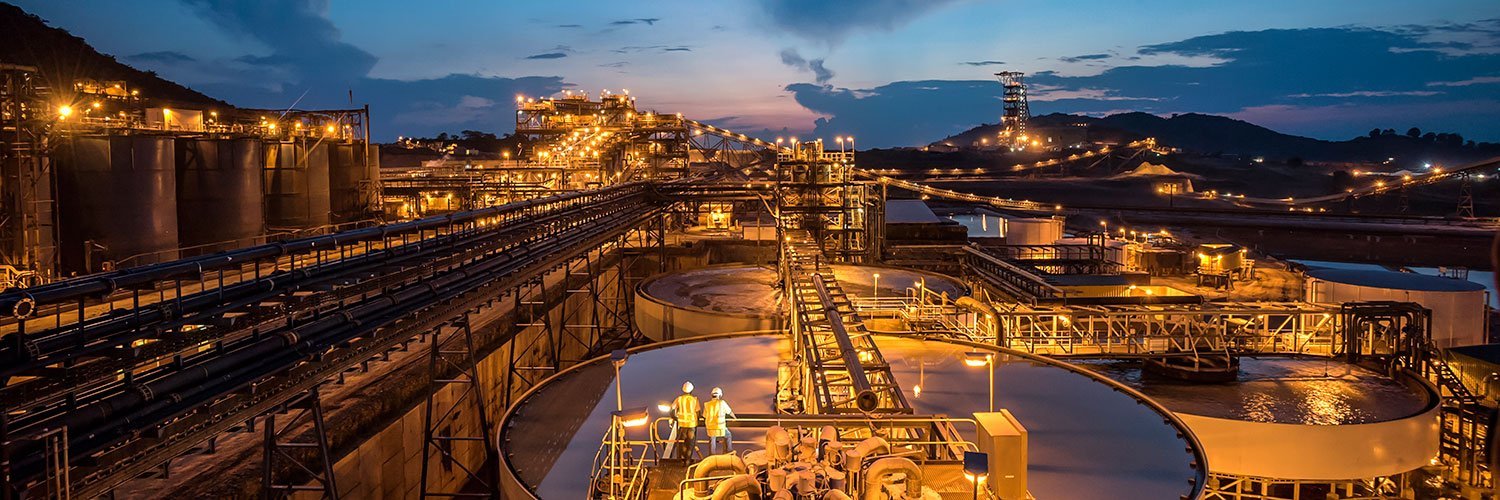
Barrick Gold is one of the world’s large gold mining companies. It explores for ore, builds and runs mines, and then processes rock to produce gold and some copper. The company does not make finished consumer products; it sells raw metal output from its mines into the global commodities market, where buyers include refiners, bullion traders, industrial users, and, for some gold, financial and central-bank channels. Its main business is finding mineral deposits, extracting ore, and turning that ore into saleable metal. Barrick earns money when it sells gold and copper, so its results depend on how much metal it can produce, the quality of its reserves, and the market prices it receives. Because mining requires heavy equipment, energy, permits, and long development timelines, the business is capital intensive and tied to geology, operating execution, and access to stable mining jurisdictions. What makes Barrick’s role different is that it sits near the start of the metals supply chain. It is not a jeweler, a refiner, or a manufacturer; it is the company that takes mineral deposits out of the ground and turns them into tradable commodities. That gives it exposure to global metal demand and prices, while also making its success depend on owning strong mines and keeping production reliable over long periods.

Barrick Gold is one of the world’s large gold mining companies. It explores for ore, builds and runs mines, and then processes rock to produce gold and some copper. The company does not make finished consumer products; it sells raw metal output from its mines into the global commodities market, where buyers include refiners, bullion traders, industrial users, and, for some gold, financial and central-bank channels.
Its main business is finding mineral deposits, extracting ore, and turning that ore into saleable metal. Barrick earns money when it sells gold and copper, so its results depend on how much metal it can produce, the quality of its reserves, and the market prices it receives. Because mining requires heavy equipment, energy, permits, and long development timelines, the business is capital intensive and tied to geology, operating execution, and access to stable mining jurisdictions.
What makes Barrick’s role different is that it sits near the start of the metals supply chain. It is not a jeweler, a refiner, or a manufacturer; it is the company that takes mineral deposits out of the ground and turns them into tradable commodities. That gives it exposure to global metal demand and prices, while also making its success depend on owning strong mines and keeping production reliable over long periods.
Results: Barrick said Q2 was its third straight quarter of strong operating and financial performance, with gold production above guidance, costs within guidance, and adjusted EPS of $0.82 in line with consensus.
Newmont deal: Management announced a roughly $4 billion agreement with Newmont tied to the Nevada joint venture, saying it removes long-running disputes, improves the economics of the planned IPO, and is expected to drive value back to shareholders.
IPO path: Barrick said the North America gold assets IPO is still targeted for the end of the year, with the company expecting the vast majority of net proceeds to be returned to shareholders.
Capex reset: The company cut its expected 2026 attributable CapEx to $450 million to $500 million from $600 million to $700 million, mainly because it will not start building the plant this year.
Safety focus: Safety remained the top priority; Barrick said its frequency rate improved quarter over quarter, but it still had 6 lost-time recordable injuries and is spending over $90 million this year on safety technology.
Guidance: Management left 2026 production and cost guidance unchanged and said gold production should be higher in Q3 and even higher in Q4, while copper production should increase in the second half.
