

Imperial Oil Ltd
TSX:IMO



Decide at what price you'd be comfortable buying and we'll help you stay ready.

|
Imperial Oil Ltd
TSX:IMO
|
CA |
|
A
|
Airbus SE
XMUN:AIR
|
NL |

|
Samsung Electronics Co Ltd
KRX:005930
|
KR |
|
S&P Global Inc
NYSE:SPGI
|
US |
|
R
|
Resona Holdings Inc
XMUN:DW1
|
JP |
Imperial Oil Ltd
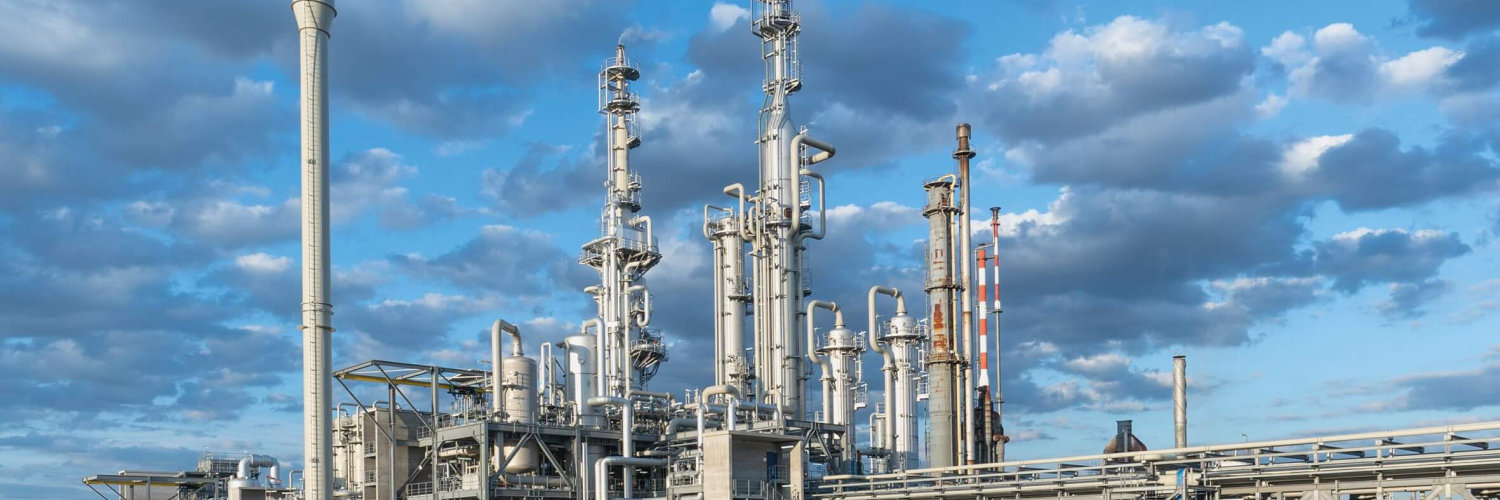
Imperial Oil is a Canadian energy company that finds, produces, refines, and sells oil and natural gas. It also turns crude oil into fuels such as gasoline, diesel, and jet fuel, and sells lubricants and other petroleum products under brands like Esso. Its business sits across the energy chain, from producing raw hydrocarbons to delivering finished fuels to drivers, fleets, airlines, and industrial customers. The company makes money in two main ways: by selling oil and gas it produces, and by processing crude oil into higher-value products at its refineries. It also earns revenue from branded fuel sales, lubricant sales, and other downstream products used by consumers and businesses. Because it controls both production and refining, it can benefit from different parts of the energy market rather than relying on just one. Imperial Oil is different from a pure producer because it has a large downstream business that helps move its own crude into end products people actually use every day. That makes it part oil company, part fuel marketer, and part industrial processor. For beginner investors, the key idea is that Imperial makes and sells the energy products that power transportation and many kinds of business activity across Canada.
Imperial Oil is a Canadian energy company that finds, produces, refines, and sells oil and natural gas. It also turns crude oil into fuels such as gasoline, diesel, and jet fuel, and sells lubricants and other petroleum products under brands like Esso. Its business sits across the energy chain, from producing raw hydrocarbons to delivering finished fuels to drivers, fleets, airlines, and industrial customers.
The company makes money in two main ways: by selling oil and gas it produces, and by processing crude oil into higher-value products at its refineries. It also earns revenue from branded fuel sales, lubricant sales, and other downstream products used by consumers and businesses. Because it controls both production and refining, it can benefit from different parts of the energy market rather than relying on just one.
Imperial Oil is different from a pure producer because it has a large downstream business that helps move its own crude into end products people actually use every day. That makes it part oil company, part fuel marketer, and part industrial processor. For beginner investors, the key idea is that Imperial makes and sells the energy products that power transportation and many kinds of business activity across Canada.
Bottom line: Imperial reported stronger second-quarter earnings and cash flow, helped by higher commodity prices, while also signaling softer upstream production and a lower downstream throughput outlook for the rest of 2026.
Profit growth: Net income rose to $2.190 billion, up $1.241 billion year over year, and cash flow from operations excluding working capital was $2.522 billion, up about $1.1 billion from last year.
Guidance cuts: Upstream full-year production is now expected toward the low end of the guidance range, and downstream throughput guidance was cut by approximately 6% because of downtime, renewable diesel mix shifts and rail congestion at Strathcona.
Operational execution: Management said major turnarounds were completed ahead of schedule or with strong performance, including Kearl’s turnaround and the Strathcona refinery turnaround, and expects higher volumes in the second half now that the heaviest maintenance period is behind it.
Capital returns: Imperial plans to accelerate buybacks under the NCIB and expects to repurchase all remaining allowable shares before year-end, while continuing to prioritize a growing dividend.