
LVMH Moet Hennessy Louis Vuitton SE
SWB:MOH



Decide at what price you'd be comfortable buying and we'll help you stay ready.
|
L
|
LVMH Moet Hennessy Louis Vuitton SE
SWB:MOH
|
FR |
|
T
|
Travelers Companies Inc
XMUN:PA9
|
US |

|
Young & Co's Brewery PLC
LSE:YNGA
|
UK |

|
Staffline Group PLC
F:OSU
|
UK |
|
H
|
Hess Corp
F:AHC
|
US |
LVMH Moet Hennessy Louis Vuitton SE
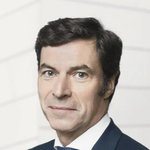
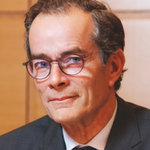
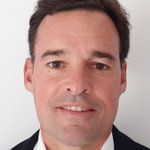
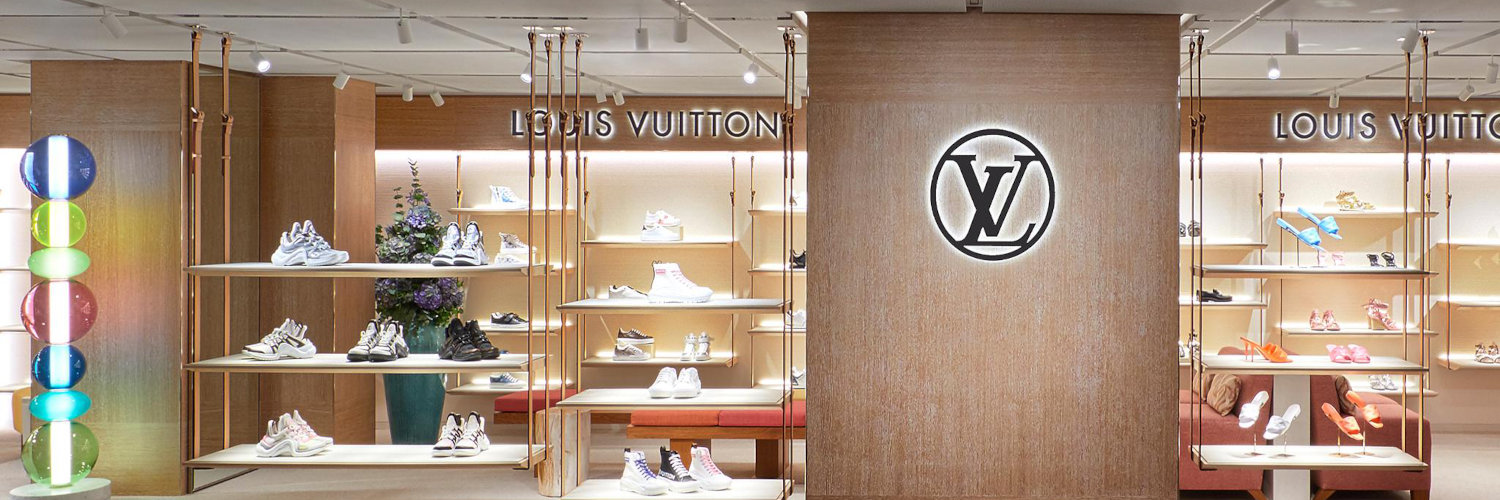
LVMH Moët Hennessy Louis Vuitton is a global luxury goods company. It sells fashion and leather goods, watches and jewelry, perfumes and cosmetics, wines and spirits, and also runs selective retail businesses such as duty-free shops and beauty stores. Its brands include Louis Vuitton, Dior, Sephora, Tiffany & Co., Moët & Chandon, and Hennessy, each aimed at affluent customers who buy for status, craftsmanship, and brand heritage. The company makes money by selling finished luxury products through its own stores, wholesale channels, and controlled distribution networks. In wine and spirits, it sells branded drinks to distributors, retailers, bars, restaurants, and travel retailers. In beauty and retail, it earns from direct-to-consumer sales and from operating store formats that showcase its brands and control the customer experience. What makes LVMH different is that it is not just a single luxury label, but a house of many high-end brands across several categories. That gives it a strong role in the luxury value chain: it designs, markets, manufactures, and sells premium goods while keeping tight control over image, pricing, and distribution. The business depends less on volume and more on brand power, product desirability, and customer loyalty.
LVMH Moët Hennessy Louis Vuitton is a global luxury goods company. It sells fashion and leather goods, watches and jewelry, perfumes and cosmetics, wines and spirits, and also runs selective retail businesses such as duty-free shops and beauty stores. Its brands include Louis Vuitton, Dior, Sephora, Tiffany & Co., Moët & Chandon, and Hennessy, each aimed at affluent customers who buy for status, craftsmanship, and brand heritage.
The company makes money by selling finished luxury products through its own stores, wholesale channels, and controlled distribution networks. In wine and spirits, it sells branded drinks to distributors, retailers, bars, restaurants, and travel retailers. In beauty and retail, it earns from direct-to-consumer sales and from operating store formats that showcase its brands and control the customer experience.
What makes LVMH different is that it is not just a single luxury label, but a house of many high-end brands across several categories. That gives it a strong role in the luxury value chain: it designs, markets, manufactures, and sells premium goods while keeping tight control over image, pricing, and distribution. The business depends less on volume and more on brand power, product desirability, and customer loyalty.
Revenue Growth: LVMH reported organic revenue growth of 17% for the first half of 2023, with all business groups except Wines & Spirits delivering double-digit increases.
Profitability: Profit from recurring operations rose by 13% to €11.6 billion, achieving an operating margin of 27.4%. Net profit attributable to the group grew 30% to €8.5 billion.
Geographic Trends: Asia rebounded sharply with 23% growth, while the US saw only 3% growth and some softness, particularly among aspirational consumers.
Fashion & Leather: This segment grew organic revenue by 20%, but experienced a slight margin decline due to higher marketing spend and currency pressures.
Selective Retailing: Sephora and DFS performed strongly, with Selective Retailing profit from recurring operations doubling year-on-year.
Cost & Investment: Increased marketing and real estate investments impacted free cash flow, but management expects full-year margins to be defended at last year’s level.
Guidance: Management remains confident in brand strength and balanced global exposure but is cautious amid external uncertainties. No change to margin guidance for the full year.
Management
Bernard Arnault is a prominent French businessman best known as the chairman and chief executive officer of LVMH Moët Hennessy Louis Vuitton SE, the world’s leading luxury goods company. Born on March 5, 1949, in Roubaix, France, Arnault graduated with an engineering degree from École Polytechnique in Paris. Arnault began his career working for his father’s construction firm, Ferret-Savinel, and took control of it in 1971. He later transformed the company, sold off its industrial assets, and shifted its focus to real estate. His strategic pivot into luxury goods started in 1984 with the acquisition of the financial holding company that owned Christian Dior. In 1987, Arnault played a crucial role in establishing LVMH by merging the luxury goods companies Louis Vuitton, Moët & Chandon, and Hennessy. Under his leadership, LVMH expanded rapidly, acquiring numerous prestigious brands from different luxury sectors, including fashion, cosmetics, jewelry, and wines and spirits. Some notable acquisitions include Givenchy, Fendi, Tag Heuer, and Sephora, among others. Arnault is renowned for his sharp business acumen, strategic vision, and ability to enhance the value and prestige of luxury brands under the LVMH umbrella. His leadership style emphasizes creativity and innovation, allowing the brands to maintain their distinct identities while benefitting from LVMH’s extensive global network. He is one of the wealthiest individuals globally and has been a significant figure in the luxury fashion and retail sectors for decades. Arnault is not only influential in the business world but also an active patron of the arts, supporting various cultural initiatives and institutions through LVMH and personal contributions.
Arnault began his career working for his father’s construction firm, Ferret-Savinel, and took control of it in 1971. He later transformed the company, sold off its industrial assets, and shifted its focus to real estate. His strategic pivot into luxury goods started in 1984 with the acquisition of the financial holding company that owned Christian Dior.
In 1987, Arnault played a crucial role in establishing LVMH by merging the luxury goods companies Louis Vuitton, Moët & Chandon, and Hennessy. Under his leadership, LVMH expanded rapidly, acquiring numerous prestigious brands from different luxury sectors, including fashion, cosmetics, jewelry, and wines and spirits. Some notable acquisitions include Givenchy, Fendi, Tag Heuer, and Sephora, among others.
Arnault is renowned for his sharp business acumen, strategic vision, and ability to enhance the value and prestige of luxury brands under the LVMH umbrella. His leadership style emphasizes creativity and innovation, allowing the brands to maintain their distinct identities while benefitting from LVMH’s extensive global network.
He is one of the wealthiest individuals globally and has been a significant figure in the luxury fashion and retail sectors for decades. Arnault is not only influential in the business world but also an active patron of the arts, supporting various cultural initiatives and institutions through LVMH and personal contributions.
Antoine Arnault is a prominent French businessman and a key figure within the luxury industry, primarily known for his influential role at LVMH Moët Hennessy Louis Vuitton SE. Born on June 4, 1977, he is the son of Bernard Arnault, the chairman and chief executive officer of LVMH, which is the world's largest luxury-goods company. Antoine Arnault was educated at prestigious institutions, including HEC Montréal and INSEAD. He joined the family business and quickly rose through the ranks, demonstrating his leadership skills and business acumen. He served as the CEO of Berluti, a high-end men's fashion house owned by LVMH. Under his direction, Berluti expanded its product range and global presence. In addition to his role at Berluti, Antoine Arnault was appointed as the head of communications for LVMH, where he played a crucial role in shaping the group's brand image and strategic marketing efforts. This role capitalized on his strong understanding of luxury branding and communications. In 2018, he was appointed as the chairman of Loro Piana, another luxury brand under the LVMH umbrella, known for its exquisite cashmere and wool products. His leadership at Loro Piana has been pivotal in maintaining the brand's commitment to quality and craftsmanship. Beyond his duties at LVMH, Antoine Arnault is also involved in various philanthropic activities, particularly those that focus on environmental sustainability and social responsibility within the luxury industry. Antoine Arnault is married to Natalia Vodianova, a renowned Russian supermodel and philanthropist, and they have children together. His personal and professional life reflects a deep commitment to both his family and the continuation of excellence in the luxury sector.
Antoine Arnault was educated at prestigious institutions, including HEC Montréal and INSEAD. He joined the family business and quickly rose through the ranks, demonstrating his leadership skills and business acumen. He served as the CEO of Berluti, a high-end men's fashion house owned by LVMH. Under his direction, Berluti expanded its product range and global presence.
In addition to his role at Berluti, Antoine Arnault was appointed as the head of communications for LVMH, where he played a crucial role in shaping the group's brand image and strategic marketing efforts. This role capitalized on his strong understanding of luxury branding and communications.
In 2018, he was appointed as the chairman of Loro Piana, another luxury brand under the LVMH umbrella, known for its exquisite cashmere and wool products. His leadership at Loro Piana has been pivotal in maintaining the brand's commitment to quality and craftsmanship.
Beyond his duties at LVMH, Antoine Arnault is also involved in various philanthropic activities, particularly those that focus on environmental sustainability and social responsibility within the luxury industry.
Antoine Arnault is married to Natalia Vodianova, a renowned Russian supermodel and philanthropist, and they have children together. His personal and professional life reflects a deep commitment to both his family and the continuation of excellence in the luxury sector.
Jean-Jacques Guiony is a prominent French businessman known for his role at LVMH Moet Hennessy Louis Vuitton SE, a leading luxury goods conglomerate. He has been the Chief Financial Officer (CFO) of LVMH since 2004. In his capacity as CFO, Guiony plays a crucial role in overseeing the financial operations of the company, which includes strategic planning, financial reporting, and investment analysis. His efforts contribute to the financial stability and growth of the group. Guiony has a strong background in finance and business, which prepared him for his responsibilities at LVMH. Before joining LVMH, he worked at the French investment bank Lazard Frères, where he gained significant experience in corporate finance and mergers and acquisitions. His keen understanding of finance has been instrumental in navigating the complexities of the luxury industry. Throughout his tenure at LVMH, Jean-Jacques Guiony has been actively involved in significant business developments and strategic acquisitions, supporting the company's expansion and solidifying its position as a leader in the global luxury market. His expertise in financial management and strategic planning has made him a vital part of the executive team at LVMH.
Guiony has a strong background in finance and business, which prepared him for his responsibilities at LVMH. Before joining LVMH, he worked at the French investment bank Lazard Frères, where he gained significant experience in corporate finance and mergers and acquisitions. His keen understanding of finance has been instrumental in navigating the complexities of the luxury industry.
Throughout his tenure at LVMH, Jean-Jacques Guiony has been actively involved in significant business developments and strategic acquisitions, supporting the company's expansion and solidifying its position as a leader in the global luxury market. His expertise in financial management and strategic planning has made him a vital part of the executive team at LVMH.
François-René Bouillonnec is a renowned executive who worked for LVMH Moët Hennessy Louis Vuitton SE, a French luxury goods conglomerate. He served in various capacities within the group, primarily working in the realm of fashion and leather goods. Bouillonnec has held leadership positions in several LVMH subsidiaries, contributing to the company’s global strategy and expansion. He is recognized for his expertise in brand management and international market development, playing a key role in strengthening the brand's presence in diverse luxury markets. Bouillonnec’s impactful work and strategic insight have been instrumental in driving growth and innovation within the company's esteemed portfolio.

Chantal Gaemperle is a prominent executive in the luxury goods sector, primarily known for her role at LVMH Moët Hennessy Louis Vuitton SE, one of the world's leading luxury goods conglomerates. She serves as the Executive Vice President of Human Resources and Synergies. In this role, Gaemperle is responsible for managing LVMH's human resources strategy across its numerous brands and fostering synergies between them. She has been with LVMH since 2007, and her work has been instrumental in shaping the company's HR policies and practices. Gaemperle is recognized for her expertise in leadership development, talent management, and organizational culture. Her contributions to LVMH include enhancing diversity within the company and implementing innovative HR practices that align with the brand's values and business objectives. Before joining LVMH, Chantal Gaemperle gained extensive experience in human resources through various leadership positions. Her career has also seen her working with global corporations, where she developed a deep understanding of international HR challenges and strategies. Chantal Gaemperle has been commended for her strategic insight and ability to align HR initiatives with broader business goals, contributing significantly to the company's success and reputation as an employer of choice in the luxury industry. She is often involved in speaking engagements and panels related to human resources, leadership, and business management.
She has been with LVMH since 2007, and her work has been instrumental in shaping the company's HR policies and practices. Gaemperle is recognized for her expertise in leadership development, talent management, and organizational culture. Her contributions to LVMH include enhancing diversity within the company and implementing innovative HR practices that align with the brand's values and business objectives.
Before joining LVMH, Chantal Gaemperle gained extensive experience in human resources through various leadership positions. Her career has also seen her working with global corporations, where she developed a deep understanding of international HR challenges and strategies.
Chantal Gaemperle has been commended for her strategic insight and ability to align HR initiatives with broader business goals, contributing significantly to the company's success and reputation as an employer of choice in the luxury industry. She is often involved in speaking engagements and panels related to human resources, leadership, and business management.

Christopher de Lapuente is a well-regarded executive in the luxury retail industry, best known for his significant contributions to LVMH Moet Hennessy Louis Vuitton SE. He has held several key positions within the company, where he has demonstrated exceptional leadership and strategic vision. Before joining LVMH, de Lapuente had an extensive career at Procter & Gamble, where he gained valuable experience in various international markets and divisions. This background laid the foundation for his subsequent success in the luxury sector. At LVMH, de Lapuente took on the role of CEO and Chairman of the Sephora division, a leading global beauty retailer. Under his leadership, Sephora expanded considerably, both in terms of geographic presence and market share. His focus on enhancing the customer experience, fostering innovation, and embracing digital transformation contributed significantly to Sephora’s growth and reputation as a top-tier beauty destination. Christopher de Lapuente also played a crucial role in other strategic initiatives within LVMH, leveraging his expertise and vision to drive the company’s success in the competitive luxury market. His contributions have been instrumental in maintaining LVMH's position as a leader in the luxury goods industry.
Before joining LVMH, de Lapuente had an extensive career at Procter & Gamble, where he gained valuable experience in various international markets and divisions. This background laid the foundation for his subsequent success in the luxury sector.
At LVMH, de Lapuente took on the role of CEO and Chairman of the Sephora division, a leading global beauty retailer. Under his leadership, Sephora expanded considerably, both in terms of geographic presence and market share. His focus on enhancing the customer experience, fostering innovation, and embracing digital transformation contributed significantly to Sephora’s growth and reputation as a top-tier beauty destination.
Christopher de Lapuente also played a crucial role in other strategic initiatives within LVMH, leveraging his expertise and vision to drive the company’s success in the competitive luxury market. His contributions have been instrumental in maintaining LVMH's position as a leader in the luxury goods industry.
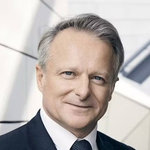
Jean-Baptiste Voisin is a prominent figure at LVMH Moët Hennessy Louis Vuitton SE, a world leader in luxury goods. He has been with the company for several years, contributing significantly to its strategic direction and growth. Voisin holds the position of Chief Strategy Officer at LVMH, where he is responsible for shaping the conglomerate's long-term strategy and identifying new business opportunities that align with its luxury market objectives. Voisin began his career at LVMH in 2006, after joining the company with a strong background in strategy and management consulting. Before LVMH, he worked at McKinsey & Company, where he gained valuable experience in strategic planning and business development, which he carried into his role at the luxury group. Throughout his tenure at LVMH, Voisin has been involved in numerous pivotal projects, including mergers and acquisitions, which have expanded the company’s portfolio of prestigious brands. His expertise and leadership have been instrumental in reinforcing LVMH's position as a global leader in the luxury sector. Jean-Baptiste Voisin is known for his analytical approach and his ability to foresee and adapt to market trends, ensuring that LVMH remains at the forefront of the luxury industry. His contributions have not only supported the company’s growth but have helped navigate the complex dynamics of the ever-evolving luxury market.
Voisin began his career at LVMH in 2006, after joining the company with a strong background in strategy and management consulting. Before LVMH, he worked at McKinsey & Company, where he gained valuable experience in strategic planning and business development, which he carried into his role at the luxury group.
Throughout his tenure at LVMH, Voisin has been involved in numerous pivotal projects, including mergers and acquisitions, which have expanded the company’s portfolio of prestigious brands. His expertise and leadership have been instrumental in reinforcing LVMH's position as a global leader in the luxury sector.
Jean-Baptiste Voisin is known for his analytical approach and his ability to foresee and adapt to market trends, ensuring that LVMH remains at the forefront of the luxury industry. His contributions have not only supported the company’s growth but have helped navigate the complex dynamics of the ever-evolving luxury market.
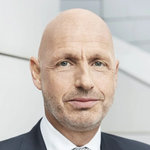
Stéphane Bianchi is a prominent executive at LVMH Moët Hennessy Louis Vuitton SE, a world leader in luxury goods. He is the CEO of the Watches & Jewelry Division at LVMH, a role he assumed in November 2018. Before joining LVMH, Bianchi had a longstanding career at the French cosmetics company Yves Rocher, where he served as CEO from 1998 to 2015. Under his leadership, the company expanded its international presence and strengthened its brand identity. At LVMH, Bianchi oversees prestigious watch brands such as TAG Heuer, Hublot, and Zenith, as well as leading jewelry brands. His strategic focus has been on innovation, craftsmanship, and harnessing brand heritage to drive growth. He brings to LVMH his extensive experience in brand management and a deep understanding of consumer trends, which have been crucial in navigating the competitive landscape of the luxury market. Bianchi is known for his leadership skills and his ability to foster creativity while ensuring operational excellence. His tenure at LVMH reflects his commitment to maintaining the high standards of luxury and exclusivity that the company is renowned for.
At LVMH, Bianchi oversees prestigious watch brands such as TAG Heuer, Hublot, and Zenith, as well as leading jewelry brands. His strategic focus has been on innovation, craftsmanship, and harnessing brand heritage to drive growth. He brings to LVMH his extensive experience in brand management and a deep understanding of consumer trends, which have been crucial in navigating the competitive landscape of the luxury market.
Bianchi is known for his leadership skills and his ability to foster creativity while ensuring operational excellence. His tenure at LVMH reflects his commitment to maintaining the high standards of luxury and exclusivity that the company is renowned for.
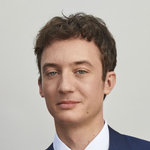
Frédéric Arnault is a significant figure in the luxury watch industry, particularly known for his role as the CEO of TAG Heuer, which is part of LVMH Moët Hennessy Louis Vuitton SE's watchmaking division. Born in 1995 to Bernard Arnault, the chairman and CEO of LVMH, Frédéric grew up surrounded by the world of luxury business. He studied at the prestigious École Polytechnique in Paris, an institution renowned for its rigorous focus on mathematics and engineering. Before joining TAG Heuer, he gained experience through roles in tech and finance, including positions at Facebook and McKinsey & Company. Frédéric Arnault joined TAG Heuer in 2017, initially working as the strategy and digital director, where he was instrumental in driving the brand's digital transformation and innovation in the smartwatch segment. In June 2020, he was appointed CEO of TAG Heuer, tasked with leading the brand towards modernization while respecting its heritage. His leadership is marked by a focus on integrating advanced technologies with TAG Heuer's legacy of craftsmanship, exemplified by the brand’s advancements in luxury smartwatches. Through his tenure, he has been recognized for bringing a fresh perspective to TAG Heuer, appealing to younger consumers and expanding the brand's global presence.
He studied at the prestigious École Polytechnique in Paris, an institution renowned for its rigorous focus on mathematics and engineering. Before joining TAG Heuer, he gained experience through roles in tech and finance, including positions at Facebook and McKinsey & Company.
Frédéric Arnault joined TAG Heuer in 2017, initially working as the strategy and digital director, where he was instrumental in driving the brand's digital transformation and innovation in the smartwatch segment. In June 2020, he was appointed CEO of TAG Heuer, tasked with leading the brand towards modernization while respecting its heritage. His leadership is marked by a focus on integrating advanced technologies with TAG Heuer's legacy of craftsmanship, exemplified by the brand’s advancements in luxury smartwatches.
Through his tenure, he has been recognized for bringing a fresh perspective to TAG Heuer, appealing to younger consumers and expanding the brand's global presence.
