
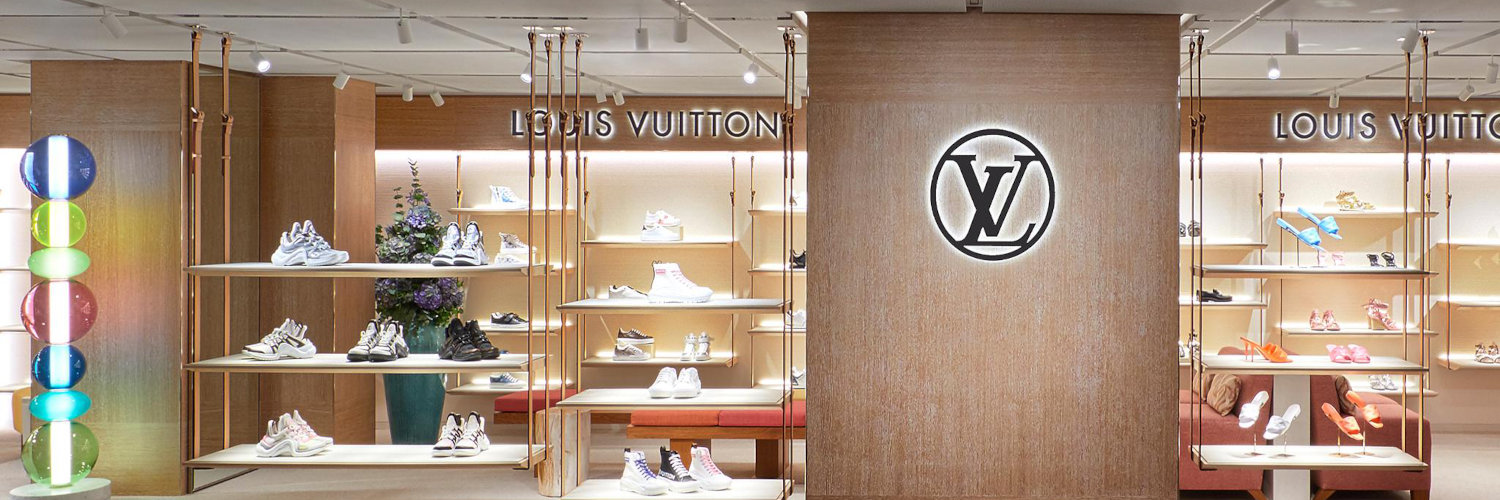

LVMH Moet Hennessy Louis Vuitton SE
PAR:MC



During the last 3 months LVMH Moet Hennessy Louis Vuitton SE insiders have not bought any shares, and have not sold any shares. The stock price has dropped by 21% over this period (open performance analysis).
The last transaction was made on
Jun 2, 2020
by
El Greco Srl Personne Morale Liée À Paolo Bulgari
, who
sold
7.8m EUR
worth of  MC shares.
During the last 3 months LVMH Moet Hennessy Louis Vuitton SE insiders have not bought any shares, and have not sold any shares. The stock price has dropped by 21% over this period (open performance analysis).
The last transaction was made on
Jun 2, 2020
by
El Greco Srl Personne Morale Liée À Paolo Bulgari
, who
sold
7.8m EUR
worth of MC shares.
LVMH Moet Hennessy Louis Vuitton SE
Glance View
In the world of luxury, few names resonate with as much authority and allure as LVMH Moet Hennessy Louis Vuitton SE. Founded through the 1987 merger of Moët Hennessy and Louis Vuitton, the company embodies a blend of heritage and innovation. LVMH thrives as a conglomerate comprising over 70 renowned brands, each of which operates semi-independently under its sprawling umbrella. This decentralized structure allows each brand—be it in fashion, wines and spirits, perfumes, watches, or cosmetics—to retain its unique identity and creative freedom while benefiting from LVMH’s robust financial backing and global distribution networks. Central to LVMH’s success is its deep understanding of the luxury market's pulse, fueled by meticulous craftsmanship and exclusivity. It captures consumer attention and loyalty through high-quality products, compelling storytelling, and strategic acquisitions that reinforce its portfolio’s prestige. The group's revenue streams primarily flow from the sale of luxury goods, with a significant portion stemming from Asia and the U.S., underscoring the geographical diversity of its customer base. In essence, LVMH doesn't just sell products; it offers a taste of the extraordinary and the timeless, capitalizing on its brands' cultural cache to maintain a consistent growth trajectory amidst the evolving landscape of global affluence.
What is Insider Trading?
Insider trading refers to the buying or selling of a company’s stock by individuals with access to non-public, material information about the company.
While legal insider trading occurs when insiders follow disclosure rules, illegal insider trading involves trading based on confidential information and is prohibited by law.
Why is Insider Trading Important?
It isn't a coincidence that corporate executives seem to always buy at the right times. After all, they have access to every bit of company information you could ever want.
However, the fact that company executives have unique insights doesn't mean that individual investors are always left in the dark. Insider trading data is out there for all who want to use it.
Insiders might sell their shares for any number of reasons, but they buy them for only one: they think the price will rise.
