

Vaxart Inc
OTC:VXRT



Decide at what price you'd be comfortable buying and we'll help you stay ready.

|
Vaxart Inc
OTC:VXRT
|
US |

|
BML Inc
OTC:BMLKF
|
JP |
|
B
|
Baloise Holding AG
OTC:BLHEY
|
CH |
|
Regal Rexnord Corp
NYSE:RRX
|
US |
|
C
|
Compagnie de Saint Gobain SA
SWB:GOB
|
FR |
|
E
|
Eni SpA
SWB:ENI
|
IT |

|
Medtronic PLC
NYSE:MDT
|
IE |
|
K
|
KeyCorp
XMUN:KEY
|
US |
|
N
|
Naspers Ltd
XMUN:NNWN
|
ZA |
|
B
|
Boyd Gaming Corp
F:BO5
|
US |
|
M
|
Merck & Co Inc
BMV:MRK
|
US |

|
Amdocs Ltd
NASDAQ:DOX
|
US |
|
G
|
Givaudan SA
OTC:GVDBF
|
CH |
|
L
|
Loews Corp
SWB:LTR
|
US |
Vaxart Inc
Vaxart is a biotechnology company that develops oral vaccines in tablet form. Instead of the usual shot, its vaccines are designed to be swallowed and to trigger an immune response through the digestive tract and mucosal surfaces. The company’s main work is research and development of vaccine candidates for infectious diseases such as respiratory and gastrointestinal viruses. Vaxart does not sell a broad range of medicines. Its business is built around advancing vaccine programs through preclinical and clinical testing, then partnering with larger drug makers or public-health groups if a candidate looks promising. It can also receive funding tied to research contracts and development agreements, which helps support its pipeline while the products are still being tested. What makes Vaxart different is its delivery method. Oral vaccines are easier to store, distribute, and give than many injectable vaccines, so they could fit large-scale public health use if they work well. That makes the company more of a technology developer in the vaccine supply chain than a traditional vaccine manufacturer.

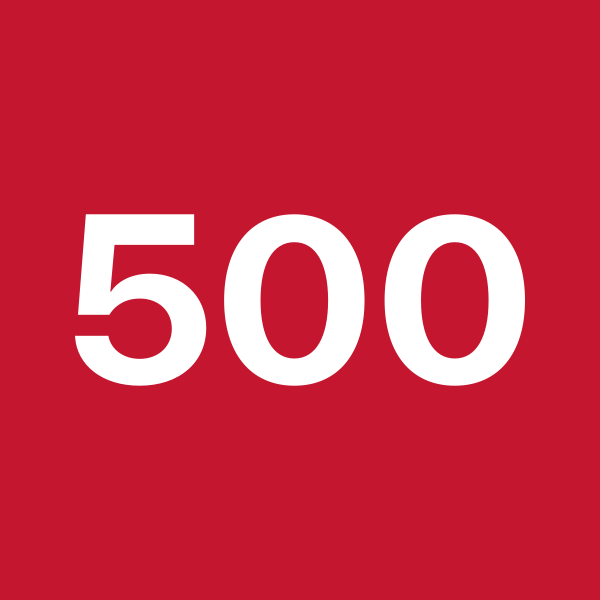
Vaxart is a biotechnology company that develops oral vaccines in tablet form. Instead of the usual shot, its vaccines are designed to be swallowed and to trigger an immune response through the digestive tract and mucosal surfaces. The company’s main work is research and development of vaccine candidates for infectious diseases such as respiratory and gastrointestinal viruses.
Vaxart does not sell a broad range of medicines. Its business is built around advancing vaccine programs through preclinical and clinical testing, then partnering with larger drug makers or public-health groups if a candidate looks promising. It can also receive funding tied to research contracts and development agreements, which helps support its pipeline while the products are still being tested.
What makes Vaxart different is its delivery method. Oral vaccines are easier to store, distribute, and give than many injectable vaccines, so they could fit large-scale public health use if they work well. That makes the company more of a technology developer in the vaccine supply chain than a traditional vaccine manufacturer.
Sentinel readout delayed: Vaxart said the 400-person COVID-19 sentinel cohort is still in the final administrative stage of data validation and quality reconciliation, and management remains blinded to the results. The company still expects a top-line readout in Q2, but said the timing is not fully under its control because of BARDA protocols.
COVID trial scope: Management stressed that the sentinel cohort was designed mainly to assess safety and immunogenicity, not to deliver a definitive efficacy comparison. More meaningful efficacy and safety data are expected from the larger roughly 5,000-person main cohort, with a readout expected in early 2027.
Financial position: First-quarter revenue was $39.2 million, up from $20.9 million a year ago, driven mainly by the BARDA contract and revenue from the Dynavax license and collaboration agreement. The company reported net income of $5.2 million, or $0.02 per share, and ended the quarter with $61 million in cash, cash equivalents and short-term investments.
Runway and flexibility: Vaxart said it expects its cash runway to extend into the second quarter of 2027. It also highlighted a newly established $25 million share purchase agreement with Lincoln Park Capital as a source of optional financing over the next 24 months.
Pipeline focus: Norovirus remains a key next program, but management said the timing of the next clinical trial depends on securing a partnership or other funding. The company is also evaluating second-generation constructs against the GII.17 strain and expects to share preclinical data later this year.
Partnerships and board: Management said discussions with Sanofi remain productive on the COVID program, and the board added Dr. James Breitmeyer in April to strengthen clinical, regulatory and strategic oversight ahead of major data milestones.
