

Victoria's Secret & Co
NYSE:VSCO



Victoria's Secret & Co
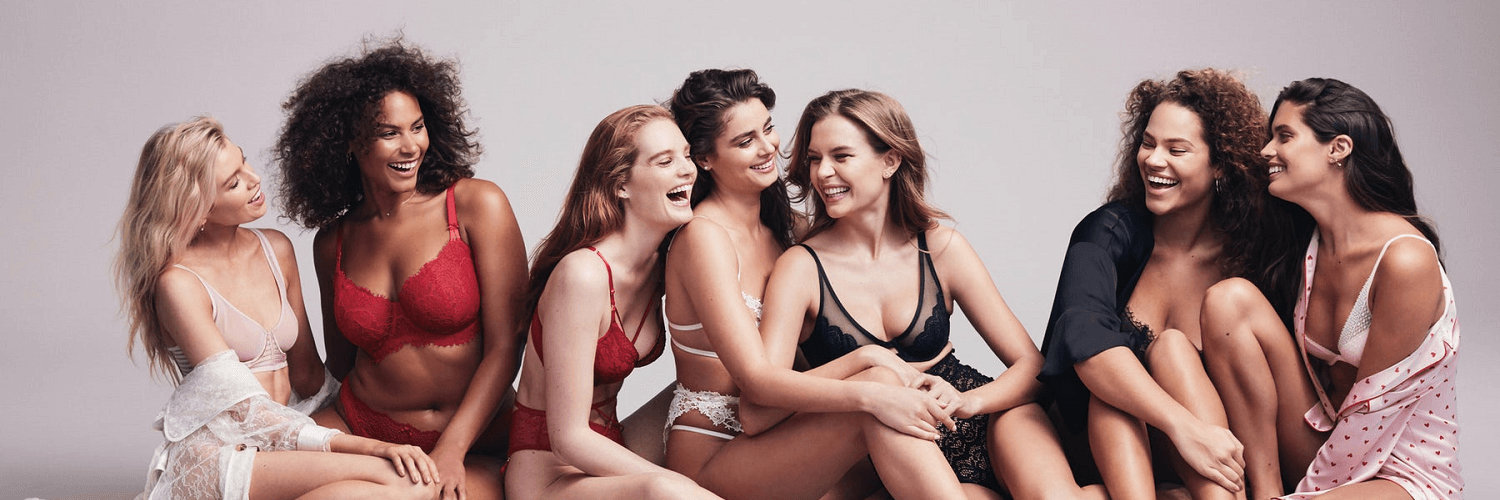
Victoria's Secret & Co., once a glittering jewel in the global lingerie market, traces its origins back to 1977 when it was founded by Roy Raymond. It initially emerged as a disruptor by providing an upscale and inviting environment for men to comfortably purchase intimate apparel for women—an untapped niche at the time. The brand effectively leveraged powerful imagery and direct marketing to carve out a dominant position, reaching its zenith under the ownership of L Brands. With a keen understanding of aspirational marketing, Victoria's Secret cleverly employed its famed models, known as "Angels," alongside high-profile fashion shows, to keep itself entrenched in popular culture, appealing to consumers' desires for glamour and luxury.
However, the retail landscape and consumer preferences have evolved sharply in recent years. Victoria's Secret generates revenue primarily through the sale of its intimate apparel, loungewear, and beauty products across its expansive network of physical stores and a robust online presence. While it faced challenges related to perceptions of inclusivity and changing tastes, the company has been actively reinventing itself to better resonate with modern values. Today, efforts are focused on expanding product lines, embracing body positivity, and enhancing customer engagement through digital strategies. By repositioning to align with broader societal shifts, Victoria's Secret aims to reinvigorate its legacy, tapping into the lucrative market for women's empowerment and self-expression.

Victoria's Secret & Co., once a glittering jewel in the global lingerie market, traces its origins back to 1977 when it was founded by Roy Raymond. It initially emerged as a disruptor by providing an upscale and inviting environment for men to comfortably purchase intimate apparel for women—an untapped niche at the time. The brand effectively leveraged powerful imagery and direct marketing to carve out a dominant position, reaching its zenith under the ownership of L Brands. With a keen understanding of aspirational marketing, Victoria's Secret cleverly employed its famed models, known as "Angels," alongside high-profile fashion shows, to keep itself entrenched in popular culture, appealing to consumers' desires for glamour and luxury.
However, the retail landscape and consumer preferences have evolved sharply in recent years. Victoria's Secret generates revenue primarily through the sale of its intimate apparel, loungewear, and beauty products across its expansive network of physical stores and a robust online presence. While it faced challenges related to perceptions of inclusivity and changing tastes, the company has been actively reinventing itself to better resonate with modern values. Today, efforts are focused on expanding product lines, embracing body positivity, and enhancing customer engagement through digital strategies. By repositioning to align with broader societal shifts, Victoria's Secret aims to reinvigorate its legacy, tapping into the lucrative market for women's empowerment and self-expression.
Results: Fiscal 2025 net sales were $6.553 billion and the company beat both top- and bottom‑line guidance in Q4 and full year.
Momentum: Comp sales returned to growth — full year comps up 5% and Q4 comps up 8% — driven by bras, PINK, sleep and beauty.
Guidance: Fiscal 2026 net sales guided to $6.85 billion–$6.95 billion (≈5%–6% growth) and EPS guided to $3.20–$3.45.
Margins & Tariffs: Management expects FY26 operating margin expansion of ~20–50 bps despite an assumed incremental gross tariff cost of ~$160 million (net impact ~$40 million) and Q1 tariff pressure concentrated in the first half.
Customer & Brand: New customer file is growing (particularly younger customers); PINK and VS both showing improved engagement and pricing power.
Cash & Cash Flow: Cash balance ended Q4 at $518 million; fiscal 2025 free cash flow was $312 million (adjusted FCF $244 million).
Portfolio actions: Adore Me impairments and restructuring charges taken (pretax $120 million long‑lived asset impairment and $36 million inventory/reserve and restructuring); Daily Look under strategic review.
