

Plug Power Inc
NASDAQ:PLUG



Decide at what price you'd be comfortable buying and we'll help you stay ready.

|
Plug Power Inc
NASDAQ:PLUG
|
US |
|
L
|
London Stock Exchange Group PLC
XMUN:LS4C
|
UK |

|
Anpario PLC
F:KI9A
|
UK |
|
M
|
Microstrategy Inc
F:MIGA
|
US |

|
HA Sustainable Infrastructure Capital Inc
NYSE:HASI
|
US |
|
P
|
Park Dental Partners Inc
NASDAQ:PARK
|
US |

|
Kuala Lumpur Kepong Bhd
OTC:KLKBY
|
MY |
Plug Power Inc
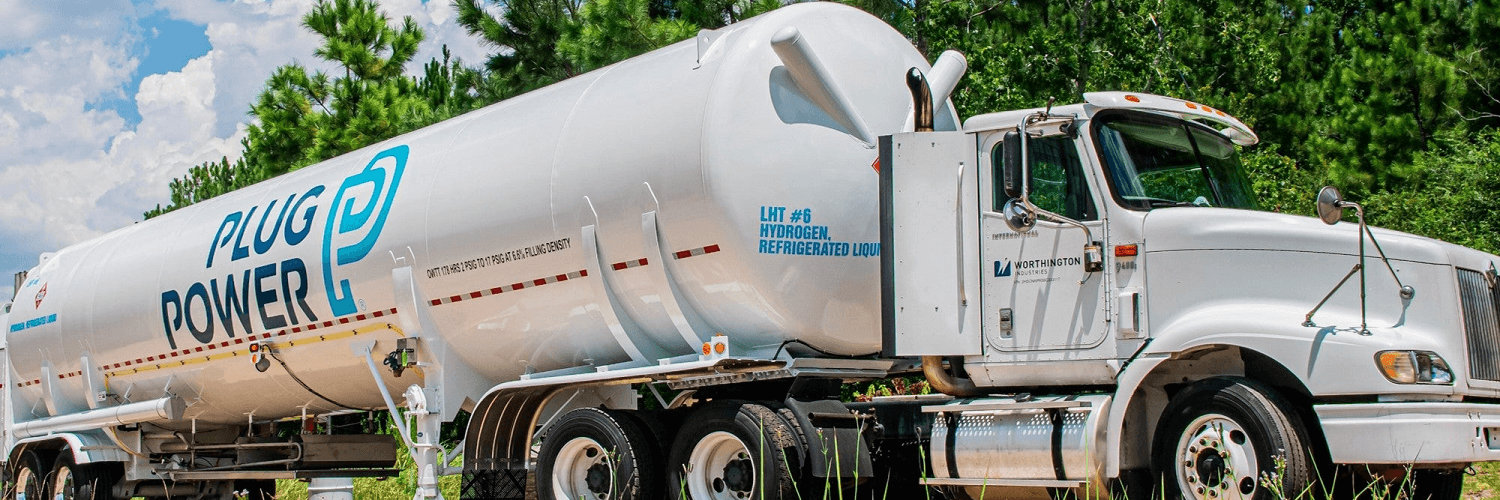
Plug Power makes hydrogen fuel-cell systems and the equipment around them. Its products help companies replace batteries, diesel engines, or other power sources with hydrogen in material-handling trucks, warehouse vehicles, backup power systems, and industrial equipment. It also sells hydrogen production and storage systems, including electrolyzers that use electricity to make hydrogen from water. The company’s main customers are large warehouses, logistics operators, manufacturers, and other industrial businesses that need clean, on-site power for vehicles and machines. Plug Power earns money by selling hardware, installing hydrogen systems, supplying hydrogen fuel, and providing ongoing service and maintenance. That means it can make money both when customers buy the equipment and after the system is in use. What makes Plug Power different is that it sits in several parts of the hydrogen value chain at once. Instead of only making fuel cells or only selling fuel, it tries to build the full system: the device that uses hydrogen, the equipment that makes it, and the fuel that keeps it running. That gives it a specialized role in the transition to hydrogen-powered industrial operations.

Plug Power makes hydrogen fuel-cell systems and the equipment around them. Its products help companies replace batteries, diesel engines, or other power sources with hydrogen in material-handling trucks, warehouse vehicles, backup power systems, and industrial equipment. It also sells hydrogen production and storage systems, including electrolyzers that use electricity to make hydrogen from water.
The company’s main customers are large warehouses, logistics operators, manufacturers, and other industrial businesses that need clean, on-site power for vehicles and machines. Plug Power earns money by selling hardware, installing hydrogen systems, supplying hydrogen fuel, and providing ongoing service and maintenance. That means it can make money both when customers buy the equipment and after the system is in use.
What makes Plug Power different is that it sits in several parts of the hydrogen value chain at once. Instead of only making fuel cells or only selling fuel, it tries to build the full system: the device that uses hydrogen, the equipment that makes it, and the fuel that keeps it running. That gives it a specialized role in the transition to hydrogen-powered industrial operations.
Revenue: Plug reported Q2 revenue of $178.3 million, up about 9% sequentially, and management said the business is tracking better than expected into the back half of the year.
Margins: Gross margin improved to essentially breakeven, a sharp step up from negative 13% last quarter and negative 30.7% a year ago, driven by better service performance, manufacturing discipline, and improved hydrogen utilization.
Guidance: Full-year revenue growth guidance was raised to 15% to 16% from 13% to 15%, with management saying the year is still expected to be heavily weighted to Q4.
Cash: Net cash usage improved to $61 million in the quarter, down about 58% from Q1, and the company ended Q2 with $161.9 million of unrestricted cash.
Q4 Goal: Management reiterated confidence in reaching positive EBITDA in Q4, saying lower breakeven thresholds, higher second-half volume, and cost discipline are the key drivers.
Electrolyzers: The electrolyzer pipeline continued to advance with new FIDs, FEED awards, and strong European policy support, which management framed as a multiyear growth tailwind.
Material Handling: Material handling was highlighted as a major growth driver, with GenDrive deployments more than doubling year over year and two large customers planning to refresh more than 20,000 units over three years.