
MKS Instruments Inc
NASDAQ:MKSI



MKS Instruments Inc
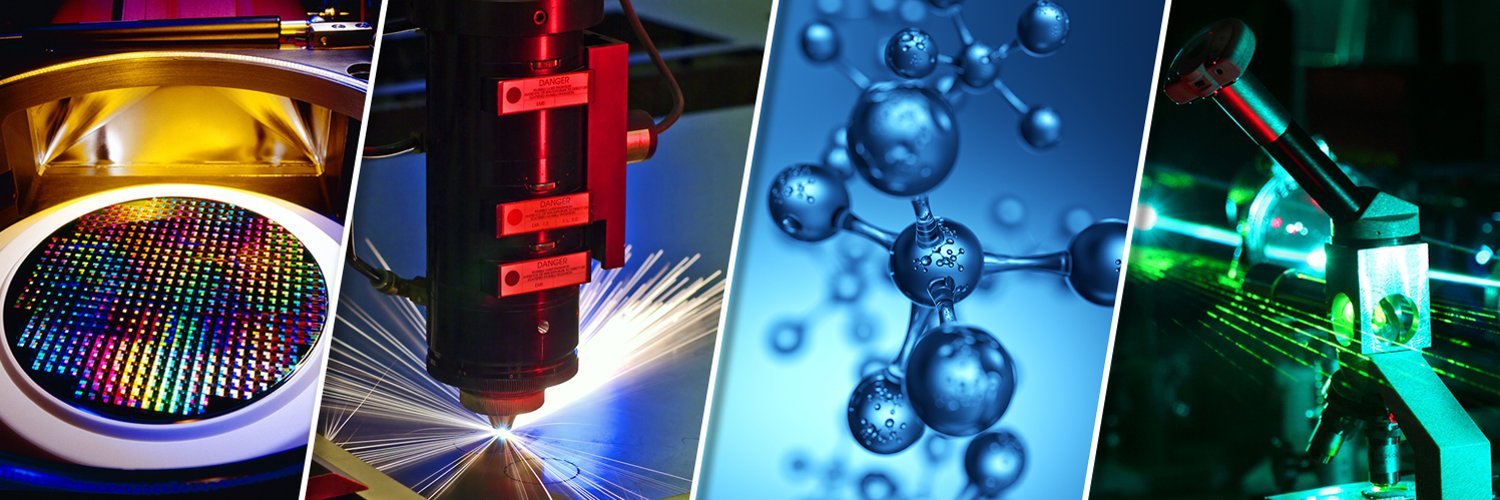
MKS Instruments Inc. traces its roots back to 1961, when it began as a modest supplier in the field of vacuum technology and instrumentation, catering to niche markets. Over the decades, the company evolved into a multifaceted industry leader that plays a pivotal role in the semiconductor, industrial technologies, life sciences, and thin-film industries. MKS Instruments makes its mark by delivering an array of sophisticated products including vacuum components, subsystems, and process control solutions. These products are crucial threads in the intricate tapestry of modern manufacturing, facilitating processes like semiconductor fabrication, thin-film coating for optics, and even critical medical applications.
The company's business model thrives on integrating advanced engineering with precise manufacturing capabilities, leveraging its strong R&D foundation. By providing innovative and often bespoke solutions, MKS Instruments stands as a vital enabler for its clients, enhancing both efficiency and quality within their production lines. Revenue streams are meticulously crafted through a combination of specialized product sales and aftermarket services, which ensure sustained operational performance of the deployed systems. MKS Instruments' ability to adapt and cater to varying technological demands underscores its prowess in not just meeting, but also setting, industry standards as advancements continually reshape these dynamic sectors.

MKS Instruments Inc. traces its roots back to 1961, when it began as a modest supplier in the field of vacuum technology and instrumentation, catering to niche markets. Over the decades, the company evolved into a multifaceted industry leader that plays a pivotal role in the semiconductor, industrial technologies, life sciences, and thin-film industries. MKS Instruments makes its mark by delivering an array of sophisticated products including vacuum components, subsystems, and process control solutions. These products are crucial threads in the intricate tapestry of modern manufacturing, facilitating processes like semiconductor fabrication, thin-film coating for optics, and even critical medical applications.
The company's business model thrives on integrating advanced engineering with precise manufacturing capabilities, leveraging its strong R&D foundation. By providing innovative and often bespoke solutions, MKS Instruments stands as a vital enabler for its clients, enhancing both efficiency and quality within their production lines. Revenue streams are meticulously crafted through a combination of specialized product sales and aftermarket services, which ensure sustained operational performance of the deployed systems. MKS Instruments' ability to adapt and cater to varying technological demands underscores its prowess in not just meeting, but also setting, industry standards as advancements continually reshape these dynamic sectors.
Strong Growth: MKS reported 10% revenue growth, 20% EPS growth, and over 20% free cash flow growth for 2025.
Beat Guidance: Q4 revenue, gross margin, and EPS all came in above the midpoint of guidance, with strong performance across all key end markets.
Positive Outlook: Management expects continued sequential growth in semiconductor and electronics & packaging revenues in Q1, with robust demand driven by AI and advanced packaging trends.
Margin Trends: Gross margins remain healthy, though slightly down year-over-year due to tariffs and product mix; Q1 margin is expected to be the low point for the year due to seasonal mix, with improvement later in 2026.
Deleveraging: The company made significant progress paying down debt, including over $1 billion paid down since February 2024 and further actions to optimize capital structure and reduce interest costs.
AI Impact: AI-related business is rapidly growing, now accounting for 10% of chemistry revenue in Electronics & Packaging, up from 5% in 2024.
Capacity & Supply Chain: MKS is ramping a new Malaysia facility midyear, is confident in having sufficient capacity, and has not seen constraints impacting ability to meet demand.
