
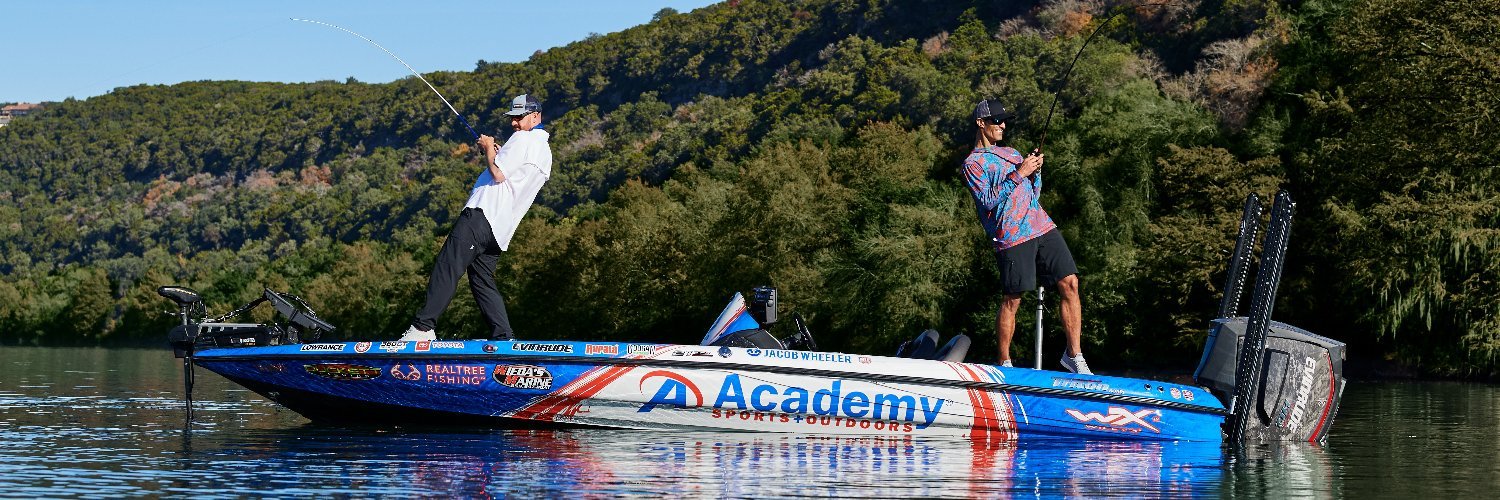

Academy Sports and Outdoors Inc
NASDAQ:ASO



Academy Sports and Outdoors Inc
Academy Sports and Outdoors Inc. began its journey as a humble tire shop in San Antonio, Texas, in 1938. Over the decades, it evolved into an expansive retail empire, offering a vast array of sporting goods and outdoor equipment. Today, the company operates more than 250 stores across the United States, becoming a go-to destination for customers seeking everything from camping gear to athletic apparel. Academy's core mission centers on providing high-quality products at competitive prices, catering to the needs of athletes, outdoor enthusiasts, and families alike. With a strategy focused on broadening product assortment, enhancing customer experiences both in-store and online, and expanding its footprint, Academy has solidified its position in the sporting goods retail market.
The company's business model is built around a combination of direct-to-consumer sales through its extensive network of brick-and-mortar stores and its growing e-commerce platform. Academy generates revenue by offering a diverse mix of private label products and well-known national brands, thereby capturing value across different price points. By maintaining efficient supply chain operations and prudent inventory management, Academy can offer competitive pricing while supporting a high turnover rate for its products. Its ongoing digital transformation and focus on customer-centric strategies aim to integrate seamlessly with in-store experiences, ensuring that Academy remains a formidable player in the dynamic and competitively charged retail landscape.


Academy Sports and Outdoors Inc. began its journey as a humble tire shop in San Antonio, Texas, in 1938. Over the decades, it evolved into an expansive retail empire, offering a vast array of sporting goods and outdoor equipment. Today, the company operates more than 250 stores across the United States, becoming a go-to destination for customers seeking everything from camping gear to athletic apparel. Academy's core mission centers on providing high-quality products at competitive prices, catering to the needs of athletes, outdoor enthusiasts, and families alike. With a strategy focused on broadening product assortment, enhancing customer experiences both in-store and online, and expanding its footprint, Academy has solidified its position in the sporting goods retail market.
The company's business model is built around a combination of direct-to-consumer sales through its extensive network of brick-and-mortar stores and its growing e-commerce platform. Academy generates revenue by offering a diverse mix of private label products and well-known national brands, thereby capturing value across different price points. By maintaining efficient supply chain operations and prudent inventory management, Academy can offer competitive pricing while supporting a high turnover rate for its products. Its ongoing digital transformation and focus on customer-centric strategies aim to integrate seamlessly with in-store experiences, ensuring that Academy remains a formidable player in the dynamic and competitively charged retail landscape.
Sales: Q4 sales were $1.7 billion, up 2.5% YoY with comps down 1.6%, roughly in line with the company's guidance for the quarter.
Margins: Q4 gross margin expanded to 33.6%, up 140 bps vs. prior year driven largely by supply-chain efficiencies and lapping prior-year port disruption costs.
Profitability: Q4 net income was $133.7 million and diluted EPS was $1.98 (adjusted EPS $1.97). Full-year 2025 sales were $6.05 billion, up 2%.
Guidance: FY2026 sales guidance of $6.18 billion to $6.36 billion (+2% to +5%) with comps of -1% to +2%; gross margin guidance 34.5% to 35.0%; GAAP net income $380 million to $415 million.
Investments & growth: Company will open 20–25 stores in 2026, relaunch the Academy credit card/myAcademy Rewards in Q2, and accelerate digital/AI initiatives (semantic search, OpenAI/Google integrations, Scout assistant).
Capital allocation: Returned $234 million in capital in FY2025 ($35 million dividends, $199 million buybacks); Board approved a 15% dividend increase to $0.15 per share; $437 million remaining repurchase authorization at year-end.
Key risks: Management cites continued consumer financial stress, tariffs in H1 2026 and elevated gas prices as potential headwinds; guidance assumes self-help initiatives plus uncertain macro tailwinds (World Cup, tax refunds, America's 250th).
