

ZTO Express (Cayman) Inc
HKEX:2057



ZTO Express (Cayman) Inc
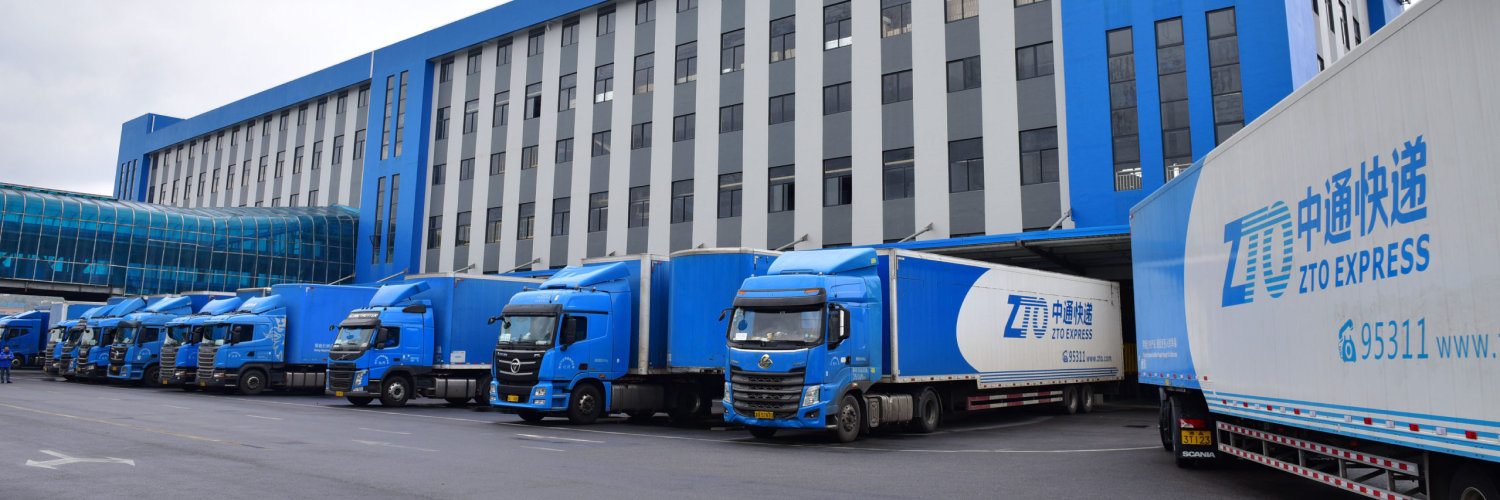
In the bustling landscape of China's logistics and delivery sector, ZTO Express (Cayman) Inc. has carved a formidable presence. Founded in 2002 in Shanghai, ZTO Express capitalized on the maturing e-commerce market, riding the wave of China's digital retail boom. The company operates primarily in the express delivery services, adeptly managing an expansive network that integrates air, rail, and road haulage. It efficiently distributes parcels across China's vast territories, and increasingly to international destinations. ZTO's operational prowess is bolstered by a franchising model—a strategic masterstroke that empowers local entrepreneurs as delivery partners, thus enabling scalability and efficient last-mile delivery without the weighted investment in infrastructure ownership.
Central to ZTO's business model is its revenue stream from parcel delivery services, supplemented by logistics and value-added services. The company's income hinges on volume, driven by China's e-commerce giants like Alibaba, which it counts among its key clients. By leveraging technology and analytics, ZTO maximizes route optimization and ensures a seamless logistical workflow, translating into reduced costs and enhanced delivery speeds. This strategic alignment with e-commerce giants, alongside a commitment to innovation and operational efficiency, allows ZTO Express to capture significant market share, making it one of the leading express delivery companies in the world.

In the bustling landscape of China's logistics and delivery sector, ZTO Express (Cayman) Inc. has carved a formidable presence. Founded in 2002 in Shanghai, ZTO Express capitalized on the maturing e-commerce market, riding the wave of China's digital retail boom. The company operates primarily in the express delivery services, adeptly managing an expansive network that integrates air, rail, and road haulage. It efficiently distributes parcels across China's vast territories, and increasingly to international destinations. ZTO's operational prowess is bolstered by a franchising model—a strategic masterstroke that empowers local entrepreneurs as delivery partners, thus enabling scalability and efficient last-mile delivery without the weighted investment in infrastructure ownership.
Central to ZTO's business model is its revenue stream from parcel delivery services, supplemented by logistics and value-added services. The company's income hinges on volume, driven by China's e-commerce giants like Alibaba, which it counts among its key clients. By leveraging technology and analytics, ZTO maximizes route optimization and ensures a seamless logistical workflow, translating into reduced costs and enhanced delivery speeds. This strategic alignment with e-commerce giants, alongside a commitment to innovation and operational efficiency, allows ZTO Express to capture significant market share, making it one of the leading express delivery companies in the world.
Volume Growth: ZTO's parcel volume grew 9.8% year-over-year to 9.57 billion parcels in Q3, maintaining a strong position in China's express delivery market.
Revenue: Total revenue rose 11.1% year-over-year to RMB 11.9 billion, driven by both higher volume and a modest increase in pricing.
Profitability: Adjusted net income increased by 5% to RMB 2.51 billion, while gross margin and operating margin declined due to higher costs and shifts in business mix.
Cost Trends: Combined unit cost of transportation and sorting decreased by RMB 0.05 year-over-year, helped by smart technology and efficiency efforts.
Guidance Lowered: Full-year volume guidance was revised down to 38.2–38.7 billion parcels, implying annual growth of 12.3% to 13.8%, reflecting slower industry growth and market uncertainty.
Industry Changes: Management highlighted stabilization in industry pricing due to government policies against irrational price competition and a strategic shift toward higher quality and service.
CapEx Outlook: Capital expenditures in Q3 were RMB 1.2 billion, with full-year guidance of RMB 5.5–6 billion.
