

Vulcan Materials Co
F:VMC



Decide at what price you'd be comfortable buying and we'll help you stay ready.
|
V
|
Vulcan Materials Co
F:VMC
|
US |
Vulcan Materials Co
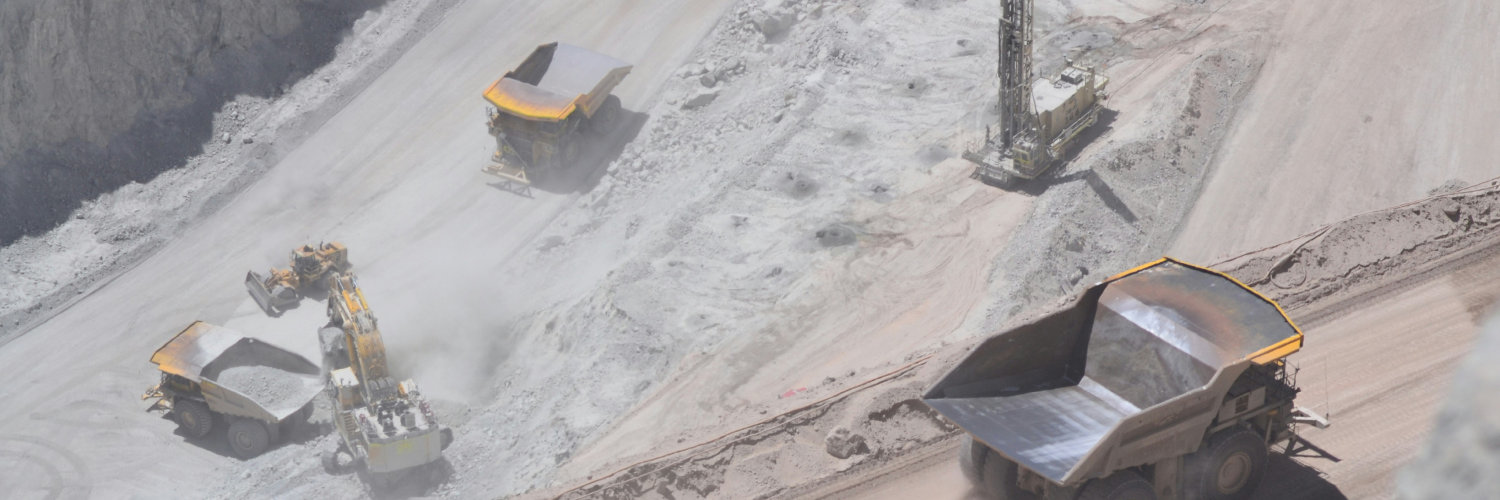
Vulcan Materials makes the basic materials that go into roads, highways, bridges, subdivisions, and commercial buildings. Its core products are crushed stone, sand, gravel, and asphalt mix, along with related construction materials. The company is a key supplier at the start of the building process, before contractors can pave, pour, or build. Its main customers are construction companies, infrastructure contractors, ready-mix concrete producers, and public agencies that buy materials for transportation projects. Vulcan usually sells by the ton or by the load and often delivers materials from quarries, plants, and terminals close to the job site. That local footprint matters because hauling heavy rock and asphalt over long distances is expensive, so customers tend to buy from nearby suppliers. The business makes money by extracting rock from quarries, processing it, and selling heavy-volume materials that are hard to replace and costly to transport. Its role in the industry is different because it sits near the base of the construction supply chain: when a region builds roads or grows housing, Vulcan’s materials are often among the first things needed. That makes it a steady, infrastructure-linked business tied to local construction demand and public works spending.

Vulcan Materials makes the basic materials that go into roads, highways, bridges, subdivisions, and commercial buildings. Its core products are crushed stone, sand, gravel, and asphalt mix, along with related construction materials. The company is a key supplier at the start of the building process, before contractors can pave, pour, or build.
Its main customers are construction companies, infrastructure contractors, ready-mix concrete producers, and public agencies that buy materials for transportation projects. Vulcan usually sells by the ton or by the load and often delivers materials from quarries, plants, and terminals close to the job site. That local footprint matters because hauling heavy rock and asphalt over long distances is expensive, so customers tend to buy from nearby suppliers.
The business makes money by extracting rock from quarries, processing it, and selling heavy-volume materials that are hard to replace and costly to transport. Its role in the industry is different because it sits near the base of the construction supply chain: when a region builds roads or grows housing, Vulcan’s materials are often among the first things needed. That makes it a steady, infrastructure-linked business tied to local construction demand and public works spending.
Results: Vulcan posted $654 million of adjusted EBITDA, roughly flat with last year despite almost $40 million of energy headwinds, and management said first-half execution was strong.
Pricing: Mix-adjusted aggregates prices rose 5% year over year, and management said pricing should keep improving in the second half as it works through midyear increases.
Demand: Shipments were up 1% year over year in Q2, with weather disrupting volumes, but the company still expects modest full-year shipment growth in 2026.
Outlook: Vulcan reaffirmed full-year adjusted EBITDA guidance of $2.4 billion to $2.6 billion and expects capital spending of $750 million to $800 million.
Costs: Diesel was a major headwind, but management said operating discipline helped offset it and that the back half of the year should show better cost performance.
Portfolio: The company continued to reshape its portfolio with divestitures in California and the U.S. Virgin Islands and the Brannan acquisition in Colorado and Dallas-Fort Worth.
Arbitration: Vulcan said its NAFTA arbitration against Mexico found multiple violations, but the damages award was immaterial.