

Transurban Group
F:TU9



Decide at what price you'd be comfortable buying and we'll help you stay ready.
|
T
|
Transurban Group
F:TU9
|
AU |
Transurban Group
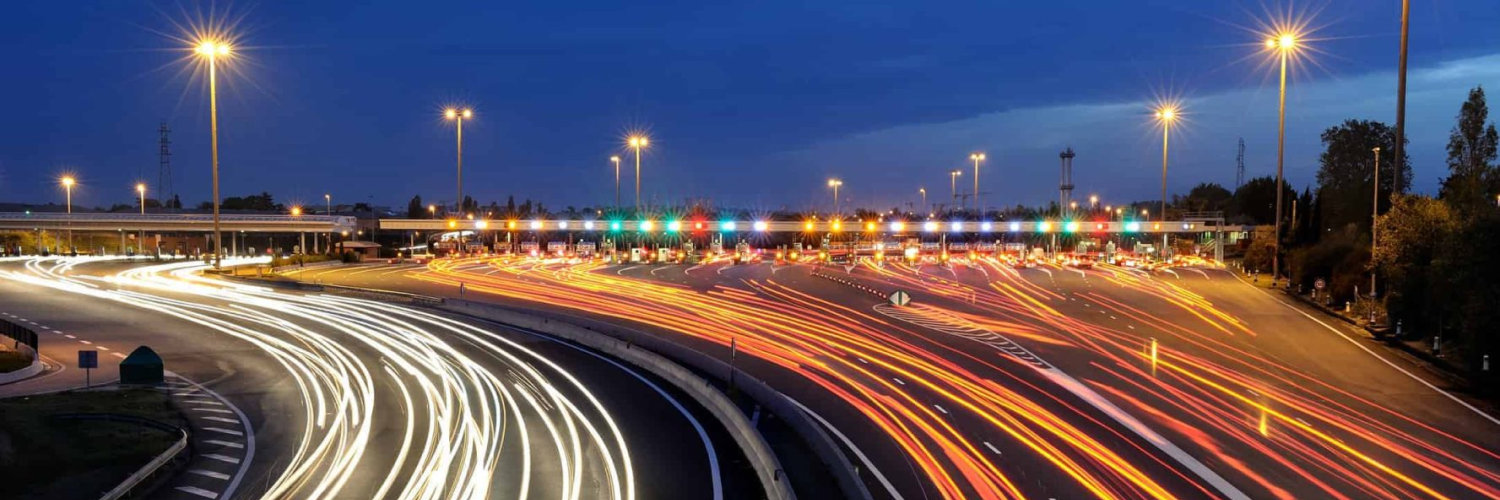
Transurban Group builds, owns, and runs toll roads in major cities, mostly in Australia and North America. It collects tolls from drivers using its roads, and it also earns money from services tied to those roads, such as traffic management, road operations, and infrastructure projects. In simple terms, Transurban makes money by charging vehicles for faster, more reliable routes that are hard to replace. Its customers are everyday drivers, commercial fleets, freight operators, and public agencies that rely on these roads to keep cities moving. Transurban’s business depends on long-life infrastructure that is expensive to build, tightly regulated, and usually backed by government concessions that give it the right to collect tolls for a set period. That makes it different from a normal road contractor: it is not just building roads, it is also the long-term operator and toll collector. This model gives Transurban a steady role in the transport system. It sits between governments, which need major roads financed and maintained, and road users, who pay for convenience, speed, and reduced congestion. Because its income comes from toll collection and related road operations, Transurban is best understood as a transportation infrastructure owner and operator rather than a traditional construction company.

Transurban Group builds, owns, and runs toll roads in major cities, mostly in Australia and North America. It collects tolls from drivers using its roads, and it also earns money from services tied to those roads, such as traffic management, road operations, and infrastructure projects. In simple terms, Transurban makes money by charging vehicles for faster, more reliable routes that are hard to replace.
Its customers are everyday drivers, commercial fleets, freight operators, and public agencies that rely on these roads to keep cities moving. Transurban’s business depends on long-life infrastructure that is expensive to build, tightly regulated, and usually backed by government concessions that give it the right to collect tolls for a set period. That makes it different from a normal road contractor: it is not just building roads, it is also the long-term operator and toll collector.
This model gives Transurban a steady role in the transport system. It sits between governments, which need major roads financed and maintained, and road users, who pay for convenience, speed, and reduced congestion. Because its income comes from toll collection and related road operations, Transurban is best understood as a transportation infrastructure owner and operator rather than a traditional construction company.
Revenue Growth: Transurban reported a 6.4% increase in proportional toll revenue, reaching almost $2 billion, driven by traffic growth in all markets and new capacity coming online.
Margin Expansion: Operating EBITDA margin improved by 30 basis points, and both Melbourne and Brisbane saw strong and, in Brisbane's case, sustainable margin gains.
Cost Discipline: Operating costs rose only 1.5% over two years (compared to 1H FY24), staying well below cumulative inflation, with cost growth for FY26 expected to remain below inflation, excluding new assets.
Distribution Guidance: Distributions per security grew 6.3% for the half and guidance for FY26 was maintained at 6.2% growth, with the full-year distribution expected to be $0.69 and comfortably covered by free cash.
Strong Free Cash: Free cash increased 2.4% in the half despite timing impacts from financing costs, with 102% coverage of distributions and normalization expected in the second half.
Major Projects Delivered: The West Gate Tunnel in Melbourne and the 495 Northern Extension in Virginia both opened on track, delivering immediate traffic benefits and long-term growth potential.
North America Outperformance: The North American business delivered a step change in free cash, matching the prior full year in just one half, with continued price optimization and strong traffic.
Robust Balance Sheet: Corporate liquidity sits at $3 billion with an additional $2.5 billion of balance sheet capacity, supporting current projects and future growth opportunities.
