

TTM Technologies Inc
F:TT1



Decide at what price you'd be comfortable buying and we'll help you stay ready.

|
TTM Technologies Inc
F:TT1
|
US |

|
BAE Systems PLC
OTC:BAESF
|
UK |

|
Harmony Gold Mining Company Ltd
OTC:HGMCF
|
ZA |
|
L
|
LKQ Corp
LSE:0JSJ
|
US |

|
Koninklijke Ahold Delhaize NV
LSE:0RI8
|
NL |

|
Adecoagro SA
NYSE:AGRO
|
LU |

|
Logitech International SA
NASDAQ:LOGI
|
CH |
|
N
|
National Grid PLC
SWB:NNGF
|
UK |
|
A
|
AstraZeneca PLC
F:ZEGA
|
UK |
|
U
|
US Foods Holding Corp
SWB:UFH
|
US |
|
N
|
Norsk Hydro ASA
XHAM:NOH1
|
NO |
|
A
|
Applied Materials Inc
BMV:AMAT
|
US |

|
LG Display Co Ltd
KRX:034220
|
KR |

|
Schneider Electric SE
PAR:SU
|
FR |
TTM Technologies Inc
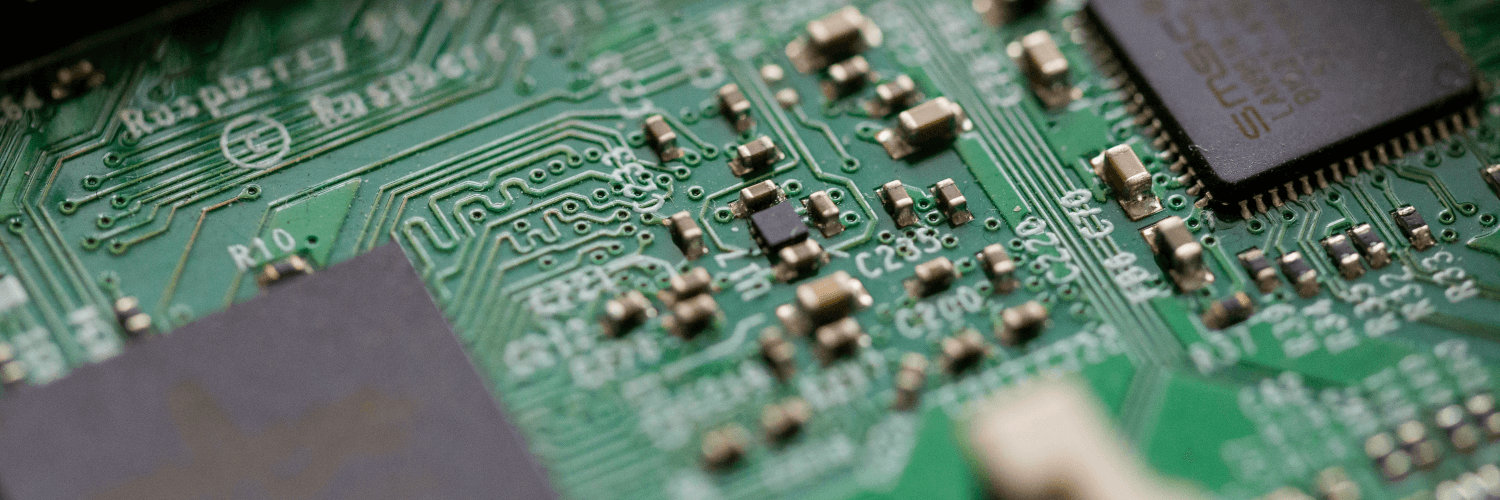
TTM Technologies makes printed circuit boards and other electronic interconnect products that help electronic systems carry signals and power between chips, components, and antennas. It also builds RF and microwave assemblies and related parts used in demanding systems where performance and reliability matter, such as radar, satellites, communications gear, medical devices, industrial equipment, and vehicles. The company sells mainly to original equipment makers and contract manufacturers that build finished electronics, plus defense and aerospace customers that need specialized, high-reliability hardware. TTM earns money by manufacturing these parts to customer specifications and charging for design support, fabrication, assembly, and testing. In many cases, it is an important middle step in the electronics supply chain rather than a consumer brand. What makes TTM’s business different is that it focuses on complex, high-mix products where engineering and manufacturing quality matter more than volume alone. A large part of its business serves markets that require tight tolerances, advanced materials, and long product lifecycles, which can make customer relationships sticky and the products harder to replace with generic alternatives.

TTM Technologies makes printed circuit boards and other electronic interconnect products that help electronic systems carry signals and power between chips, components, and antennas. It also builds RF and microwave assemblies and related parts used in demanding systems where performance and reliability matter, such as radar, satellites, communications gear, medical devices, industrial equipment, and vehicles.
The company sells mainly to original equipment makers and contract manufacturers that build finished electronics, plus defense and aerospace customers that need specialized, high-reliability hardware. TTM earns money by manufacturing these parts to customer specifications and charging for design support, fabrication, assembly, and testing. In many cases, it is an important middle step in the electronics supply chain rather than a consumer brand.
What makes TTM’s business different is that it focuses on complex, high-mix products where engineering and manufacturing quality matter more than volume alone. A large part of its business serves markets that require tight tolerances, advanced materials, and long product lifecycles, which can make customer relationships sticky and the products harder to replace with generic alternatives.
Strong quarter: TTM reported record quarterly revenue of $846 million, up 30% year over year, and record non-GAAP EPS of $0.75, both above guidance.
AI demand: Data center and networking sales rose 61% year over year as demand for AI-driven infrastructure accelerated, and management said it expects that momentum to continue.
A&D strength: Aerospace and defense made up 40% of sales, grew 11% year over year, and ended with a $1.6 billion program backlog and a 1.1 book-to-bill.
CapEx raised: Full-year capital spending is now expected to be $300 million to $320 million, up from a prior range centered around $250 million, as TTM accelerates investment to keep pace with demand.
Margins improved: Gross margin rose to 22.3% and operating margin to 12.8%, helped by higher volume, favorable mix, and operating discipline.
Outlook upbeat: Second-quarter guidance calls for sales of $930 million to $970 million and EPS of $0.82 to $0.88, with management saying first-half growth should carry into the second half.
