

Tidewater Inc
F:TD9



Decide at what price you'd be comfortable buying and we'll help you stay ready.
|
T
|
Tidewater Inc
F:TD9
|
US |
|
C
|
Capcom Co Ltd
SWB:CPK
|
JP |
|
S
|
Syrma SGS Technology Ltd
BSE:543573
|
IN |
|
G
|
Genpact Ltd
SWB:35G
|
BM |

|
Telkom Indonesia (Persero) Tbk PT
F:PTI
|
ID |

|
Netcall PLC
OTC:NCLLF
|
UK |
|
O
|
OPKO Health Inc
TASE:OPK
|
US |

|
Freehold Royalties Ltd
TSX:FRU
|
CA |
|
A
|
Agricultural Bank of China Ltd
XHAN:EK7
|
CN |
|
C
|
China Taiping Insurance Holdings Co Ltd
F:HIUC
|
HK |
|
E
|
Emergent BioSolutions Inc
XBER:ER4
|
US |
Tidewater Inc
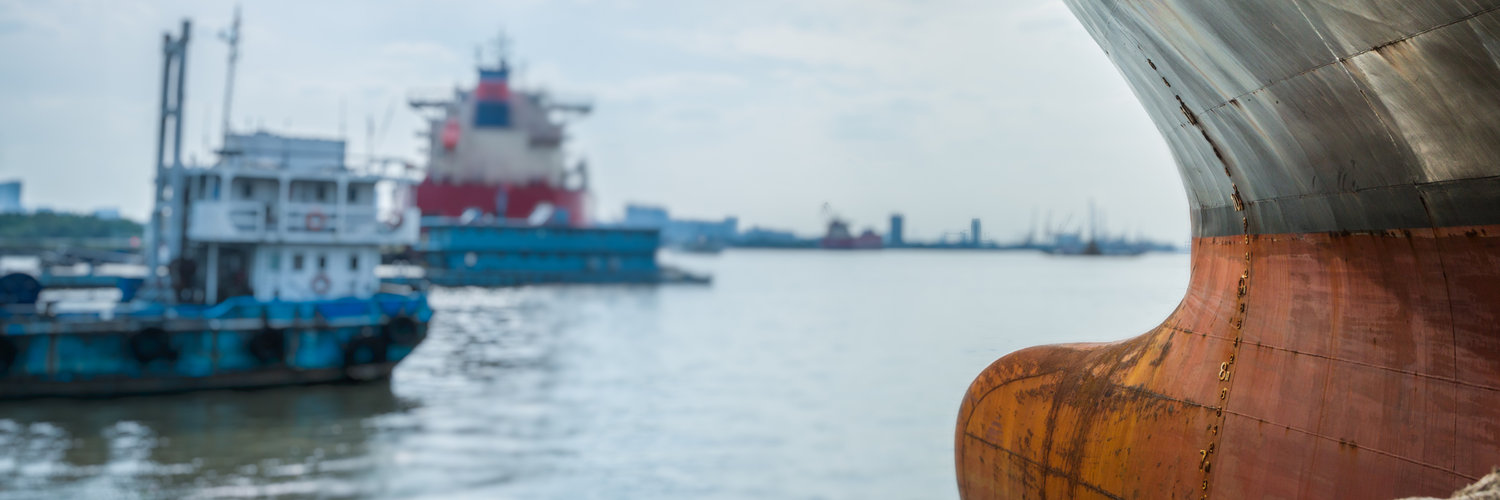
Tidewater Inc. owns and operates offshore support vessels that move people, equipment, supplies, and other cargo between shore and oil and gas fields at sea. Its fleet works mainly for energy companies, helping them drill, build, maintain, and service offshore wells and platforms. The company also supports other marine projects that need specialized offshore transport and logistics. It makes money by chartering vessels to customers, usually under daily hire or contract arrangements. Customers pay for access to the ships, crews, and marine services rather than buying the vessels themselves. That makes Tidewater a service provider in the offshore energy supply chain, not an oil producer. What sets the business apart is that offshore work depends on specialized ships, experienced crews, and reliable operations in harsh conditions. Tidewater’s role is to be the marine link between shore and offshore assets, where timing and safety matter a lot. Its business tends to move with offshore activity, but its core product is the same: purpose-built vessels and the crews that run them.

Tidewater Inc. owns and operates offshore support vessels that move people, equipment, supplies, and other cargo between shore and oil and gas fields at sea. Its fleet works mainly for energy companies, helping them drill, build, maintain, and service offshore wells and platforms. The company also supports other marine projects that need specialized offshore transport and logistics.
It makes money by chartering vessels to customers, usually under daily hire or contract arrangements. Customers pay for access to the ships, crews, and marine services rather than buying the vessels themselves. That makes Tidewater a service provider in the offshore energy supply chain, not an oil producer.
What sets the business apart is that offshore work depends on specialized ships, experienced crews, and reliable operations in harsh conditions. Tidewater’s role is to be the marine link between shore and offshore assets, where timing and safety matter a lot. Its business tends to move with offshore activity, but its core product is the same: purpose-built vessels and the crews that run them.
Beat: Tidewater said first-quarter revenue of $326.2 million and gross margin of 48.8% came in ahead of internal expectations, helped by higher utilization and stronger day rates.
Conflict impact: Operation Epic Fury raised costs, mainly for crew hazard pay, insurance, fuel, and travel, but management said vessel activity in the Middle East remained normal and Q1 revenue was not materially disrupted.
Outlook steady: Full-year 2026 revenue guidance of $1.43 billion to $1.48 billion and gross margin guidance of 49% to 51% were maintained, even with the Middle East cost pressure.
Capital plan: Tidewater still expects to close the $500 million Wilson & Sons offshore tug/PSV deal by the end of the second quarter and continues to favor disciplined M&A and buybacks.
Market tightening: Management described improving offshore demand globally, with tighter supply, stronger drilling activity, and a view that day rates can rise meaningfully into 2026 and 2027.
