

SMCP SA
F:SFC



Decide at what price you'd be comfortable buying and we'll help you stay ready.

|
SMCP SA
F:SFC
|
FR |
|
R
|
Rio Tinto PLC
NYSE:RIO
|
UK |

|
Bank of New York Mellon Corp
NYSE:BK
|
US |
|
H
|
Halliburton Co
DUS:HAL
|
US |
|
F
|
Fifth Third Bancorp
F:FFH
|
US |

|
LTIMindtree Ltd
NSE:LTM
|
IN |

|
Simona AG
F:SIM0
|
DE |
|
F
|
Fluent Inc
F:7TM
|
US |
|
C
|
Chemours Co
XETRA:2CU
|
US |

|
ANTA Sports Products Ltd
OTC:ANPDF
|
CN |
|
L
|
Landmark Cars Ltd
BSE:543714
|
IN |
|
P
|
Public Service Enterprise Group Inc
XMUN:PSE
|
US |
|
D
|
Dai-ichi Life Holdings Inc
XBER:QHH
|
JP |
|
H
|
Hilton Grand Vacations Inc
F:HIE
|
US |

|
Industrias Penoles SAB de CV
F:4FO
|
MX |
SMCP SA
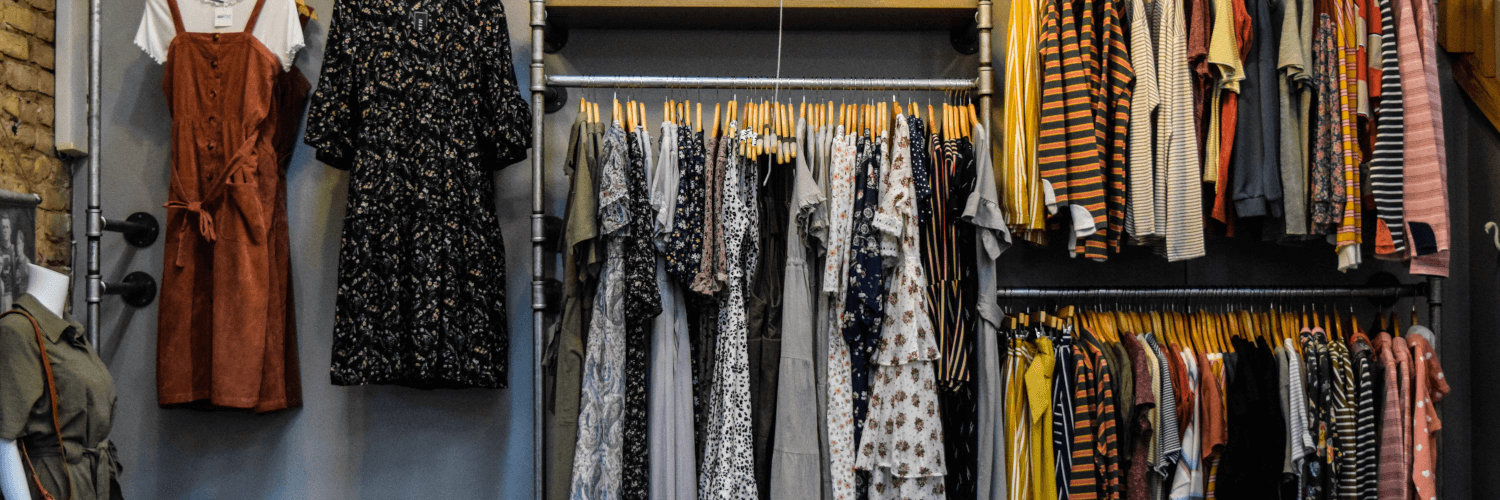
SMCP SA is a French fashion group that designs, markets, and sells premium clothing and accessories under brands such as Sandro, Maje, Claudie Pierlot, and Fursac. It focuses on ready-to-wear pieces, shoes, bags, and accessories that sit between mass-market fashion and luxury labels, aimed at customers who want style and brand identity without buying top-end couture. The company makes money by selling through its own stores, e-commerce sites, and wholesale partners such as department stores and other retailers. Its main customers are style-conscious men and women in urban markets who shop for branded fashion for work, everyday wear, and special occasions. Because it controls both brand design and retail distribution, SMCP can shape how its labels are presented and priced. What makes SMCP’s business model distinct is that it is built around a small group of clearly positioned brands rather than one large general clothing line. Each label has its own look and customer base, but they share the same company resources for sourcing, logistics, and store development. That gives SMCP a focused role in the fashion value chain: it turns brand design and merchandising into products that are sold directly to consumers and through selected retail partners.

SMCP SA is a French fashion group that designs, markets, and sells premium clothing and accessories under brands such as Sandro, Maje, Claudie Pierlot, and Fursac. It focuses on ready-to-wear pieces, shoes, bags, and accessories that sit between mass-market fashion and luxury labels, aimed at customers who want style and brand identity without buying top-end couture.
The company makes money by selling through its own stores, e-commerce sites, and wholesale partners such as department stores and other retailers. Its main customers are style-conscious men and women in urban markets who shop for branded fashion for work, everyday wear, and special occasions. Because it controls both brand design and retail distribution, SMCP can shape how its labels are presented and priced.
What makes SMCP’s business model distinct is that it is built around a small group of clearly positioned brands rather than one large general clothing line. Each label has its own look and customer base, but they share the same company resources for sourcing, logistics, and store development. That gives SMCP a focused role in the fashion value chain: it turns brand design and merchandising into products that are sold directly to consumers and through selected retail partners.
Revenue Decline: Half-year sales were EUR 585 million, down 3.6% at constant FX and 5.5% like-for-like, mainly due to weakness in China.
Margin Improvement: Gross margin improved by over 1 point to above 74% thanks to lower discounting and inventory control.
China Headwinds: Greater China sales fell 20% organically, with 30 store closures in H1 and 40 more planned, impacting overall sales.
Net Debt Progress: Net debt dropped to EUR 293 million, EUR 13 million lower than last year, supported by tight inventory and CapEx control.
Brand Strength Outside China: Sandro and Maje performed well in all regions except China; Europe, France, and America showed resilient trends.
Positive Outlook for H2: Management expects more favorable comps from August and early success with fall/winter collections.
Restructuring Costs: EUR 2 million in restructuring charges were recorded in H1, with some ongoing impact in H2.
