
Pro Medicus Ltd
F:PMC



Decide at what price you'd be comfortable buying and we'll help you stay ready.
|
P
|
Pro Medicus Ltd
F:PMC
|
AU |

|
Scor SE
PAR:SCR
|
FR |

|
Blend Labs Inc
NYSE:BLND
|
US |
Pro Medicus Ltd
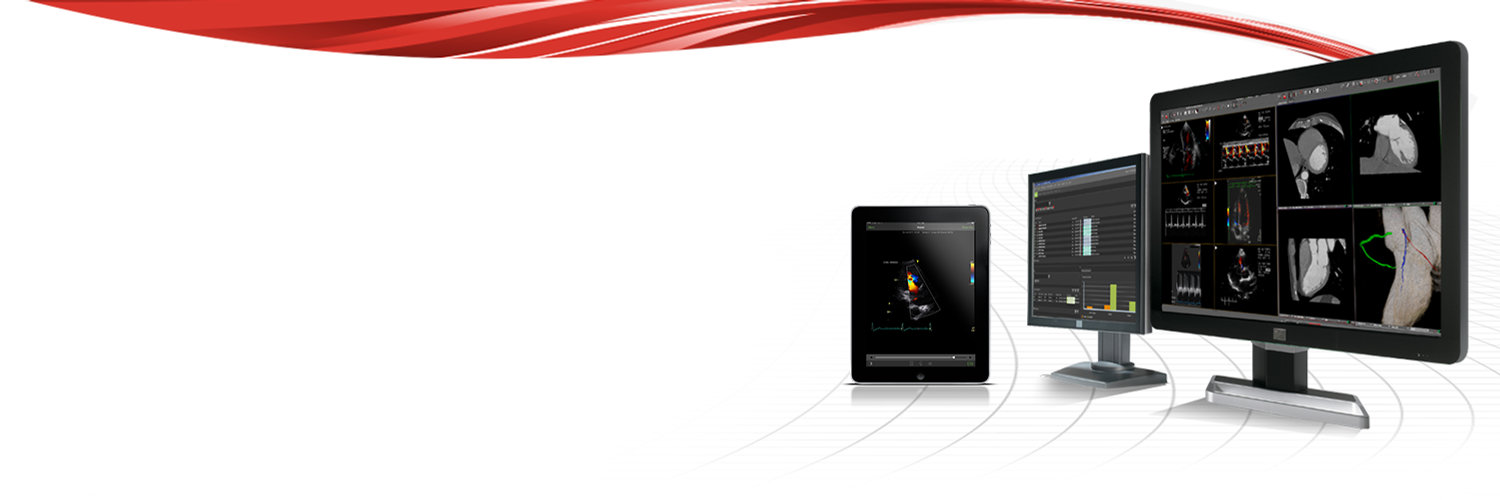
Pro Medicus makes medical imaging software for hospitals, radiology groups, and other healthcare providers. Its main product is Visage, a system that helps doctors store, view, share, and interpret scans such as X-rays, CTs, and MRIs on fast digital workstations and cloud-based setups. The company does not sell medical devices or run clinics; it sells software that sits in the workflow between imaging equipment and the clinicians who read the images. The company earns money mainly by licensing its software and charging customers for implementation, support, and ongoing use. Its customers are large health systems and imaging networks that need reliable tools to handle heavy imaging volumes and connect many users across sites. Because the software is used in daily clinical work, contracts can be sticky once installed. What makes Pro Medicus different is that it focuses on a narrow but critical part of healthcare IT: making medical images load quickly, scale across large hospital networks, and fit into existing reading workflows. That puts it in the role of a specialized infrastructure vendor rather than a broad hospital software supplier. Its business depends on winning long-term relationships with large healthcare buyers that value speed, reliability, and integration with their imaging systems.
Pro Medicus makes medical imaging software for hospitals, radiology groups, and other healthcare providers. Its main product is Visage, a system that helps doctors store, view, share, and interpret scans such as X-rays, CTs, and MRIs on fast digital workstations and cloud-based setups. The company does not sell medical devices or run clinics; it sells software that sits in the workflow between imaging equipment and the clinicians who read the images.
The company earns money mainly by licensing its software and charging customers for implementation, support, and ongoing use. Its customers are large health systems and imaging networks that need reliable tools to handle heavy imaging volumes and connect many users across sites. Because the software is used in daily clinical work, contracts can be sticky once installed.
What makes Pro Medicus different is that it focuses on a narrow but critical part of healthcare IT: making medical images load quickly, scale across large hospital networks, and fit into existing reading workflows. That puts it in the role of a specialized infrastructure vendor rather than a broad hospital software supplier. Its business depends on winning long-term relationships with large healthcare buyers that value speed, reliability, and integration with their imaging systems.
Record Results: Pro Medicus reported its most successful half ever, with revenue up 28.4% and underlying EBIT up about 30%, both reaching record highs.
Contract Momentum: The company secured 7 new contracts totaling $280 million at minimums, nearly matching its previous annual sales in just six months.
Strong Pipeline & Implementation: Major implementations, especially the Trinity contract, are on track, with revenue expected to accelerate in the second half as more cohorts go live.
Margin Expansion: EBIT margins increased year-over-year, though management guided for only modest further improvement going forward.
AI & Product Expansion: AI is seen as an opportunity, not a threat, and new products in cardiology and pathology are gaining traction, with cardiology expected to be a significant contributor.
Cloud Leadership: All new US implementations are cloud-based, and management says Pro Medicus remains the only truly cloud-native vendor in the market.
Shareholder Returns: Interim dividend was raised 28% to $0.32 per share; the company maintained buyback activity and reported a $149 million unrealized gain on its 4DMedical investment.
Second Half Outlook: Management expects a stronger second half due to stepped-up contributions from large contract wins and continued momentum in the sales pipeline.