

Mattel Inc
F:MTT



Decide at what price you'd be comfortable buying and we'll help you stay ready.
|
M
|
Mattel Inc
F:MTT
|
US |
|
B
|
Baidu Inc
DUS:B1CB
|
CN |
|
B
|
Belden Inc
F:QCTA
|
US |
|
C
|
Constellation Brands Inc
DUS:CB1A
|
US |

|
Ameris Bancorp
NASDAQ:ABCB
|
US |

|
Nippon Sanso Holdings Corp
F:NPX
|
JP |

|
Tenable Holdings Inc
LSE:0ZC0
|
US |
|
B
|
Burlington Stores Inc
SWB:BUI
|
US |

|
Eagle Materials Inc
F:E5M
|
US |

|
Trupanion Inc
NASDAQ:TRUP
|
US |
|
M
|
MGIC Investment Corp
XBER:MGC
|
US |
|
M
|
MS&AD Insurance Group Holdings Inc
DUS:59M
|
JP |
|
M
|
Mondi PLC
JSE:MNP
|
UK |
|
C
|
Corning Inc
F:GLW
|
US |

|
Alignment Healthcare LLC
NASDAQ:ALHC
|
US |

|
ICICI Bank Ltd
BSE:532174
|
IN |
Mattel Inc
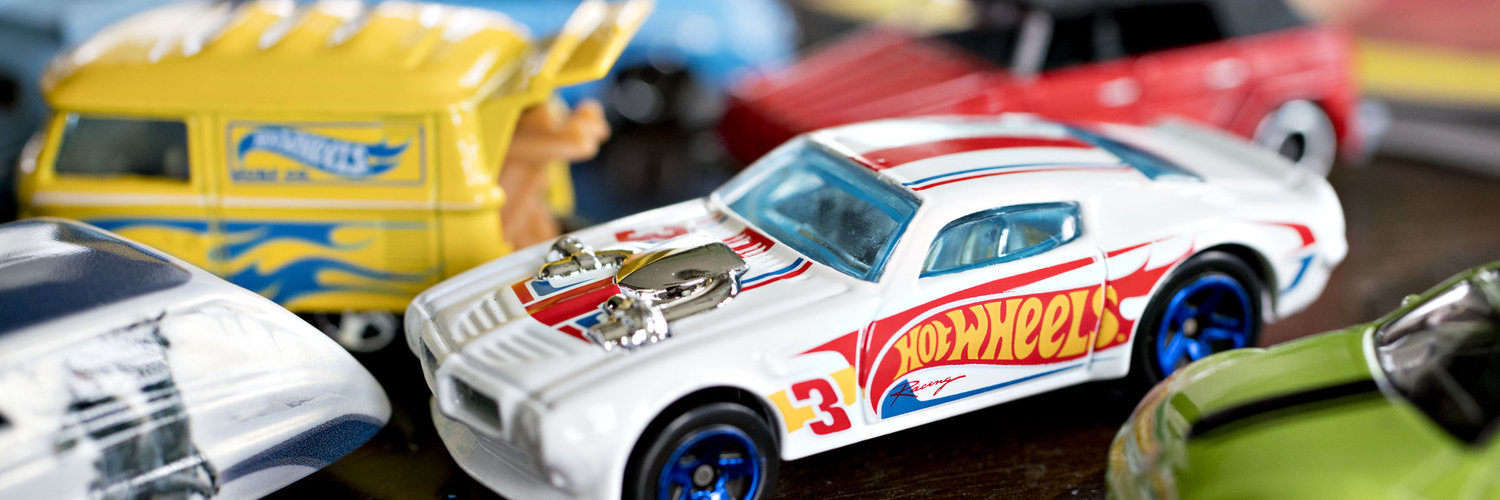
Mattel makes toys and family entertainment products. Its best-known brands include Barbie, Hot Wheels, Fisher-Price, American Girl, Thomas & Friends, and Uno. The company designs the products, develops characters and stories around them, and sells them through retailers, wholesalers, and its own direct-to-consumer channels. Mattel’s main customers are children, parents, gift buyers, and fans who buy toys, dolls, games, and collectibles. It also works with movie, TV, and entertainment partners to turn its brands into broader franchises, which helps keep the products relevant beyond the toy aisle. The company earns money mostly by selling physical products, along with licensing its brands and making money from entertainment tied to those brands. What makes Mattel’s business different is that it owns a portfolio of long-lived brands that can be used again and again across toys, games, digital content, and entertainment. Instead of competing only on one product line, it turns characters and brands into repeatable consumer products that are sold through mass retailers, specialty stores, and online channels.

Mattel makes toys and family entertainment products. Its best-known brands include Barbie, Hot Wheels, Fisher-Price, American Girl, Thomas & Friends, and Uno. The company designs the products, develops characters and stories around them, and sells them through retailers, wholesalers, and its own direct-to-consumer channels.
Mattel’s main customers are children, parents, gift buyers, and fans who buy toys, dolls, games, and collectibles. It also works with movie, TV, and entertainment partners to turn its brands into broader franchises, which helps keep the products relevant beyond the toy aisle. The company earns money mostly by selling physical products, along with licensing its brands and making money from entertainment tied to those brands.
What makes Mattel’s business different is that it owns a portfolio of long-lived brands that can be used again and again across toys, games, digital content, and entertainment. Instead of competing only on one product line, it turns characters and brands into repeatable consumer products that are sold through mass retailers, specialty stores, and online channels.
Top line beat: Mattel said first-quarter net sales rose 4% as reported and 1% in constant currency to $862 million, ahead of expectations, with consumer demand described as positive.
Margin pressure: Adjusted gross margin fell 450 basis points to 45.1% because of tariffs, foreign exchange and inflation, and adjusted EPS came in at a loss of $0.20.
Guidance unchanged: Full-year 2026 outlook was reiterated, including constant-currency sales growth of 3% to 6%, adjusted gross margin of about 50%, and adjusted EPS of $1.27 to $1.39.
Brand momentum: Hot Wheels, UNO, Monster High, Masters of the Universe and Mattel Brick Shop were standout growth drivers, while Vehicles gained 13% and Dolls and Infant, Toddler and Preschool weakened.
Digital push: Mattel said it is progressing on self-published mobile games and the integration of Mattel163, and expects strategic investments of about $150 million in 2026 to pay off in 2027 and beyond.
Tariff watch: Management said it is monitoring Middle East disruptions and tariff changes closely, but sees only minimal impact so far and believes 2026 guidance still holds.
Second-quarter improvement: Management said shipping is accelerating so far in Q2, U.S. retailer ordering patterns are stabilizing, and North America is expected to grow in the quarter.
