
Central Japan Railway Co
F:JAP



Decide at what price you'd be comfortable buying and we'll help you stay ready.
|
C
|
Central Japan Railway Co
F:JAP
|
JP |
|
I
|
Inovio Pharmaceuticals Inc
SWB:GBMB
|
US |
|
H
|
Himax Technologies Inc
F:H6Q
|
TW |
|
B
|
Baozun Inc
XBER:2BZA
|
CN |
|
Fresnillo PLC
LSE:FRES
|
MX |

|
AdvanSix Inc
NYSE:ASIX
|
US |
|
A
|
Accredited Solutions Inc
OTC:ASII
|
US |
Central Japan Railway Co
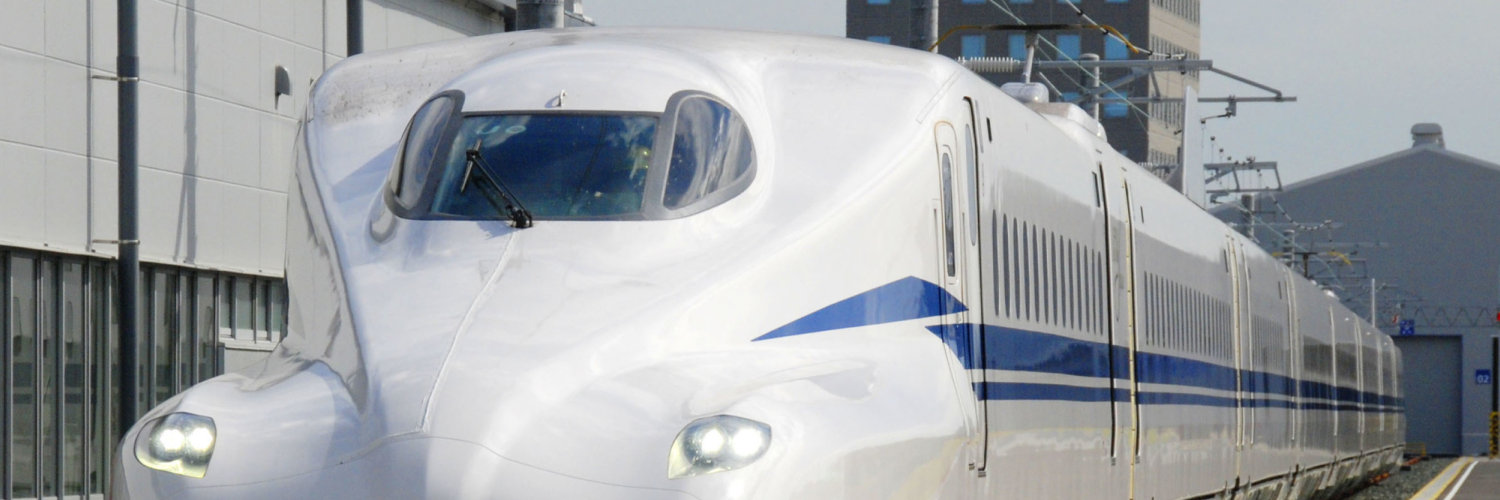
Central Japan Railway Co. is one of Japan’s major passenger rail companies. It runs the Tokaido Shinkansen, the high-speed rail line that connects Tokyo, Nagoya, and Osaka, and it also operates local and regional train services in central Japan. Its core job is to move business travelers, tourists, and commuters safely and on time across one of the country’s busiest travel corridors. The company makes money mainly from fares paid by passengers on its rail services. It also earns income from related businesses such as station retail, real estate around stations, hotels, and other services tied to rail travel. That means it is not just a transport company; it also benefits from the flow of people through major stations and the land it controls around them. What makes Central Japan Railway different is the role of the Shinkansen in Japan’s transport system. The company owns and maintains a critical piece of infrastructure that is hard to replace, and its business is built around running a high-frequency, premium rail line that links major economic centers. For investors, this makes it a mix of transportation operator and infrastructure owner, with demand tied closely to travel between Japan’s largest cities.

Central Japan Railway Co. is one of Japan’s major passenger rail companies. It runs the Tokaido Shinkansen, the high-speed rail line that connects Tokyo, Nagoya, and Osaka, and it also operates local and regional train services in central Japan. Its core job is to move business travelers, tourists, and commuters safely and on time across one of the country’s busiest travel corridors.
The company makes money mainly from fares paid by passengers on its rail services. It also earns income from related businesses such as station retail, real estate around stations, hotels, and other services tied to rail travel. That means it is not just a transport company; it also benefits from the flow of people through major stations and the land it controls around them.
What makes Central Japan Railway different is the role of the Shinkansen in Japan’s transport system. The company owns and maintains a critical piece of infrastructure that is hard to replace, and its business is built around running a high-frequency, premium rail line that links major economic centers. For investors, this makes it a mix of transportation operator and infrastructure owner, with demand tied closely to travel between Japan’s largest cities.