
H & M Hennes & Mauritz AB
F:HMSB



Decide at what price you'd be comfortable buying and we'll help you stay ready.
|
H
|
H & M Hennes & Mauritz AB
F:HMSB
|
SE |
|
I
|
Intel Corp
BMV:INTC
|
US |
|
N
|
Northrop Grumman Corp
DUS:NTH
|
US |

|
Norsk Hydro ASA
OSE:NHY
|
NO |
|
M
|
McEwen Mining Inc
XETRA:US8A
|
CA |

|
MERLIN Properties SOCIMI SA
OTC:MRPRF
|
ES |
H & M Hennes & Mauritz AB
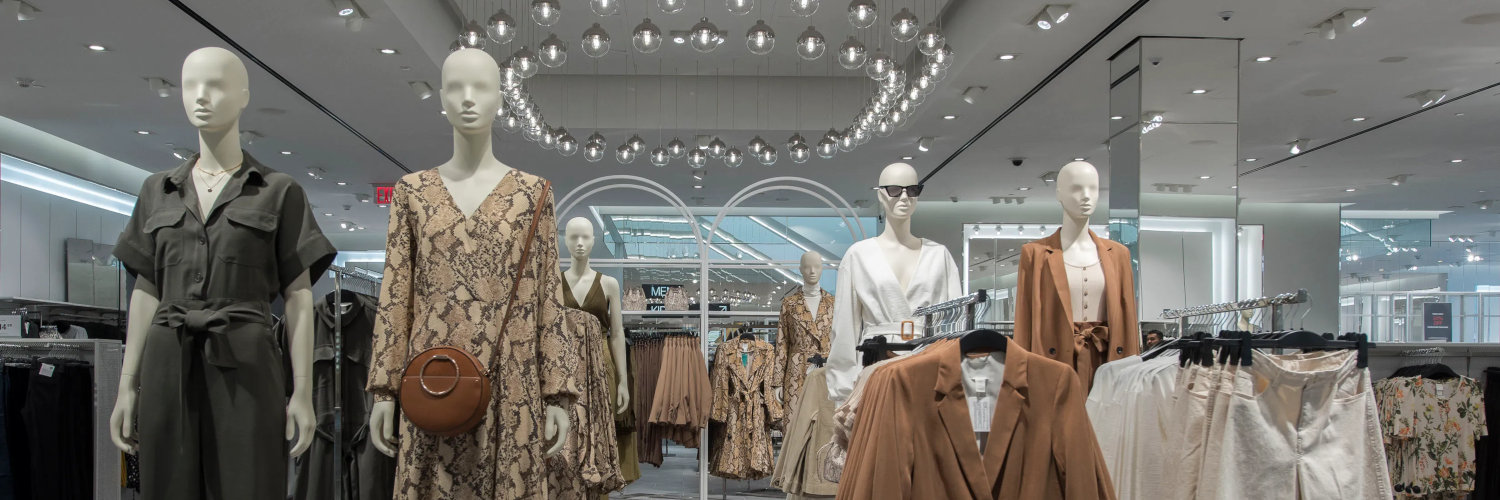
H & M Hennes & Mauritz AB is a global fashion retailer best known for selling clothing, shoes, accessories, and related home products under the H&M brand and several other labels. It designs and sources products from outside suppliers, then sells them through its own stores and online channels to everyday consumers who want trend-led fashion at accessible prices. The company makes money mainly from retail sales. Customers buy directly from H&M’s stores and e-commerce sites, and in some markets the company also earns income from franchise arrangements and other brand-related activities. Its business depends on moving large volumes of seasonal and fast-changing merchandise, so it works closely with suppliers, logistics partners, and store operators to keep products flowing to customers. H&M’s role in the industry is different from that of a pure manufacturer or a luxury brand owner. It sits in the middle of the fashion value chain: it translates runway and street trends into mass-market products, then uses its own retail network to control pricing, presentation, and customer experience. That makes it a scaled, brand-driven retailer focused on turning design, sourcing, and merchandising into repeat store and online sales.
H & M Hennes & Mauritz AB is a global fashion retailer best known for selling clothing, shoes, accessories, and related home products under the H&M brand and several other labels. It designs and sources products from outside suppliers, then sells them through its own stores and online channels to everyday consumers who want trend-led fashion at accessible prices.
The company makes money mainly from retail sales. Customers buy directly from H&M’s stores and e-commerce sites, and in some markets the company also earns income from franchise arrangements and other brand-related activities. Its business depends on moving large volumes of seasonal and fast-changing merchandise, so it works closely with suppliers, logistics partners, and store operators to keep products flowing to customers.
H&M’s role in the industry is different from that of a pure manufacturer or a luxury brand owner. It sits in the middle of the fashion value chain: it translates runway and street trends into mass-market products, then uses its own retail network to control pricing, presentation, and customer experience. That makes it a scaled, brand-driven retailer focused on turning design, sourcing, and merchandising into repeat store and online sales.
Sales Growth: H&M reported Q1 sales growth of 3% in Swedish krona and 2% in local currencies, with particular strength in Germany and Poland, but weaker performance in Northern Europe and the U.S.
Gross Margin Decline: Gross margin fell to 49.1%, negatively affected by external factors, higher markdowns, and investments in the customer offer, though management expects these negative effects to ease in coming quarters.
Operating Profit: Q1 operating profit was SEK 1.2 billion, a weaker result year-on-year, but cost control remained strong.
Inventory Increase: Inventory rose by 9% due to higher purchasing costs and longer transport lead times, but management stressed the inventory mix is healthy and well-positioned for spring and summer.
Digital & Womenswear Strength: Positive momentum continued in womenswear and online sales, with digital stores performing well and sportswear (H&M Move) also showing strong growth.
U.S. Market Challenges: The U.S. remains a key challenge, with sales down 7% last year, but efforts are underway to improve the offering and recover market share.
Guidance & Outlook: Management expects less pressure from external factors and markdowns in Q2 and positive effects from cost and supply chain initiatives in the second half of the year.
Brand Investments: Continued investments in product quality, brand, and customer experience are key strategic priorities, and further upgrades to stores and online platforms are planned for 2025.
