

Geberit AG
F:GBRF



Decide at what price you'd be comfortable buying and we'll help you stay ready.
|
Geberit AG
F:GBRF
|
CH |
|
P
|
Persimmon PLC
OTC:PSMMY
|
UK |
|
Fujitsu General Ltd
TSE:6755
|
JP |
|
U
|
UBE Corp
XMUN:UBE
|
JP |
|
A
|
Apogee Enterprises Inc
XBER:ANP
|
US |

|
Southwest Gas Holdings Inc
F:SZR
|
US |

|
Shoals Technologies Group Inc
NASDAQ:SHLS
|
US |
|
A
|
AutoNation Inc
F:RWI
|
US |
|
D
|
Deutsche Telekom AG
OTC:DTEGY
|
DE |
|
BKW AG
LSE:0QQ0
|
CH |
|
F
|
First Majestic Silver Corp
XETRA:FMV
|
CA |
Geberit AG
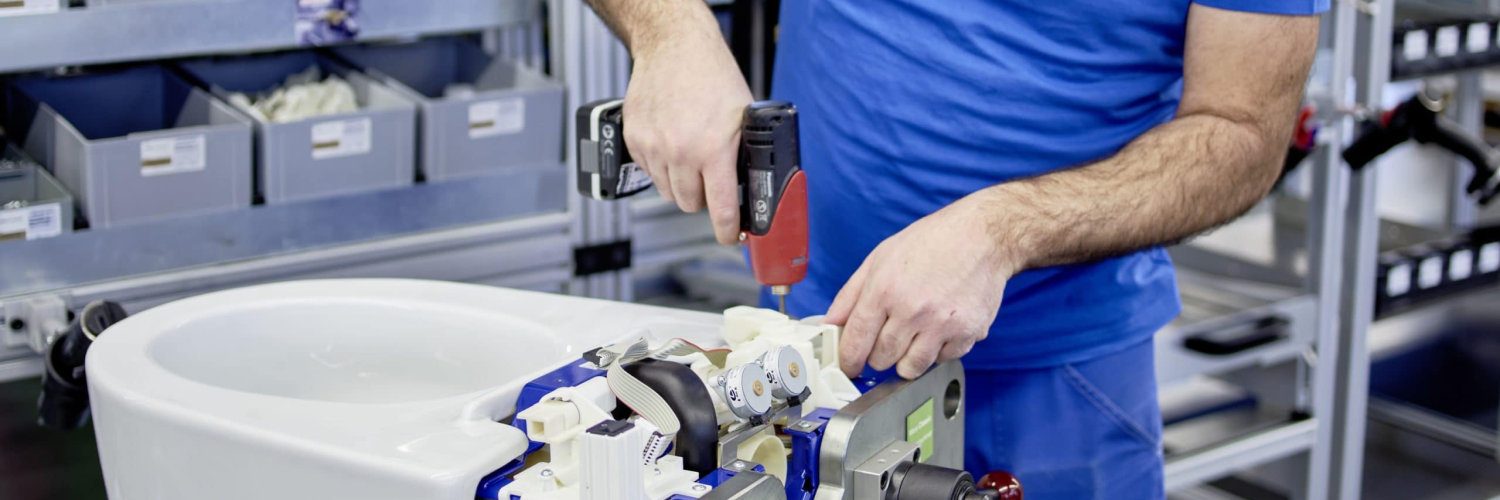
Geberit AG makes the hidden plumbing and bathroom parts that go inside buildings. Its core products include toilet flushing systems, installation frames, pipes, drainage parts, and bathroom ceramics such as toilets and washbasins. The company sells these products mainly to plumbers, sanitary wholesalers, builders, and contractors, who use them in homes, offices, hotels, and other buildings. Geberit makes money by manufacturing these building products and selling them through a network of distributors and professional installers. It is not a consumer brand in the usual sense; most people meet its products behind walls or under floors rather than on store shelves. That gives the company a strong role in the construction and renovation value chain, where reliability and easy installation matter more than flashy design. What makes Geberit different is its focus on complete sanitary systems, not just one-off parts. It pairs technical plumbing components with bathroom ceramics, so it can supply a broader set of items for the same project. This makes it a specialized supplier for the plumbing industry, especially in Europe, where building professionals often look for compatible parts from one trusted source.

Geberit AG makes the hidden plumbing and bathroom parts that go inside buildings. Its core products include toilet flushing systems, installation frames, pipes, drainage parts, and bathroom ceramics such as toilets and washbasins. The company sells these products mainly to plumbers, sanitary wholesalers, builders, and contractors, who use them in homes, offices, hotels, and other buildings.
Geberit makes money by manufacturing these building products and selling them through a network of distributors and professional installers. It is not a consumer brand in the usual sense; most people meet its products behind walls or under floors rather than on store shelves. That gives the company a strong role in the construction and renovation value chain, where reliability and easy installation matter more than flashy design.
What makes Geberit different is its focus on complete sanitary systems, not just one-off parts. It pairs technical plumbing components with bathroom ceramics, so it can supply a broader set of items for the same project. This makes it a specialized supplier for the plumbing industry, especially in Europe, where building professionals often look for compatible parts from one trusted source.
Sales: Geberit reported Q1 net sales growth of 3.4% in local currencies to CHF 873 million, with growth driven equally by volume and price.
Margins: EBITDA margin rose to 32.5%, but management said the improvement was mostly due to one-time costs booked last year; excluding that and currency effects, margins were stable.
Outlook: The company kept its full-year market view broadly unchanged, expecting slight growth in Europe, a mixed picture overseas, and very limited direct impact from the war in Iran.
Pricing: Geberit will raise prices again in June on plastics- and energy-related products, aiming to offset higher input costs; full-year sales price effect is expected to be 2% to 2.5%.
Costs: Management expects direct material prices to rise by mid- to high single digits in Q2 versus Q1 and last year, while wage inflation for the full year is expected to be roughly 3%.
April Trend: Like-for-like sales in April were up mid-single digits, but management said some of that may have been helped by wholesaler prebuying ahead of the June price increase.
