

Bellring Brands Inc
F:D51



Decide at what price you'd be comfortable buying and we'll help you stay ready.
|
B
|
Bellring Brands Inc
F:D51
|
US |
|
Harley-Davidson Inc
NYSE:HOG
|
US |
Bellring Brands Inc
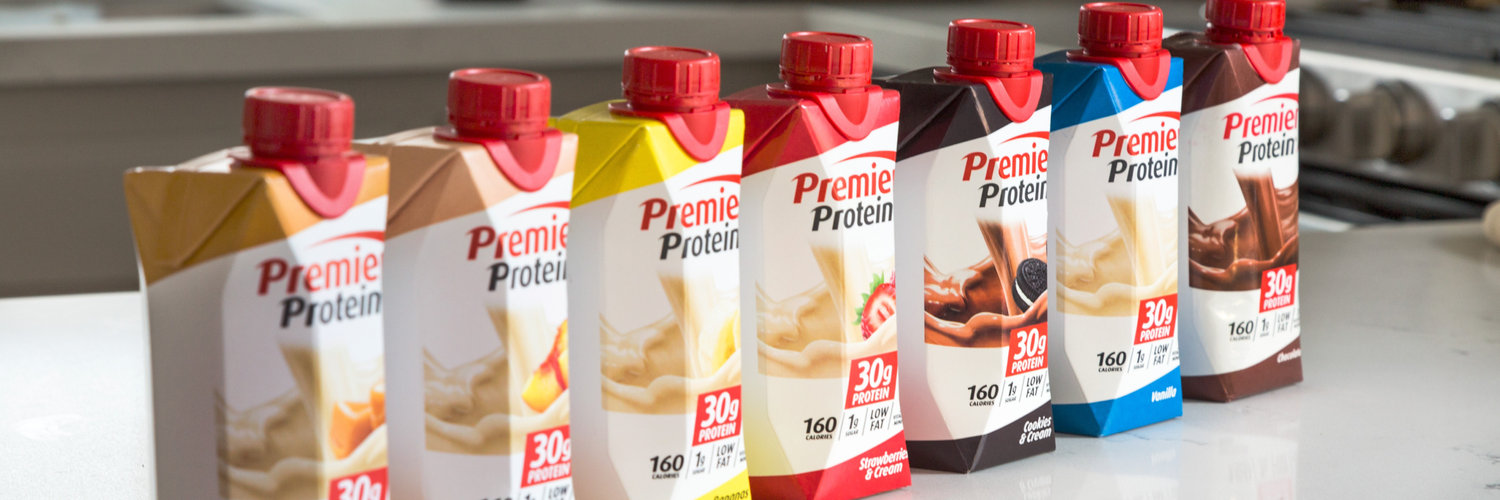
BellRing Brands makes protein-focused nutrition products that people use for meal replacement, snacking, and fitness support. Its best-known brands include Premier Protein and Dymatize, and its products include ready-to-drink shakes, protein powders, and nutrition bars. The company is not a grocery chain or a supplement store; it is a branded food and nutrition maker that sells finished products under its own names. Its main customers are large retailers such as club stores, mass merchants, grocery chains, and online sellers, along with some fitness and specialty channels. BellRing earns money by selling its packaged products to wholesalers and retailers, which then resell them to consumers. In simple terms, it makes the protein products and collects revenue when stores and distributors buy them. What makes BellRing different is its focus on a narrow part of the food aisle: high-protein convenience products that sit between sports nutrition and everyday packaged food. That gives it a role as a brand owner and product developer rather than a raw ingredient supplier. Its business depends on keeping strong consumer brands, winning shelf space, and supplying products that are easy for shoppers to grab and use without preparation.

BellRing Brands makes protein-focused nutrition products that people use for meal replacement, snacking, and fitness support. Its best-known brands include Premier Protein and Dymatize, and its products include ready-to-drink shakes, protein powders, and nutrition bars. The company is not a grocery chain or a supplement store; it is a branded food and nutrition maker that sells finished products under its own names.
Its main customers are large retailers such as club stores, mass merchants, grocery chains, and online sellers, along with some fitness and specialty channels. BellRing earns money by selling its packaged products to wholesalers and retailers, which then resell them to consumers. In simple terms, it makes the protein products and collects revenue when stores and distributors buy them.
What makes BellRing different is its focus on a narrow part of the food aisle: high-protein convenience products that sit between sports nutrition and everyday packaged food. That gives it a role as a brand owner and product developer rather than a raw ingredient supplier. Its business depends on keeping strong consumer brands, winning shelf space, and supplying products that are easy for shoppers to grab and use without preparation.
Results below plan: BellRing said second-quarter results came in below expectations, with net sales up 2% but profitability hit by weaker mix, higher freight, and an $11 million inventory-related charge.
Guidance cut: Full-year net sales outlook was reduced to flat to up 2%, and adjusted EBITDA margin guidance was cut to about 14%, reflecting softer second-half demand, heavier promotions, and higher commodity costs.
Competition rising: Management said the protein shake category is still growing strongly, but competition from insurgent brands has intensified much faster than expected, especially in club, where pricing and promotions are most aggressive.
Promotion pressure: Q2 saw 27% of category volumes sold on promotion, up 8 points year over year, and BellRing said consumers are becoming more price sensitive and more responsive to promoted prices.
Innovation push: The company plans to launch two new products in Q4, Premier Protein Ultimate and Premier Protein Sparkling Soda, and said innovation, advertising and distribution are key to defending share.
Inflation headwinds: Freight, whey protein, and especially non-fat dry milk costs are rising, and management said those pressures will intensify in the second half and may carry into next year.
Long-term view intact: Despite the near-term weakness, management still believes Premier will remain a category leader over time because of its brand strength, repeat purchase behavior and national scale.
