COSCO Shipping Holdings Co Ltd
F:C6G0



Decide at what price you'd be comfortable buying and we'll help you stay ready.

|
COSCO Shipping Holdings Co Ltd
F:C6G0
|
CN |
|
C
|
Cooper Companies Inc
F:CP6
|
US |

|
Pro Medicus Ltd
ASX:PME
|
AU |
|
H
|
Hermes International SCA
XBER:HMI
|
FR |
|
R
|
Resonac Holdings Corp
SWB:SWD
|
JP |

|
Komatsu Ltd
F:KOMA
|
JP |
|
S
|
Sanofi SA
SWB:SNW2
|
FR |
|
H
|
Halliburton Co
XBER:HAL
|
US |

|
Amadeus IT Group SA
LSE:0P2W
|
ES |
|
D
|
Daikin Industries Ltd
OTC:DKILF
|
JP |
|
A
|
Akwel SA
SWB:MW4
|
FR |
|
H
|
Hess Corp
XETRA:AHC
|
US |
COSCO Shipping Holdings Co Ltd
COSCO Shipping Holdings is a global container shipping company. It moves boxed cargo on ocean routes for businesses that need to ship goods across countries and continents. Its main service is transporting containers on ships, and it also has a stake in port terminal operations that help load, unload, and connect those shipments to land transport. Its customers are importers, exporters, manufacturers, retailers, and freight forwarders that book space on its ships. The company makes money mainly by charging freight rates and related fees for moving containers, plus income tied to terminal and port services. In plain terms, it sells transport capacity and the logistics support around that transport. What makes the business model different is that it sits at a key point in global trade: it does not make the goods, but it moves them between production centers, ports, and consumer markets. That makes it a shipping network business with high fixed costs, long-distance international routes, and a strong dependence on trade flows, fuel, and port access.
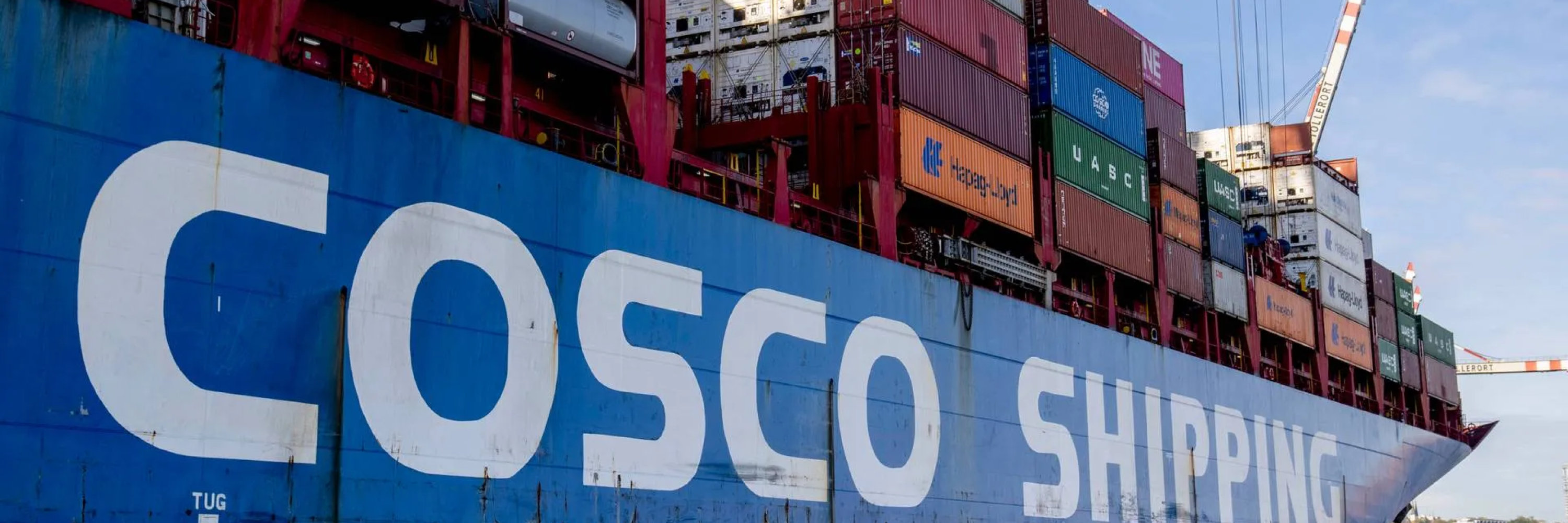
COSCO Shipping Holdings is a global container shipping company. It moves boxed cargo on ocean routes for businesses that need to ship goods across countries and continents. Its main service is transporting containers on ships, and it also has a stake in port terminal operations that help load, unload, and connect those shipments to land transport.
Its customers are importers, exporters, manufacturers, retailers, and freight forwarders that book space on its ships. The company makes money mainly by charging freight rates and related fees for moving containers, plus income tied to terminal and port services. In plain terms, it sells transport capacity and the logistics support around that transport.
What makes the business model different is that it sits at a key point in global trade: it does not make the goods, but it moves them between production centers, ports, and consumer markets. That makes it a shipping network business with high fixed costs, long-distance international routes, and a strong dependence on trade flows, fuel, and port access.