

Sonos Inc
F:8SO



Decide at what price you'd be comfortable buying and we'll help you stay ready.
|
S
|
Sonos Inc
F:8SO
|
US |
|
P
|
Polytec Holding AG
XBER:P4N
|
AT |
Sonos Inc
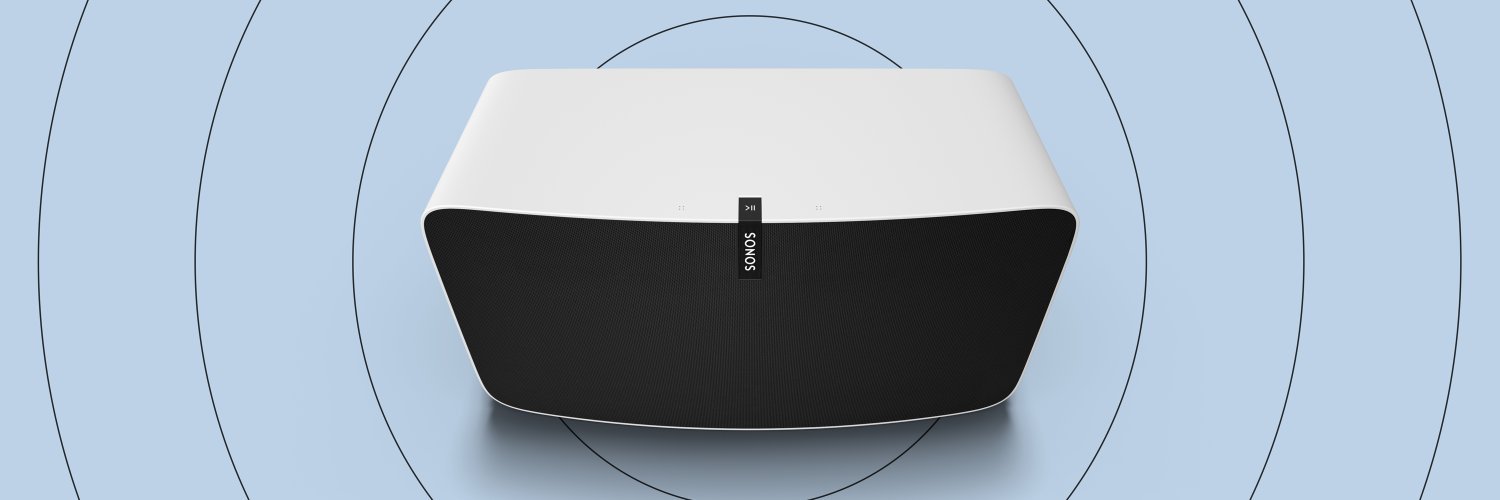
Sonos makes wireless home audio products such as speakers, soundbars, subwoofers, and related accessories. Its systems are built to play music, TV sound, and other audio through a simple app, and they connect with major streaming services and voice assistants. The main customers are households that want easy-to-use, higher-end audio for one room or an entire home, plus some home theater buyers and professional installers. The company makes money mostly by selling hardware. It earns revenue when customers buy speakers and soundbars, and it also sells accessories and replacement parts that go with the main products. Sonos does not rely on a large subscription business; instead, it sells a connected product ecosystem that works best when customers add more Sonos devices over time. What makes Sonos different is that it sits between consumer electronics and software. The hardware is the product people buy, but the app, wireless setup, and room-to-room coordination are what make the system feel unified. That gives Sonos a sticky business model: once a home is built around its ecosystem, customers often come back to the same brand for their next audio purchase.

Sonos makes wireless home audio products such as speakers, soundbars, subwoofers, and related accessories. Its systems are built to play music, TV sound, and other audio through a simple app, and they connect with major streaming services and voice assistants. The main customers are households that want easy-to-use, higher-end audio for one room or an entire home, plus some home theater buyers and professional installers.
The company makes money mostly by selling hardware. It earns revenue when customers buy speakers and soundbars, and it also sells accessories and replacement parts that go with the main products. Sonos does not rely on a large subscription business; instead, it sells a connected product ecosystem that works best when customers add more Sonos devices over time.
What makes Sonos different is that it sits between consumer electronics and software. The hardware is the product people buy, but the app, wireless setup, and room-to-room coordination are what make the system feel unified. That gives Sonos a sticky business model: once a home is built around its ecosystem, customers often come back to the same brand for their next audio purchase.
Return to growth: Sonos said it is back to top-line growth, with Q2 revenue of $282 million up about 8% year over year and first-half revenue up 2%.
Profitability improved: Gross profit dollars rose, operating expenses fell, and adjusted EBITDA was $2 million, above the midpoint of guidance and the company's first positive Q2 adjusted EBITDA in 4 years.
Second-half strength: Management said the second half should be stronger than the first, supported by new products, improving customer advocacy, and stronger growth markets.
Memory headwind: Higher memory costs are pressuring gross margin, with about a 200 basis point headwind in Q2 and an expected 400 basis point headwind in Q3 year over year.
Product momentum: The newly launched Sonos Play and Era 100 SL were positioned as important entry points to the system, with early press reception described as very strong.
AI and growth: Management said AI is already improving internal productivity and could eventually support a larger opportunity, but it gave no details on monetization or the product roadmap.
