

Birkenstock Holding PLC
F:7PV



Decide at what price you'd be comfortable buying and we'll help you stay ready.

|
Birkenstock Holding PLC
F:7PV
|
UK |

|
GAIL (India) Ltd
LSE:GAIA
|
IN |
|
C
|
Conmed Corp
XBER:EC8
|
US |

|
Westports Holdings Bhd
OTC:WSTTF
|
MY |
Birkenstock Holding PLC
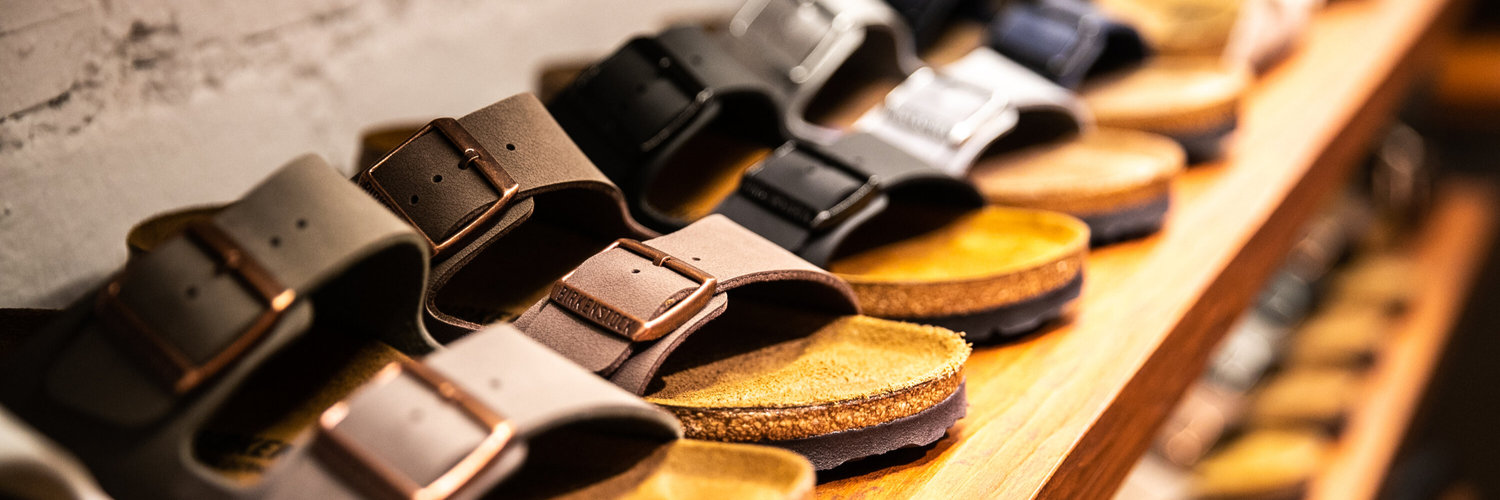
Birkenstock makes footwear built around its molded cork-and-latex footbed, which is the core of its brand and product design. Its lineup includes sandals, clogs, shoes, and some related accessories, sold in a mix of classic and fashion-led styles. The company’s main customers are everyday consumers who want comfort-focused footwear, along with retailers and wholesale partners that carry its products. The business makes money by selling finished footwear through its own stores and websites, through wholesale accounts, and through licensing in some markets. Birkenstock stands out because it is not just a fashion label; it sells a specific comfort platform that has stayed central for decades, and that consistency gives the brand a clear identity in the shoe market. For beginners, the simplest way to think about Birkenstock is as a branded footwear company that earns most of its value from a recognizable product design and a loyal customer base. Its role in the industry is to turn a distinctive comfort concept into shoes that can sell at premium prices across both casual and fashion channels.

Birkenstock makes footwear built around its molded cork-and-latex footbed, which is the core of its brand and product design. Its lineup includes sandals, clogs, shoes, and some related accessories, sold in a mix of classic and fashion-led styles. The company’s main customers are everyday consumers who want comfort-focused footwear, along with retailers and wholesale partners that carry its products.
The business makes money by selling finished footwear through its own stores and websites, through wholesale accounts, and through licensing in some markets. Birkenstock stands out because it is not just a fashion label; it sells a specific comfort platform that has stayed central for decades, and that consistency gives the brand a clear identity in the shoe market.
For beginners, the simplest way to think about Birkenstock is as a branded footwear company that earns most of its value from a recognizable product design and a loyal customer base. Its role in the industry is to turn a distinctive comfort concept into shoes that can sell at premium prices across both casual and fashion channels.
Revenue: Birkenstock reported Q2 revenue of EUR 618 million, up 14% in constant currency and 8% reported, with growth still running within its full-year plan despite FX pressure.
Margins: Adjusted EBITDA margin was 32.1%, down 270 basis points year over year, but management said that excluding FX and tariffs, margin would have improved to 35.4%.
Demand: Management repeatedly said demand remains strong across regions, with full-price sell-through still above 90% and no sign of a slowdown in the second half.
Middle East: The war in the Middle East hit EMEA revenue by about EUR 6 million in Q2, and management now sees roughly EUR 10 million to EUR 12 million of EMEA revenue risk that it expects to offset elsewhere.
Outlook: Birkenstock reaffirmed full-year constant currency revenue growth of 13% to 15%, adjusted EBITDA of at least EUR 700 million, and reported revenue of EUR 2.3 billion to EUR 2.35 billion.
Capital allocation: The company reiterated a planned $200 million share repurchase authorization and said it will consider open-market repurchases as it enters its seasonally stronger cash generation period.
