
Darling Ingredients Inc
F:43D



Decide at what price you'd be comfortable buying and we'll help you stay ready.
|
D
|
Darling Ingredients Inc
F:43D
|
US |
|
H
|
Henkel AG & Co KGaA
SWB:HEN
|
DE |

|
Norsk Hydro ASA
OTC:NHYDY
|
NO |
|
M
|
MGM Resorts International
XBER:MGG
|
US |
|
A
|
Aptiv PLC
XBER:D7A
|
IE |

|
Mincon Group PLC
LSE:MCON
|
IE |
|
A
|
Axon Enterprise Inc
XBER:TCS
|
US |
Darling Ingredients Inc
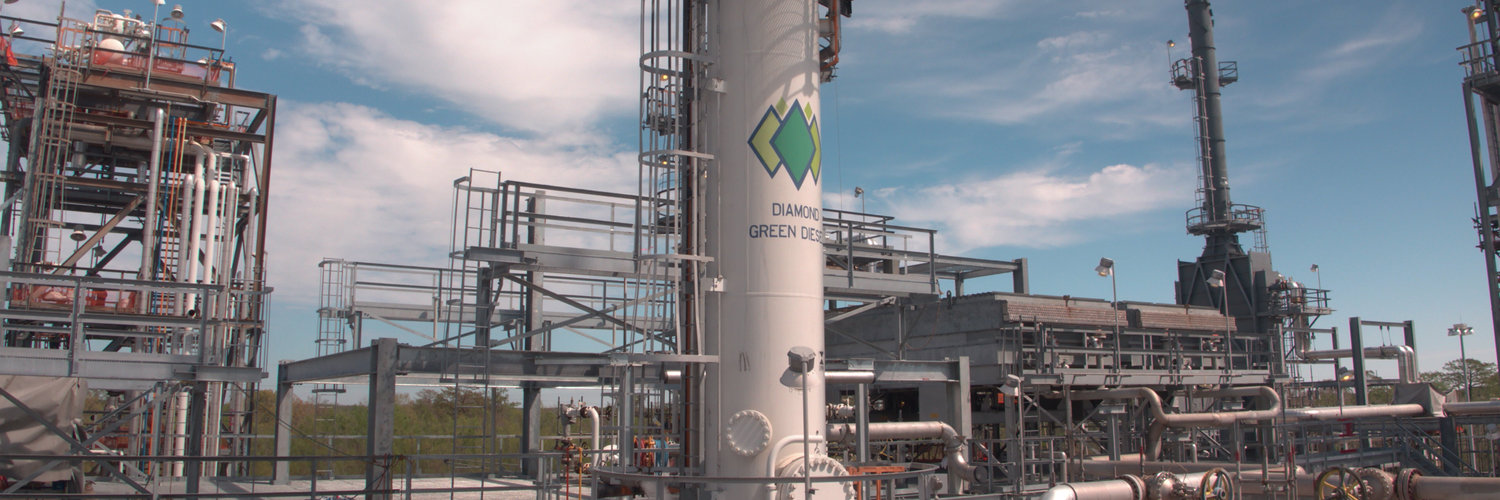
Darling Ingredients collects animal by-products, used cooking oil, and other leftover organic materials that would otherwise be discarded, then turns them into saleable ingredients. Its products include fats and oils for renewable diesel and feed, protein meals for animal nutrition, gelatin and collagen for food and health products, and other specialty ingredients. In simple terms, it sits between slaughterhouses, food makers, and waste streams on one side, and the feed, food, fuel, and industrial markets on the other. The company makes money by processing these raw materials and selling the finished ingredients to large industrial customers. Its main buyers include animal feed producers, food and beverage companies, pet food makers, renewable fuel producers, and manufacturers that use gelatin or collagen in products like capsules, confectionery, and personal care items. A lot of its business comes from taking materials that have little value on their own and converting them into products that are useful in higher-value markets. What makes Darling different is its role as a recycler of the animal and food supply chain. It is not a traditional consumer brand or a single-product manufacturer; it is a processor that extracts value from waste streams and turns them into inputs for many other industries. That gives it a business model tied to supply-chain handling, ingredient quality, and the economics of turning leftover biological material into feed, food, and fuel ingredients.
Darling Ingredients collects animal by-products, used cooking oil, and other leftover organic materials that would otherwise be discarded, then turns them into saleable ingredients. Its products include fats and oils for renewable diesel and feed, protein meals for animal nutrition, gelatin and collagen for food and health products, and other specialty ingredients. In simple terms, it sits between slaughterhouses, food makers, and waste streams on one side, and the feed, food, fuel, and industrial markets on the other.
The company makes money by processing these raw materials and selling the finished ingredients to large industrial customers. Its main buyers include animal feed producers, food and beverage companies, pet food makers, renewable fuel producers, and manufacturers that use gelatin or collagen in products like capsules, confectionery, and personal care items. A lot of its business comes from taking materials that have little value on their own and converting them into products that are useful in higher-value markets.
What makes Darling different is its role as a recycler of the animal and food supply chain. It is not a traditional consumer brand or a single-product manufacturer; it is a processor that extracts value from waste streams and turns them into inputs for many other industries. That gives it a business model tied to supply-chain handling, ingredient quality, and the economics of turning leftover biological material into feed, food, and fuel ingredients.
Strong quarter: Darling reported first-quarter adjusted EBITDA of $406.8 million, up sharply from $196 million a year ago, with strength across core ingredients and Diamond Green Diesel.
Margins improved: Gross margin rose to 26.1% from 22.6% last year, helped by better operations, stronger pricing, and more favorable market conditions.
Feed tailwinds building: Management said higher fat prices, stronger poultry volumes, and improving commercial execution should boost the Feed segment through the rest of 2026.
Fuel inflection: The company said renewables margins have turned a corner after the RVO finalization, and it expects DGD to strengthen further as the year progresses.
Debt focus: Net debt was about $4 billion at quarter-end, and management reiterated its goal of getting debt below $3 billion before considering broader capital allocation options.
Q2 outlook: Darling guided core ingredients EBITDA to $260 million to $275 million for the second quarter and said DGD should be stronger than Q1, with 320 million gallons expected.
Policy upside: Management framed the new RVO, stronger RINs, and possible policy changes on foreign feedstocks as supportive for both its feed and fuel businesses.
