

Abercrombie & Fitch Co
DUS:AFT



Decide at what price you'd be comfortable buying and we'll help you stay ready.
|
A
|
Abercrombie & Fitch Co
DUS:AFT
|
US |
|
I
|
Interpublic Group of Companies Inc
XMUN:IPG
|
US |
|
S
|
Shanghai Pharmaceuticals Holding Co Ltd
SWB:S1R
|
CN |
|
C
|
Cronos Group Inc
DUS:7CI
|
CA |
|
L
|
Lockheed Martin Corp
SWB:LOM
|
US |
|
C
|
Canopy Growth Corp
SWB:11L
|
CA |
|
BYD Co Ltd
SZSE:002594
|
CN |
|
D
|
Dongfang Electric Corp Ltd
SSE:600875
|
CN |
Abercrombie & Fitch Co
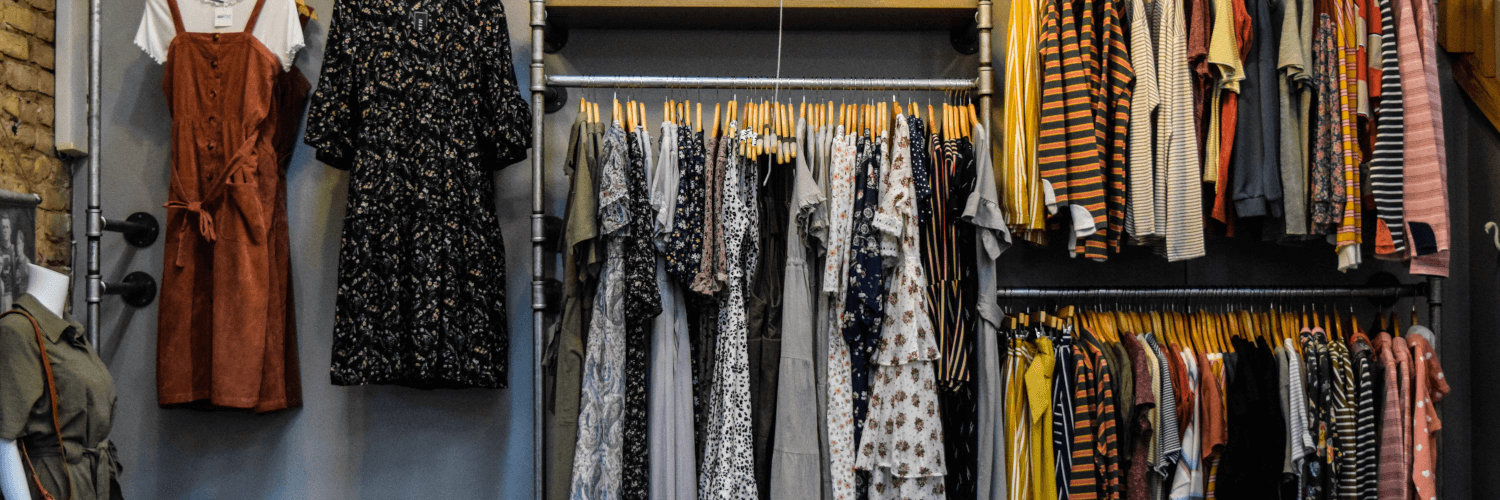
Abercrombie & Fitch Co. is a specialty apparel company that designs, markets, and sells casual clothing and accessories for men, women, and kids. Its main brands are Abercrombie and Hollister, which focus on jeans, tops, outerwear, activewear, sleepwear, and related fashion items. The company sells through its own stores and e-commerce sites, so it controls how its brands are presented and sold to shoppers. Its customers are mainly fashion-conscious teens, young adults, and families looking for branded everyday clothing rather than basic commodity apparel. The company makes money mostly by selling merchandise directly to consumers at full price, with additional sales coming from discounts, promotions, and online orders. Because it owns the brands and the retail channels, it captures more of the retail value chain than a wholesaler would. What makes its business model distinct is the combination of brand-building and direct-to-consumer retail. Abercrombie & Fitch Co. has to keep its styles, store image, and online experience aligned with the tastes of its target shoppers, because its sales depend on brand appeal as much as product quality. That makes it part fashion company, part retailer, with results tied closely to consumer preferences and how well its brands stay relevant.

Abercrombie & Fitch Co. is a specialty apparel company that designs, markets, and sells casual clothing and accessories for men, women, and kids. Its main brands are Abercrombie and Hollister, which focus on jeans, tops, outerwear, activewear, sleepwear, and related fashion items. The company sells through its own stores and e-commerce sites, so it controls how its brands are presented and sold to shoppers.
Its customers are mainly fashion-conscious teens, young adults, and families looking for branded everyday clothing rather than basic commodity apparel. The company makes money mostly by selling merchandise directly to consumers at full price, with additional sales coming from discounts, promotions, and online orders. Because it owns the brands and the retail channels, it captures more of the retail value chain than a wholesaler would.
What makes its business model distinct is the combination of brand-building and direct-to-consumer retail. Abercrombie & Fitch Co. has to keep its styles, store image, and online experience aligned with the tastes of its target shoppers, because its sales depend on brand appeal as much as product quality. That makes it part fashion company, part retailer, with results tied closely to consumer preferences and how well its brands stay relevant.
Top line: Abercrombie & Fitch reported record first-quarter net sales of $1.1 billion, up 2% year over year and in line with expectations, extending its growth streak to 14 straight quarters.
Profit beat: Operating margin was 8%, above the company’s plan, and EPS of $1.47 came in above the expected range.
Regional split: The Americas grew 3% and APAC grew 24%, while EMEA fell 10% as the Middle East conflict and softer parts of Europe weighed on demand.
Guidance held: Management left full-year guidance unchanged for net sales growth, operating margin, and EPS, saying the Q1 outperformance and current headwinds were already reflected.
ERP complete: The merchandising ERP rollout is now complete and normal operations resumed in April, removing a temporary drag that had cut about 100 basis points from growth.
Capital return: The company bought back $105 million of stock in Q1 and still expects about $450 million of share repurchases for 2026.
