
Kraft Heinz Co
BMV:KHC



Decide at what price you'd be comfortable buying and we'll help you stay ready.
|
K
|
Kraft Heinz Co
BMV:KHC
|
US |
Kraft Heinz Co
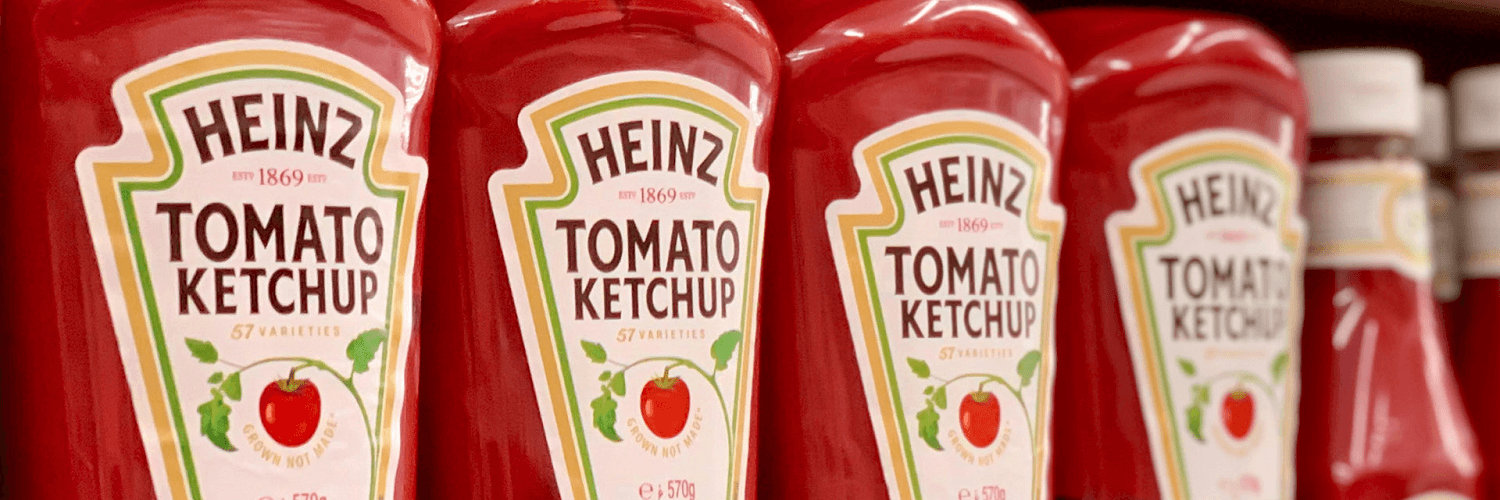
Kraft Heinz makes packaged foods that people buy in grocery stores, clubs, and online. Its lineup includes condiments, sauces, cheese, meals, meats, beverages, and pantry staples sold under brands such as Heinz, Kraft, Oscar Mayer, Philadelphia, and Lunchables. The company sells these products to retailers, wholesalers, foodservice operators, and other distributors that put them in front of everyday consumers. The business makes money by manufacturing branded food products and selling them through a wide retail network. Shoppers usually buy its goods in the center aisles and refrigerated sections of the store, where brand recognition and shelf placement matter a lot. Kraft Heinz depends on steady repeat purchases rather than one-time sales, so its business is tied to everyday eating habits and the strength of its household brands. What sets Kraft Heinz apart is that it is not a restaurant chain or a farm producer; it sits in the middle of the food value chain, turning raw ingredients into packaged, shelf-stable products with long distribution reach. That makes it especially focused on brand management, large-scale food manufacturing, and relationships with major retailers and foodservice buyers.
Kraft Heinz makes packaged foods that people buy in grocery stores, clubs, and online. Its lineup includes condiments, sauces, cheese, meals, meats, beverages, and pantry staples sold under brands such as Heinz, Kraft, Oscar Mayer, Philadelphia, and Lunchables. The company sells these products to retailers, wholesalers, foodservice operators, and other distributors that put them in front of everyday consumers.
The business makes money by manufacturing branded food products and selling them through a wide retail network. Shoppers usually buy its goods in the center aisles and refrigerated sections of the store, where brand recognition and shelf placement matter a lot. Kraft Heinz depends on steady repeat purchases rather than one-time sales, so its business is tied to everyday eating habits and the strength of its household brands.
What sets Kraft Heinz apart is that it is not a restaurant chain or a farm producer; it sits in the middle of the food value chain, turning raw ingredients into packaged, shelf-stable products with long distribution reach. That makes it especially focused on brand management, large-scale food manufacturing, and relationships with major retailers and foodservice buyers.
Quarter mix: Management said first-quarter results were helped by Easter timing and winter storms, but they also pointed to real underlying improvement in share and execution.
Guidance held: The company kept full-year guidance largely unchanged despite a better-than-expected quarter, citing timing benefits in Q1 and caution on the rest of the year.
Inflation watch: Inflation expectations were nudged higher because of energy and resin costs tied to conflict, with some pressure expected to show up in the third quarter.
Investment push: Kraft Heinz is still deploying its $600 million investment program, with marketing, innovation, and brand support concentrated in areas where management sees the best return.
Share gains: Management highlighted improving market share trends across the business, especially in Taste Elevation, Hydration, and parts of Away From Home, while acknowledging softness in some categories and the impact of SNAP.
Portfolio shifts: The company updated its “Hold, Win and Win Big” framework, downgrading frozen, upgrading hydration, and moving cheese higher based on category outlook and brand strength.
