

Coles Group Ltd
ASX:COL



Decide at what price you'd be comfortable buying and we'll help you stay ready.

|
Coles Group Ltd
ASX:COL
|
AU |

|
FibroGen Inc
NASDAQ:FGEN
|
US |

|
Banca Popolare Di Sondrio SpA
F:593
|
IT |
|
C
|
Compania Sud Americana de Vapores SA
SGO:VAPORES
|
CL |

|
LyondellBasell Industries NV
NYSE:LYB
|
UK |
|
A
|
Asahi Intecc Co Ltd
TSE:7747
|
JP |

|
Cheniere Energy Partners LP
NYSE:CQP
|
US |

|
LENSAR Inc
NASDAQ:LNSR
|
US |

|
ON Semiconductor Corp
NASDAQ:ON
|
US |

|
Swiss Re AG
SIX:SREN
|
CH |

|
New Jersey Resources Corp
NYSE:NJR
|
US |
Coles Group Ltd
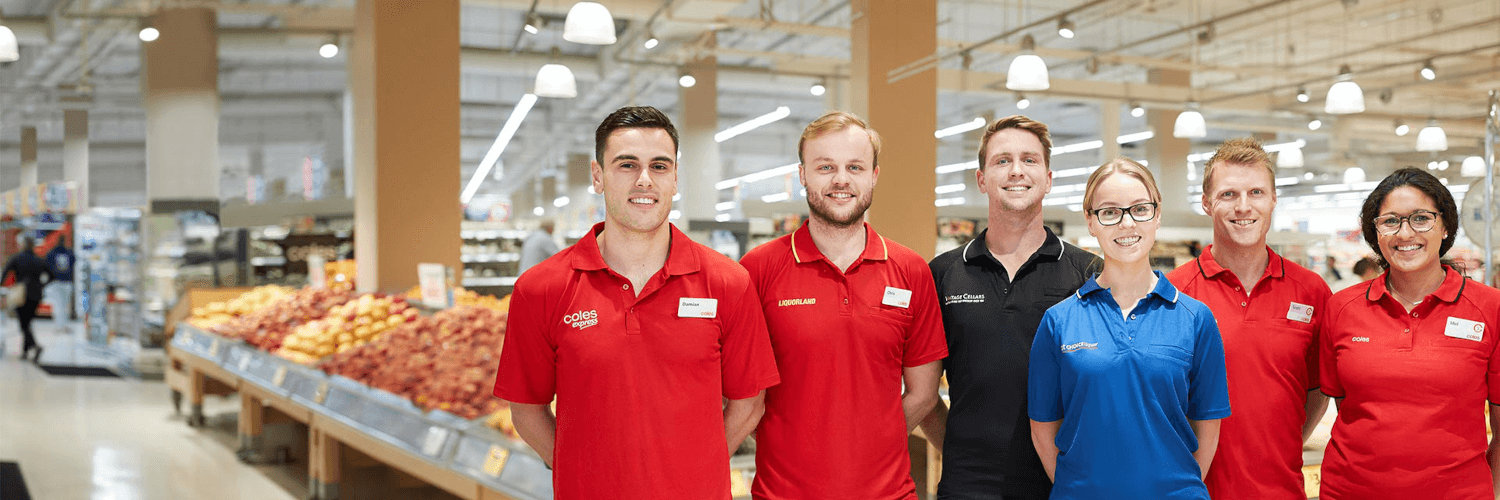
Coles Group is one of Australia’s main food and everyday-goods retailers. It sells groceries, fresh produce, meat, dairy, household products, and other essentials through its supermarket stores and online channels. It also runs liquor retailing and some convenience-format stores, so it reaches shoppers across both weekly grocery trips and smaller fill-in purchases. The company makes money mainly by buying products from suppliers and reselling them to households at a markup. Its customers are everyday consumers, with some business and hospitality buyers also using its wholesale and supply arrangements. Coles depends on high-volume, repeat purchases, which makes it a steady consumer business tied to food spending and household needs. What makes Coles important in the retail chain is that it sits very close to the end customer. It does not manufacture most of what it sells; instead, it curates shelves, manages sourcing, pricing, and distribution, and uses its store network and online ordering to move products efficiently. That gives it a central role in getting packaged food and household brands from suppliers to Australian shoppers.
Coles Group is one of Australia’s main food and everyday-goods retailers. It sells groceries, fresh produce, meat, dairy, household products, and other essentials through its supermarket stores and online channels. It also runs liquor retailing and some convenience-format stores, so it reaches shoppers across both weekly grocery trips and smaller fill-in purchases.
The company makes money mainly by buying products from suppliers and reselling them to households at a markup. Its customers are everyday consumers, with some business and hospitality buyers also using its wholesale and supply arrangements. Coles depends on high-volume, repeat purchases, which makes it a steady consumer business tied to food spending and household needs.
What makes Coles important in the retail chain is that it sits very close to the end customer. It does not manufacture most of what it sells; instead, it curates shelves, manages sourcing, pricing, and distribution, and uses its store network and online ordering to move products efficiently. That gives it a central role in getting packaged food and household brands from suppliers to Australian shoppers.
Strong Results: Coles reported group sales of $23.6 billion, up 2.5%, and EBIT up 10.2%.
Supermarkets Momentum: Supermarkets EBIT grew by 14.6%, with sales ex-tobacco up 6.1% and EBIT margin expanding by 55 bps.
E-Commerce Growth: Online supermarket sales rose 27%, with e-commerce penetration exceeding 13%.
Cost Savings: The company achieved $133 million in cost savings this half through its Simplify and Save to Invest (SSI) program.
Dividend Uplift: Declared an interim dividend of $0.41 per share, up 10.8%.
Liquor Challenges: Liquor sales declined 3.2%, with ongoing competitive pressures, but convenience-format stores showed positive growth.
Positive Start to Q3: In the first 7 weeks of Q3, supermarket revenue increased by 3.7% (5.3% ex-tobacco), above market growth.
