
AeroVironment Inc
LSE:0HAL



Legen Sie fest, zu welchem Kurs Sie kaufen würden. Wir helfen Ihnen, bereit zu bleiben.

|
AeroVironment Inc
LSE:0HAL
|
US |
|
L
|
Lennar Corp
DUS:LNN
|
US |

|
Nike Inc
F:NKE
|
US |

|
Spruce Biosciences Inc
OTC:SPRB
|
US |
|
U
|
US Bancorp
XETRA:UB5
|
US |
|
C
|
Ceconomy AG
OTC:MTAGF
|
DE |

|
Essity AB (publ)
STO:ESSITY B
|
SE |

|
Steel Dynamics Inc
NASDAQ:STLD
|
US |

|
Hoya Corp
F:HYB
|
JP |
AeroVironment Inc
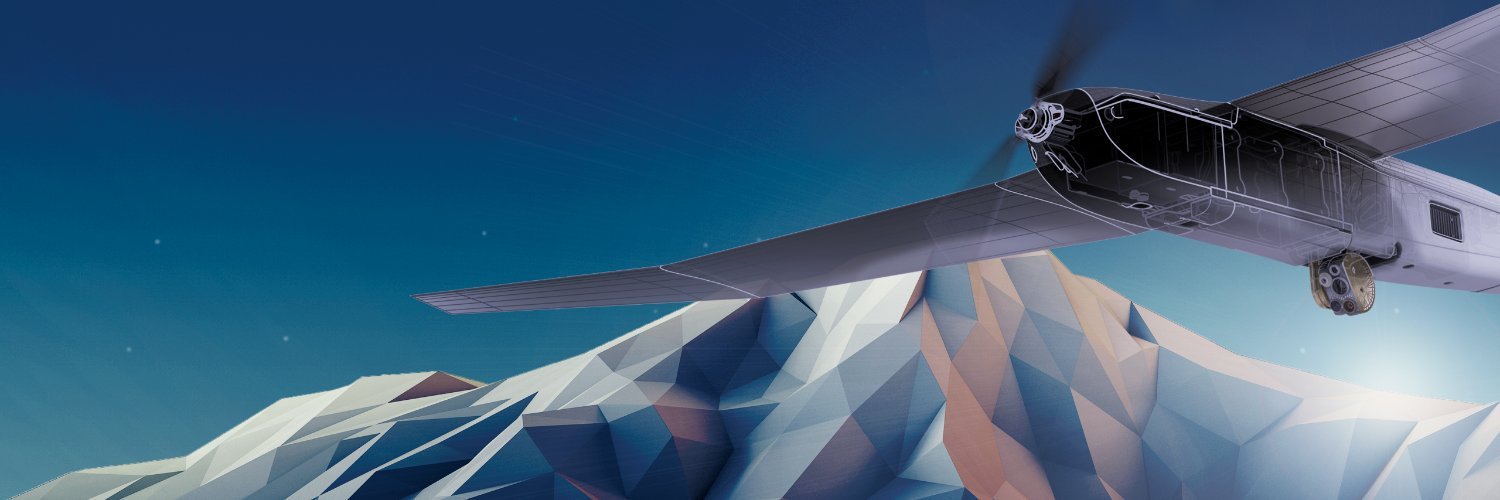
AeroVironment designs and builds small unmanned aircraft systems, loitering munitions, and other robotic systems for military and government customers. Its best-known products are hand-launched drones and one-way attack systems used for reconnaissance, targeting, and short-range strike missions. The company also sells related software, training, spare parts, and support services. Its customers are mainly defense agencies, armed forces, and allied governments that need compact systems for battlefield intelligence and tactical operations. AeroVironment makes money by selling hardware, winning defense contracts, and providing follow-on support, upgrades, and sustainment for the systems it places in service. That gives it a mix of one-time product sales and longer-lived service revenue. What makes AeroVironment different is its focus on small, portable unmanned systems rather than large aircraft or traditional weapons. It sits in a narrow part of the defense supply chain where speed, precision, and ease of use matter more than scale. That makes the business closely tied to military procurement, but also hard to replace once its systems are adopted by a customer.
AeroVironment designs and builds small unmanned aircraft systems, loitering munitions, and other robotic systems for military and government customers. Its best-known products are hand-launched drones and one-way attack systems used for reconnaissance, targeting, and short-range strike missions. The company also sells related software, training, spare parts, and support services.
Its customers are mainly defense agencies, armed forces, and allied governments that need compact systems for battlefield intelligence and tactical operations. AeroVironment makes money by selling hardware, winning defense contracts, and providing follow-on support, upgrades, and sustainment for the systems it places in service. That gives it a mix of one-time product sales and longer-lived service revenue.
What makes AeroVironment different is its focus on small, portable unmanned systems rather than large aircraft or traditional weapons. It sits in a narrow part of the defense supply chain where speed, precision, and ease of use matter more than scale. That makes the business closely tied to military procurement, but also hard to replace once its systems are adopted by a customer.
Revenue: Q3 revenue was $408.0 million (up 143% year‑over‑year as reported; 6% pro forma), but management said results missed expectations due to timing shifts and a stop‑work order.
Backlog: Funded backlog grew to $1.1 billion and year‑to‑date awards total $4.6 billion, positioning the company for a record Q4.
Guidance: Fiscal 2026 revenue guidance was revised to $1.85–$1.95 billion and adjusted EBITDA to $265–$285 million (guidance lowered vs. prior expectations).
SCAR/Badger: Space Force terminated the SCAR contract for convenience after negotiations failed; AV took a $151.0 million goodwill impairment and will commercialize the phased‑array Badger solution and may recompete.
Product demand: Strong demand for Switchblade family, JUMP 20, Puma, P550 and Titan counter‑UAS; AV is scaling manufacturing (new 140,000 sq ft Salt Lake City plant with ~$2 billion annual potential).
Margins & profitability: Q3 adjusted gross margin was 27%; adjusted EBITDA was $44.0 million (11% margin). Management expects Q4 adjusted gross margins to improve to the low‑mid 30s and full year adjusted gross margins in the high‑20s to low‑30s.
Directed energy & counter‑UAS: Locust laser and Titan RF family highlighted as high‑growth, near‑term commercializable offerings—management sees acceleration from recent geopolitical events.
Leadership: CFO Kevin McDonnell will retire at end of July; he reiterated confidence in the BlueHalo acquisition and the company’s long‑term growth trajectory.
